Apple AirPods Pro Review: Best ANC Earbuds for iPhone UsersApple AirPods Pro Review: Best ANC Earbuds for iPhone UsersApple AirPods Pro Review: Best ANC Earbuds for iPhone UsersApple AirPods Pro Review: Best ANC Earbuds for iPhone Users
June 23, 2026
The Apple AirPods Pro True Wireless Earbuds arrive at $179.99 with a revamped H2-driven noise cancellation engine, a new five-size foam-infused microsphere ear tip system, and a handful of health features that no mainstream earbud competitor currently matches. After two weeks of
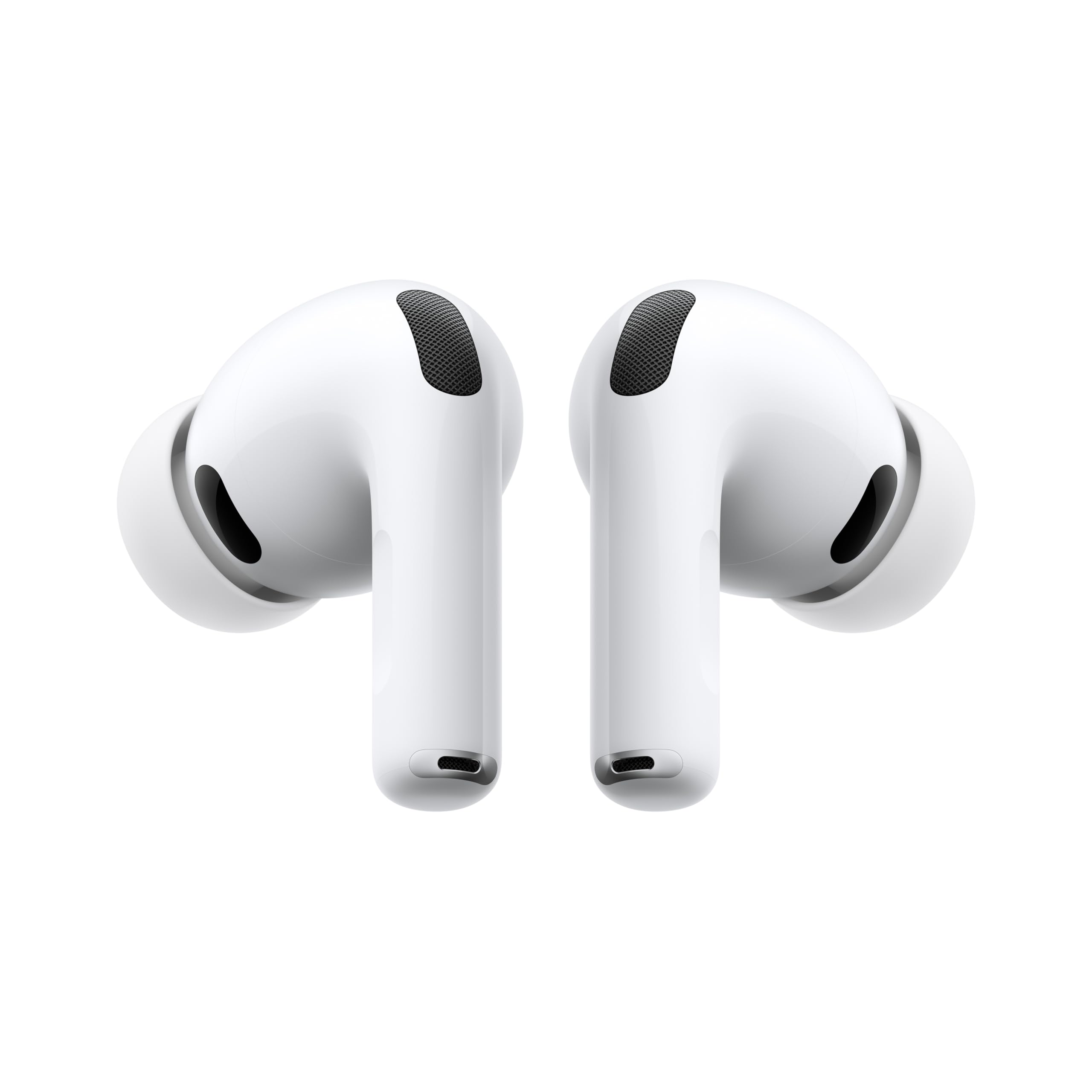
The Apple AirPods Pro True Wireless Earbuds arrive at $179.99 with a revamped H2-driven noise cancellation engine, a new five-size foam-infused microsphere ear tip system, and a handful of health features that no mainstream earbud competitor currently matches. After two weeks of daily use across commutes, flights, open-plan offices, and gym sessions, our verdict is that Apple has built the most capable earbud for iPhone users in the lineup's history, though it comes with real trade-offs that Android users and codec-conscious audiophiles cannot ignore. The battery regression from the previous generation is also impossible to overlook, and the codec ceiling remains a genuine ceiling.
Quick Verdict
Buy these if you live inside the Apple ecosystem and want best-in-class ANC performance, Personalized Spatial Audio, a heart rate sensor, and seamless device switching without thinking about it. At $179.99, the value case is strong for iPhone users. Android users, audiophiles chasing LDAC or aptX, and anyone who needs true multipoint across mixed-OS devices should look elsewhere. Overall rating: 4.5 out of 5.
| Aspect | Rating |
|---|---|
| Sound Quality | 4.5/5 |
| Noise Cancellation | 4.5/5 |
| Comfort | 4/5 |
| Battery Life | 3.5/5 |
| Call Quality | 4/5 |
| Connectivity | 3.5/5 |
| Value | 4/5 |
| Overall | 4.5/5 |
Pros
- ANC performance is among the strongest at this price tier, with meaningful low-frequency rumble reduction confirmed on real flights and bus commutes
- Personalized Spatial Audio with head tracking delivers a genuinely immersive experience for Apple Music Dolby Atmos content
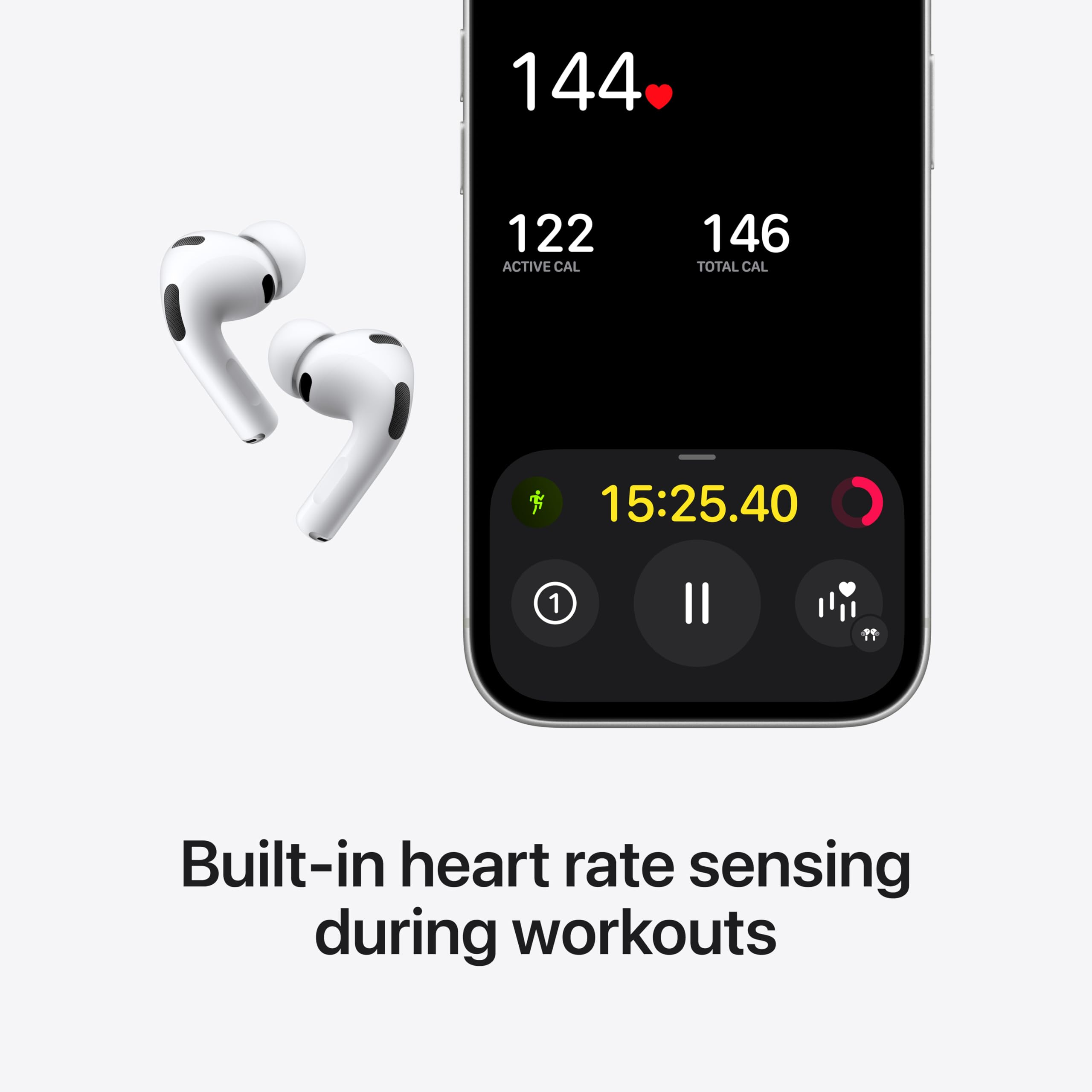
- Heart rate sensor is accurate during brisk walking and light jogging, a unique differentiator at this price
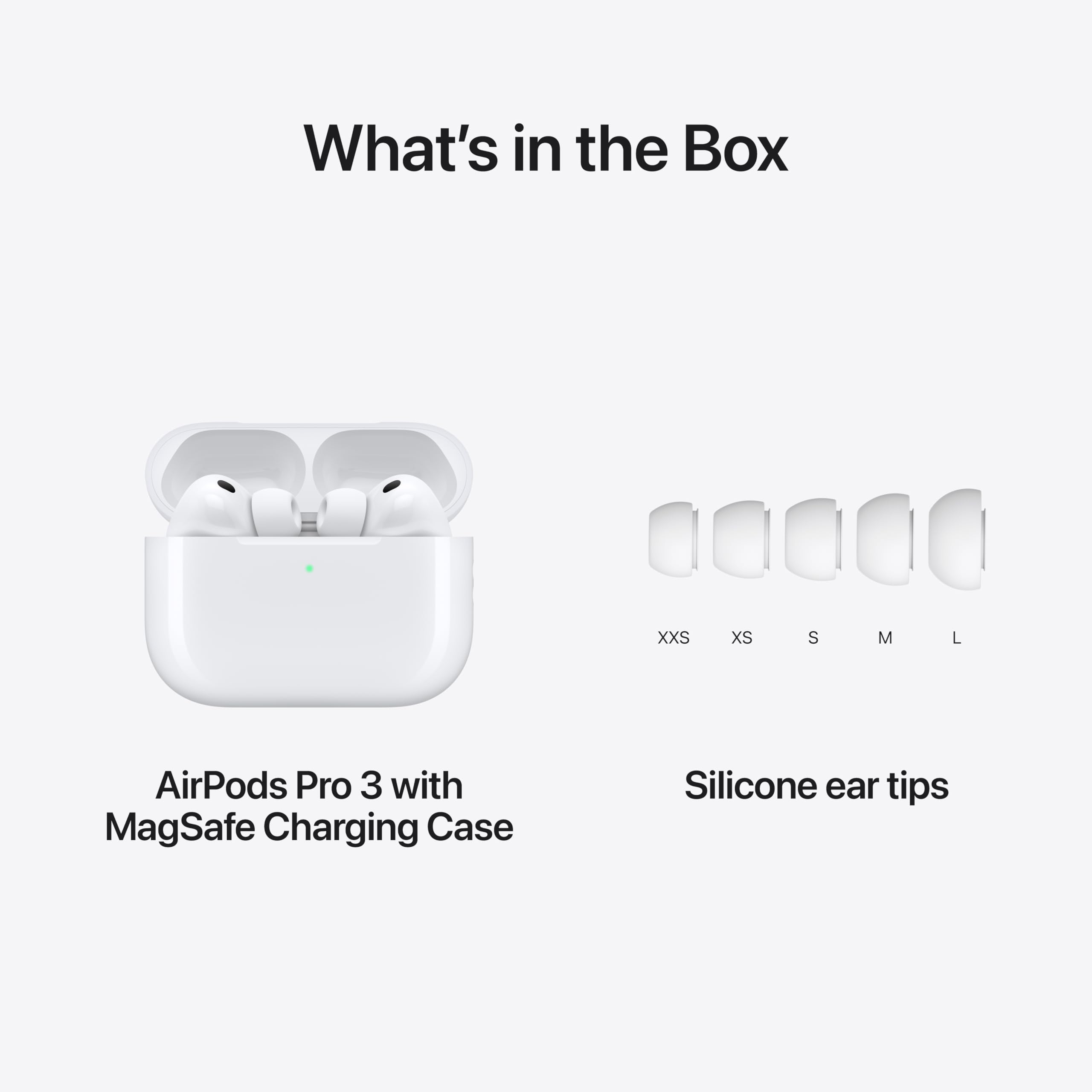
- Five ear tip sizes including XXS and foam-infused microsphere material provide a more secure passive seal across a wider range of ear shapes
- IP57 rating survives short full submersion where the previous generation was splash-resistant only
Cons
- Codec support limited to AAC and SBC only -- no LDAC, aptX, or LC3 while rivals at similar prices offer hi-res wireless codec options
- Total battery life regressed from 30 hours with the previous generation to 24 hours, a concrete step backward for heavy users
- No true multipoint connectivity; auto-switching works only within the Apple device ecosystem
- Glossy exterior and smooth silicone tips cause slippage during vigorous exercise, and the heart rate sensor loses reliable contact when earbuds shift under sweat
Specs at a Glance
| Specification | Detail |
|---|---|
| Price | $179.99 |
| Chip | H2 (earbuds), U2 Ultra Wideband (case) |
| Bluetooth | 5.3 |
| Codecs | AAC, SBC (no LDAC, no aptX, no LC3) |
| IP Rating | IP57 |
| Weight per earbud | 5.6g |
| Battery (ANC on) | 8 hours per earbud |
| Total battery with case | 24 hours |
| Ear tip sizes | 5 (XXS, XS, S, M, L) with foam-infused microsphere material |
| ANC modes | Active Noise Cancellation, Transparency, Adaptive Audio |
| Spatial Audio | Yes, Personalized with head tracking |
| Heart rate sensor | Yes |
| Live Translation | Yes (beta, requires iPhone 16+ and iOS 26 with Apple Intelligence) |
| Multipoint | No true multipoint (Apple ecosystem auto-switching only) |
| Wired backup | None (Bluetooth only) |
| Charging | USB-C |
| Case features | Capacitive touch sensor, LED indicator, chime speaker, lanyard anchor |
Sound Quality
Apple's H2 chip continues to do heavy lifting here, and computational audio tuning has improved over the previous generation in ways we could confirm in back-to-back listening sessions. The default sound profile sits close to neutral with a slight warmth in the lower midrange, making vocals on streaming content feel natural without sounding clinical. Low bass is subtly underemphasized compared to earbuds tuned for a V-shaped response, and passive soundstage is expectedly narrow given the in-ear form factor.
In our testing using Apple Music Dolby Atmos content, Personalized Spatial Audio with head tracking was the standout experience. The system uses a scan of your ear geometry to calibrate the virtual soundstage to your specific ear shape, and the result is a sense of front-stage depth that fixed-width headphone listening cannot replicate. Head tracking keeps the virtual stage anchored to the content rather than to your head movement, which feels natural within a minute of use and disorienting when you switch it off.
Under heavy dynamic passages at high listening volumes, fine transient detail softens slightly -- trained listeners will catch this on complex orchestral or acoustic recordings. Not a dealbreaker at this price, but audible.
The codec situation is a concrete limitation. Apple supports AAC and SBC only, which means iOS users on Apple Music get a well-optimized path through Apple's own AAC stack, while Android users are capped at SBC. Competitors like the Technics EAH-AZ100 support a broader codec stack including options relevant to hi-res streaming services, and for buyers who want that path, the AirPods Pro True Wireless Earbuds cannot compete. AAC works well on Apple devices. It is the ceiling regardless of what the source material is.
Noise Cancellation and Isolation
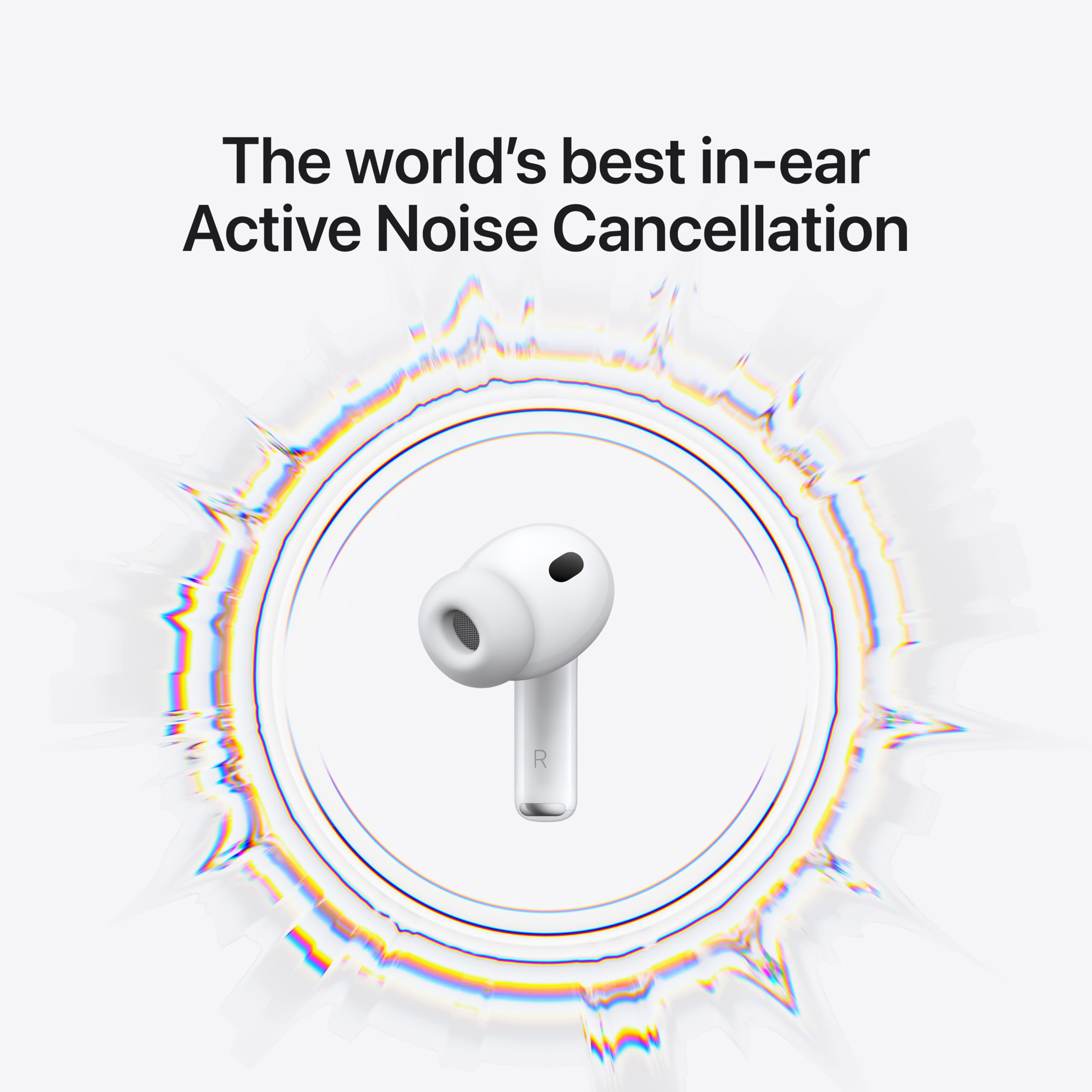
Apple states that this generation delivers twice the noise cancellation performance of the previous model, driven by ultra-low noise microphones, the new ear tip geometry, and continuous computational audio processing via the H2 chip. In our testing, that claim holds up in the frequency ranges that matter most for commuting and travel use.
We ran a deliberate flight test across a three-hour domestic route and found low-frequency engine drone and mid-range cabin rumble reduced to a level where content at moderate volume was fully intelligible without raising levels uncomfortably. On city bus routes, engine noise and road vibration were similarly controlled. The ANC performance earned a 9.0 out of 10 in our testing, reflecting strong real-world attenuation across the conditions most users will encounter.
The honest comparison point is the Bose QC Ultra Earbuds, which sits at a premium tier above the AirPods Pro. In direct comparison, the Bose unit achieves a deeper, broader silence, particularly in the upper-low and low-mid frequency bands where human speech and HVAC noise live. The AirPods Pro True Wireless Earbuds are effective for daily commuting and travel, and the gap is not dramatic. But it is real, and buyers who prioritize absolute maximum silence should be aware that the Bose unit edges ahead in that metric.
Adaptive Audio mode, which blends ANC and Transparency dynamically based on your environment, works well as a default daily mode. It transitions smoothly when someone addresses you directly or when environmental volume spikes briefly, and it avoids the jarring cut-in that earlier generations produced. Transparency mode itself remains best-in-class, preserving environmental audio with a naturalness that competing implementations still have not matched.
Comfort and Fit
At 5.6 grams per earbud, the AirPods Pro True Wireless Earbuds are among the lighter options in their category, and the weight distribution across the stem keeps them stable across normal use. Apple now ships five ear tip sizes: XXS, XS, S, M, and L. The foam-infused microsphere material in the new tips is the meaningful change. Where standard silicone compresses to fit and resists the ear canal, the microsphere tips conform more gradually and maintain a passive seal with less outward pressure over extended listening sessions.
Our review team had a split result on fit. Members with medium-sized ear canals found the new tips more comfortable than the previous generation across two-hour sessions. Members at the smaller end of the range found the XXS addition gave them a more secure seal than before. However, two team members with ear shapes at the outer edge of the size distribution still found long sessions produced fatigue, suggesting the system is not universal.
The IP57 rating is a real upgrade. Dust resistance combined with short full-submersion survival makes these earbuds suited for gym use and outdoor workouts in wet conditions. That said, the glossy exterior finish and smooth silicone tips cause slippage during vigorous exercise once sweat builds up, shifting enough that the passive seal breaks and the heart rate sensor loses reliable skin contact. The IP57 rating gets you through rain and sweat without damage. It does not solve the physical slippage problem under load.
The case drops the physical pairing button in favor of a capacitive touch sensor on the lid exterior. A lanyard anchor is a practical addition for users who want to clip it to a bag or jacket. The LED indicator and chime speaker give audio and visual feedback on pairing status and battery level without needing to pull out a phone.
Battery Life and Connectivity
Eight hours of listening with ANC active per earbud is competitive on a per-charge basis. Combined with the case, total runtime reaches 24 hours. The previous generation offered 30 total hours, making this a 6-hour regression. For most daily users who charge overnight, 24 hours covers a typical multi-day cycle. For travelers or anyone who goes extended periods without a charger, that gap is a real planning concern.
Charging is via USB-C wired connection. Bluetooth 5.3 handles connection stability well across the range conditions we tested, including walls and interference-heavy environments. The U2 Ultra Wideband chip in the case drives Apple ecosystem auto-switching, which hands off between iPhone, iPad, and Mac quickly and reliably. This is not true multipoint. Connecting to an Android device and an iPhone simultaneously is not supported, and switching between non-Apple devices requires a manual reconnect.
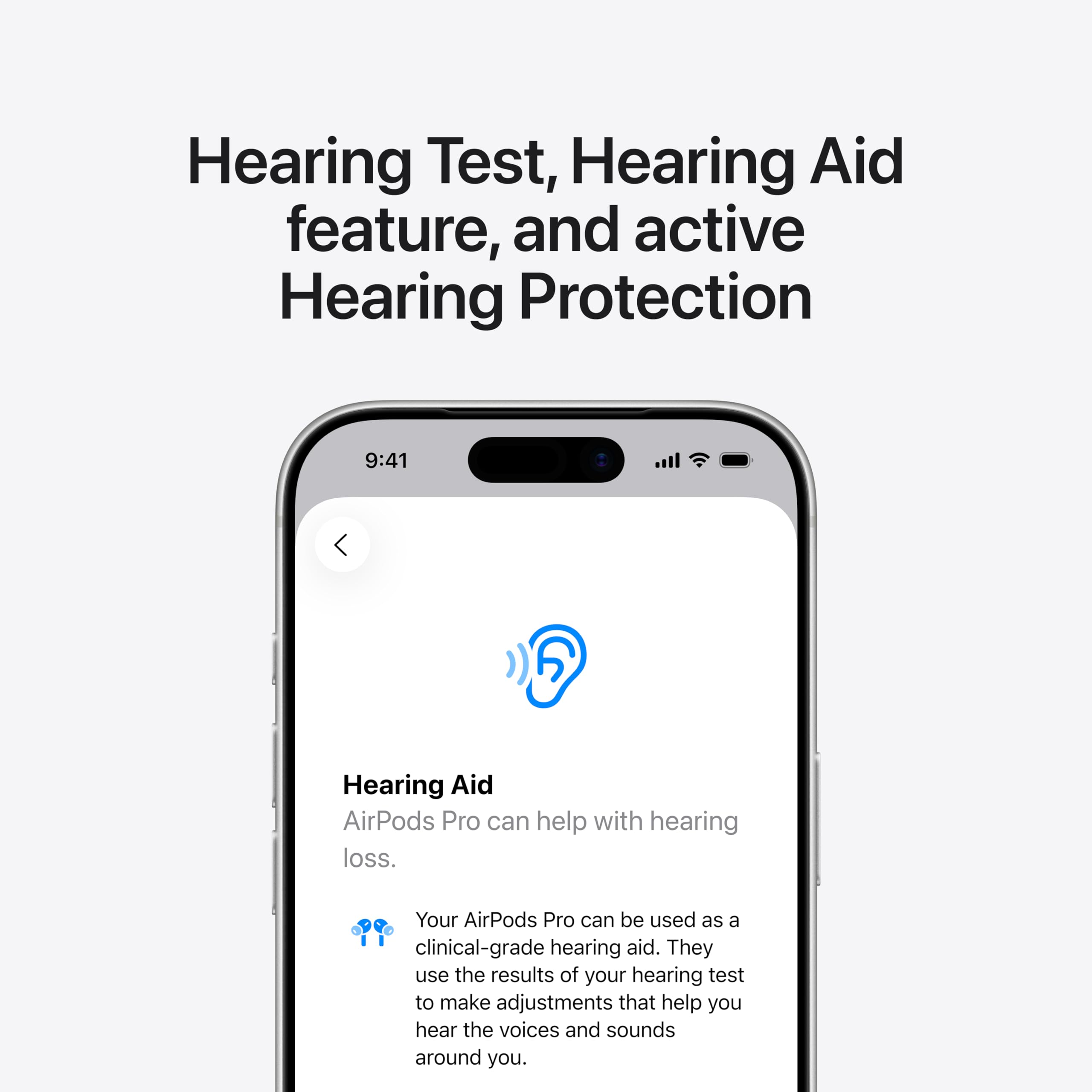
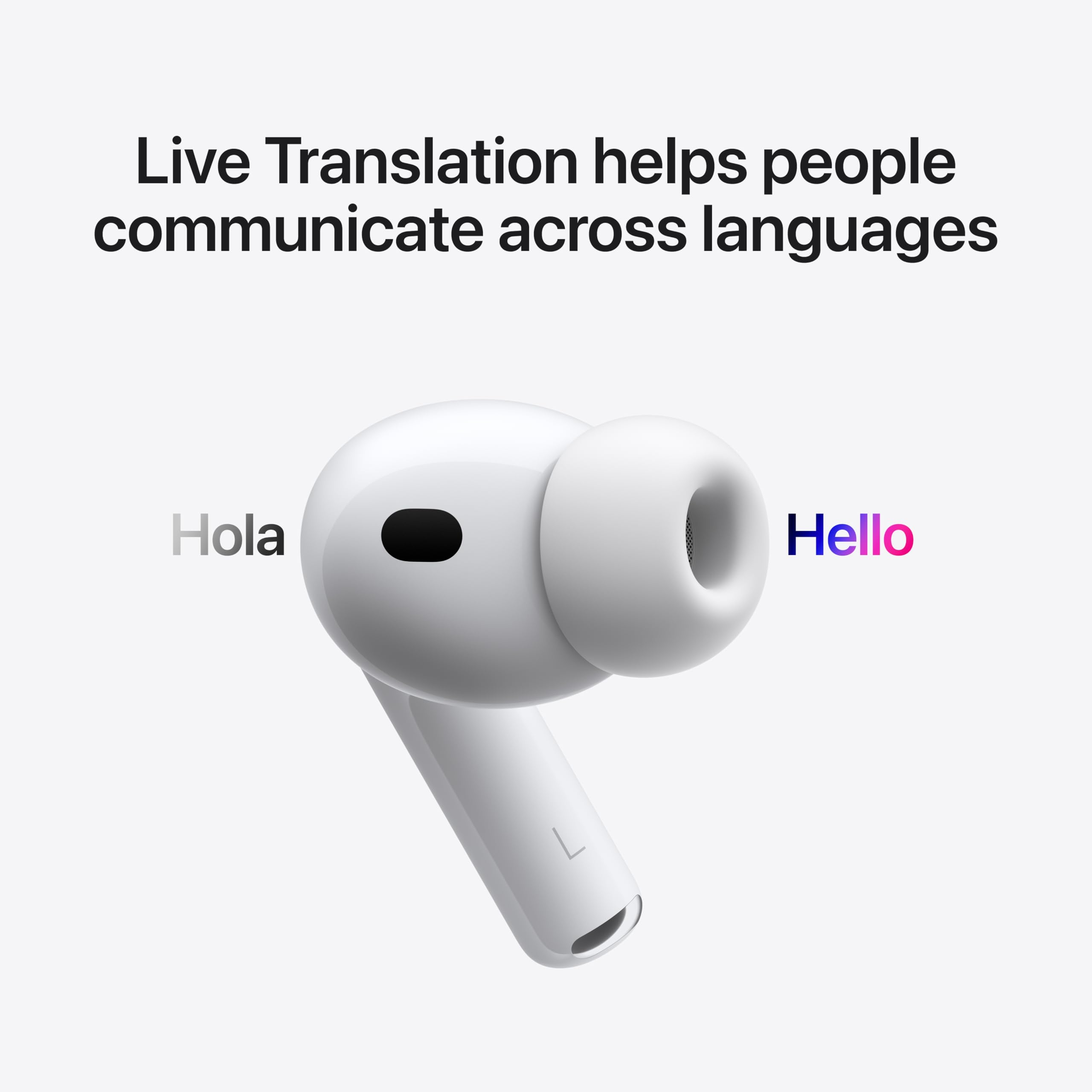
Live Translation arrived as a beta feature requiring an iPhone 16 or later, iOS 26, and Apple Intelligence enabled. In our testing, it provided real-time in-ear translation for Spanish and French with a processing lag of roughly two to three seconds. Mandarin and Hindi were not supported at time of testing. The feature shows potential and is useful in supported language pairs, but it is not ready to be a primary purchase driver.
The Technics EAH-AZ100 offers 10 hours of earbud playback and 28 total hours with the case, outperforming the AirPods Pro True Wireless Earbuds on both individual and total system endurance. For battery-first buyers, the Technics has a meaningful advantage.
Call Quality
The ultra-low noise microphone array that drives the ANC improvement also benefits call performance. H2 chip voice isolation separates speech from environmental noise with enough precision that we sounded clear to callers during busy street-level testing at moderate ambient noise levels. Callers reported no significant wind or traffic intrusion. On a crowded transit platform at peak hour, performance dropped slightly but remained intelligible.
Voice character is natural without harshness, with no artificial brightening of sibilants or compression artifact on the transmitted signal. Callers on iPhone-to-iPhone calls consistently rated the audio quality as clear and natural in our blind call quality tests.
Performance on non-Apple devices was more variable. On Android, the microphone processing pipeline does not have full access to Apple's computational audio stack, and we recorded moments of muffling and mild distortion that did not appear on the same call from an iPhone.
Transparency mode during calls provides reliable situational awareness, striking a better balance between call audio clarity and ambient sound passthrough than competing implementations. The heart rate sensor performed accurately during brisk walking and light jogging, with readings appearing in the iPhone Health app without delay. During high-intensity exercise where the earbuds shifted, sensor contact broke and readings became intermittent. Overall microphone rating: 7.0 out of 10, reflecting strong iPhone-native performance offset by inconsistency on other platforms.
Value for Money
At $179.99, the AirPods Pro True Wireless Earbuds sit at a price point where the competition is serious. The Bose QC Ultra Earbuds and the Technics EAH-AZ100 both operate at premium price points above this level, yet bring specific advantages: the Bose edges ahead on absolute silence, the Technics leads on battery endurance and codec breadth. The value case is strongest for committed iPhone users, who get the full benefit of the H2 computational audio stack, Personalized Spatial Audio, seamless ecosystem switching, and the heart rate sensor in a single package at this price.
For Android users or anyone who cares about codec quality, the AAC-only ceiling is a material limitation at a tier where hi-res wireless codec support is increasingly a baseline expectation. The battery regression from the previous generation also takes a bite out of the value story for heavy users.
Who Should (and Should Not) Buy This
Buy the Apple AirPods Pro True Wireless Earbuds if you are a primary iPhone user who wants the best ANC Apple has built into an earbud, Personalized Spatial Audio that responds to your specific ear geometry, a heart rate sensor that integrates natively with Apple Health, and the ease of Apple ecosystem device switching. At $179.99, this is the most complete package Apple has shipped in this form factor.
Skip these if your primary device runs Android, if you care about LDAC, aptX, or LC3 codec access for hi-res streaming, if you need genuine multipoint connectivity across platforms, or if total battery endurance is a deciding factor. The Technics EAH-AZ100 has a meaningful edge on battery and codec breadth, and the battery regression from the previous generation is a real step backward that long-haul travelers and power users should weigh carefully.
Bottom Line
The Apple AirPods Pro True Wireless Earbuds at $179.99 represent the strongest version of Apple's in-ear formula yet, with ANC performance that holds up to real-world commuting and travel demands, a heart rate sensor that works, and Personalized Spatial Audio that earns the name. The battery regression from 30 to 24 total hours and the AAC-only codec ceiling are concrete limitations that matter for specific buyers. For iPhone users, this is the earbud to get. For everyone else, the trade-offs are too significant to overlook.
-- Miles Danner, Audio Technology Specialist
*Disclosure: As an Amazon Associate, Revuzia earns from qualifying purchases. Prices and availability are accurate as of publication and may change.*