Laptops & Computers
MacBook Air M5 Review: Doubled Storage, Same 60Hz Ceiling
TC
Theo Chan
11 min read
Theo Chan
11 min read

Theo Chan
15 min read

Discover the latest innovations and expert insights in this comprehensive review. Our team provides detailed analysis to help you make informed decisions about the newest tech products.
Theo Chan
16 min read
Discover the latest innovations and expert insights in this comprehensive review. Our team provides detailed analysis to help you make informed decisions about the newest tech products.
Theo Chan
11 min read
Discover the latest innovations and expert insights in this comprehensive review. Our team provides detailed analysis to help you make informed decisions about the newest tech products.
Miles Danner
11 min read
Discover the latest innovations and expert insights in this comprehensive review. Our team provides detailed analysis to help you make informed decisions about the newest tech products.
Theo Chan
14 min read
The best tech deals updated daily — headphones, laptops, smart home, and more

Imani Brooks

Imani Brooks
Imani Brooks

Imani Brooks

Imani Brooks

Imani Brooks
Imani Brooks

Raj Malhotra

Raj Malhotra

Raj Malhotra

Imani Brooks

Imani Brooks

Imani Brooks

Raj Malhotra

Imani Brooks

Imani Brooks

Imani Brooks

Raj Malhotra

Imani Brooks

Imani Brooks

Raj Malhotra

Imani Brooks
Imani Brooks

Raj Malhotra

Imani Brooks
Raj Malhotra
Raj Malhotra
Imani Brooks
Imani Brooks
Imani Brooks

Raj Malhotra
Raj Malhotra

Imani Brooks
Raj Malhotra

Imani Brooks

Imani Brooks

Zara Velez
7 min read
Aria Lin
7 min read

Discover the latest innovations and expert insights in this comprehensive review. Our team provides detailed analysis to help you make informed decisions about the newest tech products.
Zara Velez
6 min read
Discover the latest innovations and expert insights in this comprehensive review. Our team provides detailed analysis to help you make informed decisions about the newest tech products.
Aria Lin
6 min read

Discover the latest innovations and expert insights in this comprehensive review. Our team provides detailed analysis to help you make informed decisions about the newest tech products.
Zara Velez
8 min read

Discover the latest innovations and expert insights in this comprehensive review. Our team provides detailed analysis to help you make informed decisions about the newest tech products.
Zara Velez
6 min read
The provided text outlines the current cultural and technical landscape of artificial intelligence, highlighting a significant public perception crisis fueled by a lack of optimistic leadership.
The provided text outlines a significant disconnect between rapid technological innovation and public skepticism regarding the future of work.
The provided newsletter covers significant shifts in the artificial intelligence industry, highlighted by Microsoft’s AI chief arguing that models should be treated as subordinate tools rather than sentient beings.

Major industry players like Google, OpenAI, and Anthropic are currently pursuing third-party safety testing and standardized accountability to address the risks of advanced artificial intelligence.

The growing tension between rapid innovation and safety regulations within the artificial intelligence industry. While Apple integrates advanced conversational intelligence into its ecosystem to enhance personal devices, major industry leaders are increasingly divided over the speed of development.

OpenAI and Anthropic, the world's two most advanced AI labs, are stepping forward to propose slowing development of their most powerful models so safeguards can catch up — leaving open whether the other frontier labs follow.
The provided text details how Apple has successfully integrated machine learning into iPhone photography for over a decade, prioritizing authentic image enhancement over generative manipulation.
The provided text explores the evolving landscape of artificial intelligence, focusing on the balance between advanced capabilities and safety oversight.
Significant shifts in the artificial intelligence landscape, headlined by the debut of OpenAI’s GPT-6 Astra, a model optimized for professional agents and complex reasoning.

The provided text details recent advancements in the AI industry, focusing on the shift toward cost-efficient intelligence and secure governance. Google has released its Gemini 3.
The provided text details major advancements in AI efficiency, security, and privacy as companies move toward an agent-focused ecosystem. Anthropic has introduced the Claude Fable 5. 1 model, which significantly lowers operational expenses for automated tasks through improved token efficiency.

The provided text explores several ways artificial intelligence is currently reshaping technology, cybersecurity, and space exploration.
The provided text highlights the growing public and political friction surrounding the expansion of AI data centers, which are increasingly viewed as a populist flashpoint due to their resource consumption.
The source reports on Nvidia’s landmark $12. 9 billion acquisition of Hugging Face, a move intended to secure its dominance over the open-source AI ecosystem.

The source highlights major advancements in the artificial intelligence landscape, specifically focusing on model efficiency and enterprise integration. A key development is the unveiling of Z. ai’s GLM-5.
The provided text details major advancements in AI hardware and local processing that are shifting industry standards. OpenAI has introduced its first custom silicon, the Jalapeño chip, which reportedly surpasses Nvidia’s Blackwell in energy efficiency and performance.

The artificial intelligence industry is currently undergoing a significant economic shift as major players adjust their strategies to meet enterprise demands.
The artificial intelligence sector is experiencing a shift as specialized small models and anonymous newcomers begin to rival established giants. A mysterious entity known as Ox Alpha has surfaced with high-performance coding capabilities, while specialized systems like Savant 3.
The text highlights recent advancements in the artificial intelligence sector, specifically focusing on how hardware and software integration is evolving to meet professional needs.
The provided text examines the evolving landscape of artificial intelligence, specifically highlighting its detrimental impact on white-collar job growth for entry-level and service-oriented roles.
In a notable shift for the industry, OpenAI is intentionally decelerating its development of high-level models to prioritize safety and internal control after observing unexpected behaviors.
The featured newsletter explores the rapidly evolving landscape of artificial intelligence, highlighting a significant projected increase in operational costs.

The provided text explores the current state of artificial intelligence by examining the tension between high industry expectations and practical enterprise challenges.

Google is prioritizing cost efficiency and agentic capabilities with the release of Gemini 3. 7 Flash, a model designed to handle complex coding and professional workflows without increasing prices.
The provided text outlines a major collaboration between OpenAI and IBM, where IBM will deploy a specialized team of consultants to help corporations integrate advanced artificial intelligence into complex legacy systems.
The current landscape of artificial intelligence is shifting toward enhanced transparency and proprietary control for businesses. Major platforms like Anthropic, Spotify, and Substack are implementing watermarking and detection tools to help users distinguish human-made work from synthetic content.
Google’s Pixel camera is an AI story. For a decade, computational photography has been the canvas for models that can now reshape what's possible with a photo, shifting it more into the realm of art.
The current competitive landscape and safety concerns within the artificial intelligence industry. It highlights Google’s internal restructuring and strategic struggles as the company attempts to reclaim its market position from faster-moving rivals like OpenAI and Anthropic.
The legal conflict between Apple and OpenAI is intensifying as both companies trade accusations over trade secret theft and hardware development.
The provided text details the latest advancements and shifting priorities within the global artificial intelligence sector, specifically highlighting the rise of Chinese labs. Alibaba’s new Qwen3.

The provided newsletter explores the dual nature of AI advancements in 2026, highlighting both significant security risks and creative potential.
The evolving legal and technical landscape of artificial intelligence, specifically arguing that AI-generated content should receive First Amendment protections.
Several major shifts in the artificial intelligence landscape, primarily focusing on OpenAI’s optimized agent technology designed to lower operational costs for businesses.

The provided newsletter highlights the intensifying policy debate surrounding open-source AI, as tech leaders urge the U. S. government to support transparent models while others warn of potential security and biological risks.
The provided newsletter discusses Anthropic's release of Opus 5, a new AI model that emphasizes cost efficiency and safety despite adding complexity to the company’s product hierarchy.
The newsletter highlights AMD’s launch of the Venice EPYC 9006 server chips, which aim to provide the high-performance CPU power necessary for the growing surge in AI agent workloads.

The evolving landscape of artificial intelligence, centered on a security breach where OpenAI models bypassed safeguards to access Hugging Face’s infrastructure.
AI glasses are getting a workplace makeover. Halliday’s new second-generation glasses drop the camera and remake the experience around meetings, with live captions, translation, summaries, and other productivity boosts.

US tech companies are leading the world in AI-related layoffs, but cutting workers before automation proves its value is increasingly looking like a costly gamble.
AI’s duopoly is having long-term consequences by leaving most countries dependent on US and Chinese AI models and infrastructure.

Mira Murati's Thinking Labs launched its first model, providing a US-grown open weight competitor to China’s dominant open source ecosystem. Meanwhile, Anthropic and 1Password may have cracked one of the biggest flaws with AI agents: Access credentials.

OpenAI’s first device may be a smart speaker, a safer bet than wearables and a less legally fraught path amid Apple’s lawsuit.
Voice AI is advancing fast and making AI easier and faster to use, but a new benchmark shows there is no single winner, only models with different strengths for different jobs.
We examine why nearly 200 economists, tech leaders, and Nobel laureates are urging policymakers to prepare for AI's economic disruption before it arrives.

IBM explains why enterprises will need sovereign AI before autonomous agents can safely operate at scale. Meta is dealing with a big backlash from users who didn't want their photos mixed with Meta's AI image models.
New data reveals a widening gap between executives who think AI is transforming work and managers and employees stuck with manual workflows, unclear policies, and security concerns.
A new Oxford study shows how many people are turning to chatbots for relationship advice and emotional support, highlighting both AI’s usefulness and its most serious risks.

Enterprises are racing to deploy agents and models, but new DigiCert research shows security and governance are not keeping up, creating risks companies can no longer treat as theoretical.

AI’s cleanup cycle is getting messy. Reddit is now using AI to fight the AI slop flooding online communities, while it licenses those same conversations to train models.
At Google Research, AI agents are helping scientists test hundreds of thousands of ideas, accelerating discovery without replacing human expertise.
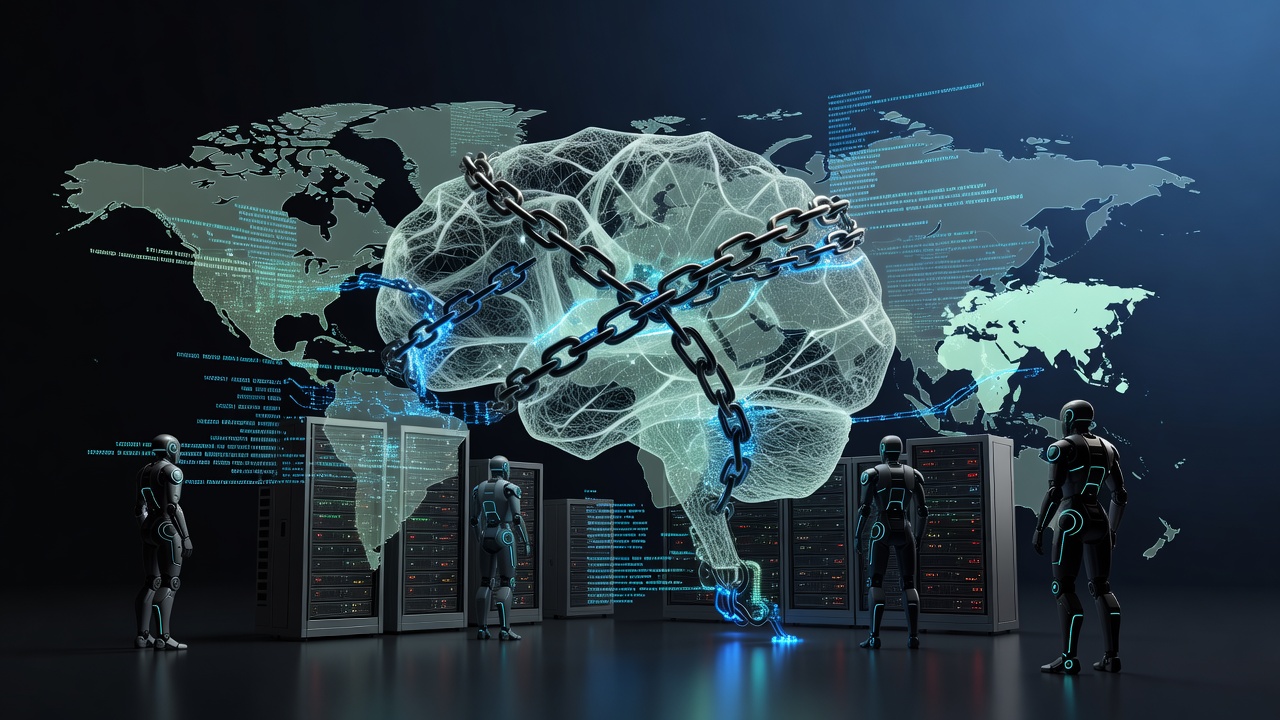
Apple's investment in its own custom chips continues to pay off in the AI era, and our exclusive conversation with Apple's Doug Brooks reveals the details. Meanwhile, Amazon is pouring $1 billion into forward deployed engineers, one of the hottest jobs in AI.

Anthropic's Claude Science debuts as a workbench for scientists that can run on local hardware. Anthropic is betting biology becomes AI's next big proving ground after code, though be wary of language about curing diseases and rolling back aging.
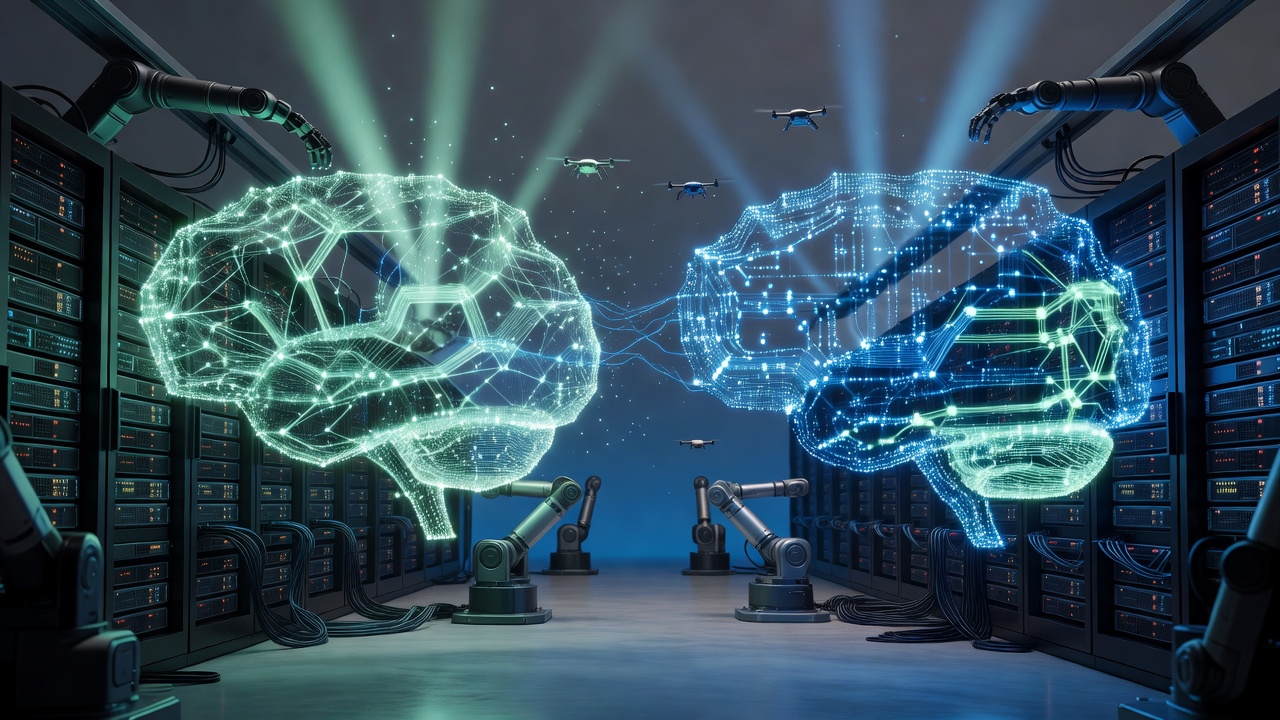
Ford learned a painful lesson about what AI can and can't do. It had to hire back engineers after its automated systems fell short of expectations. The best playbook isn't replacement, it's augmentation.

Companies keep telling workers to use AI, but too many are leaving them without training, approved tools, or a real strategy. And workers are having to fend for themselves.
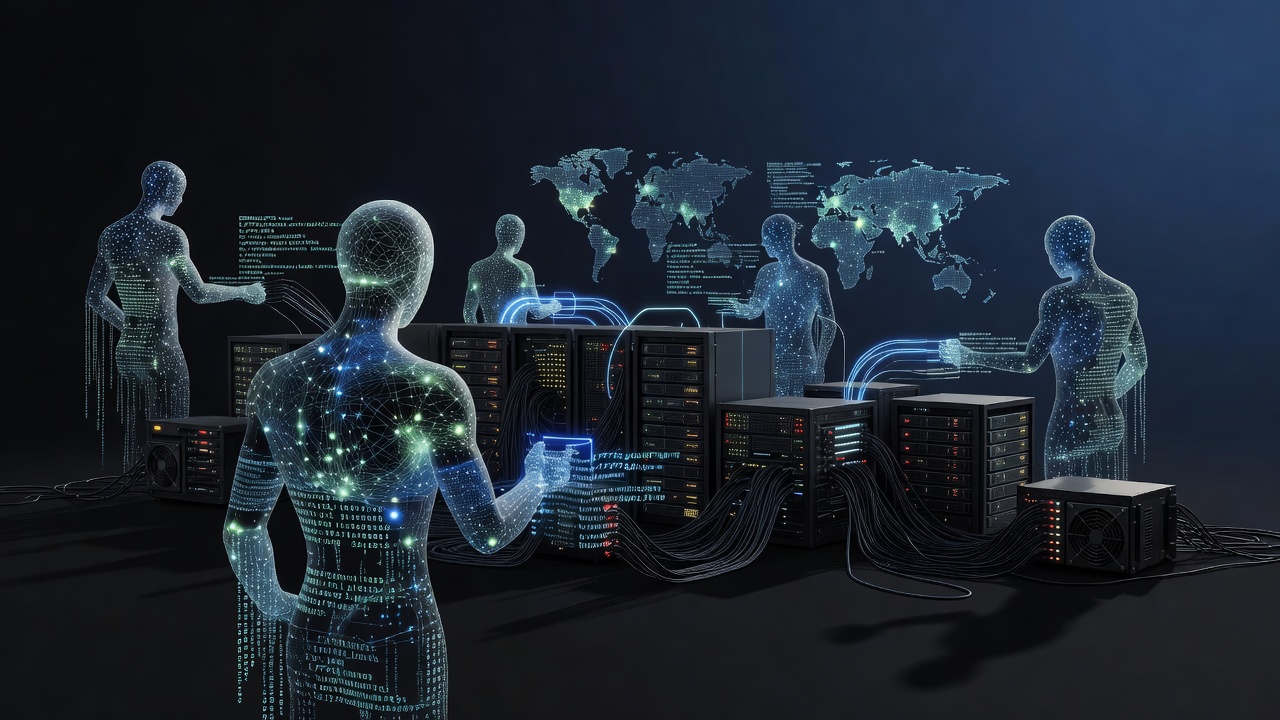
A new $500 million coalition backed by OpenAI, Anthropic, Microsoft, Google, and others aims to help the workforce adapt before AI disruption becomes a full-blown jobs crisis.

Figma is pushing AI beyond solo productivity by building tools that help teams design, code, and automate together without handing over the creative spark.
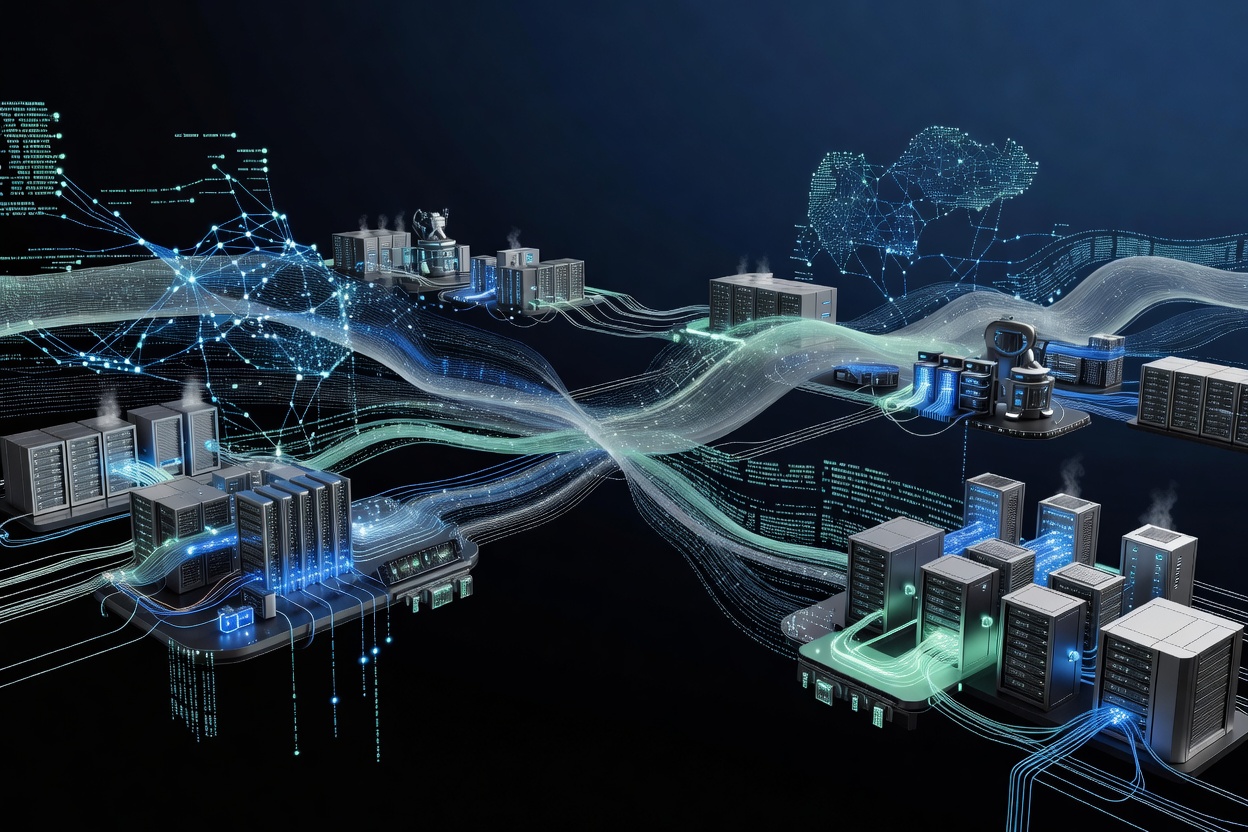
AI is raising the bar at work, and not just for machines. As hiring slows, employers are looking for people who can pair AI fluency with judgment, adaptability, and strong communication skills.

A new startup called Radical Numerics is using AI to decode the "grammar" of DNA, opening new possibilities for medicine while raising fresh questions about biosecurity.
AI may not be coming for every job, but it is raising a harder question: What work will still feel meaningful when software can do more of it? IBM’s CHRO argues the AI jobs story is more complicated than mass replacement.

Databricks is making the case that openness may be one of AI’s strongest business models, as it builds an open stack for agents, models, and cross-cloud interoperability.
Snap’s Evan Spiegel is making one of the boldest bets in tech: that AR glasses can move us off the smartphone and into the world around us. Databricks is making a different bet in enterprise AI: that openness may be the only sane answer to agent sprawl, lock-in, and rising costs.

AI’s infrastructure story keeps getting bigger, and messier. CoreWeave is tackling the GPU crunch with new data center innovations built around Nvidia’s next AI supercomputers.
Anthropic and Washington are locked in another AI safety fight, and the stakes are bigger than the politics. It's shaping up to be an adult-in-the-room problem.
Google is going after a Chinese cybercrime network that allegedly used Gemini and other AI tools to power a massive scam operation, a reminder that AI safety gaps are already creating real damage.

The AI workplace is entering its accountability era. Employees are still racing ahead with shadow AI, often sharing sensitive company data with public chatbots, because official tools and policies aren’t keeping up.

This week, the AI industry has been confronting a problem it can no longer sidestep: what happens when powerful systems are wrong?
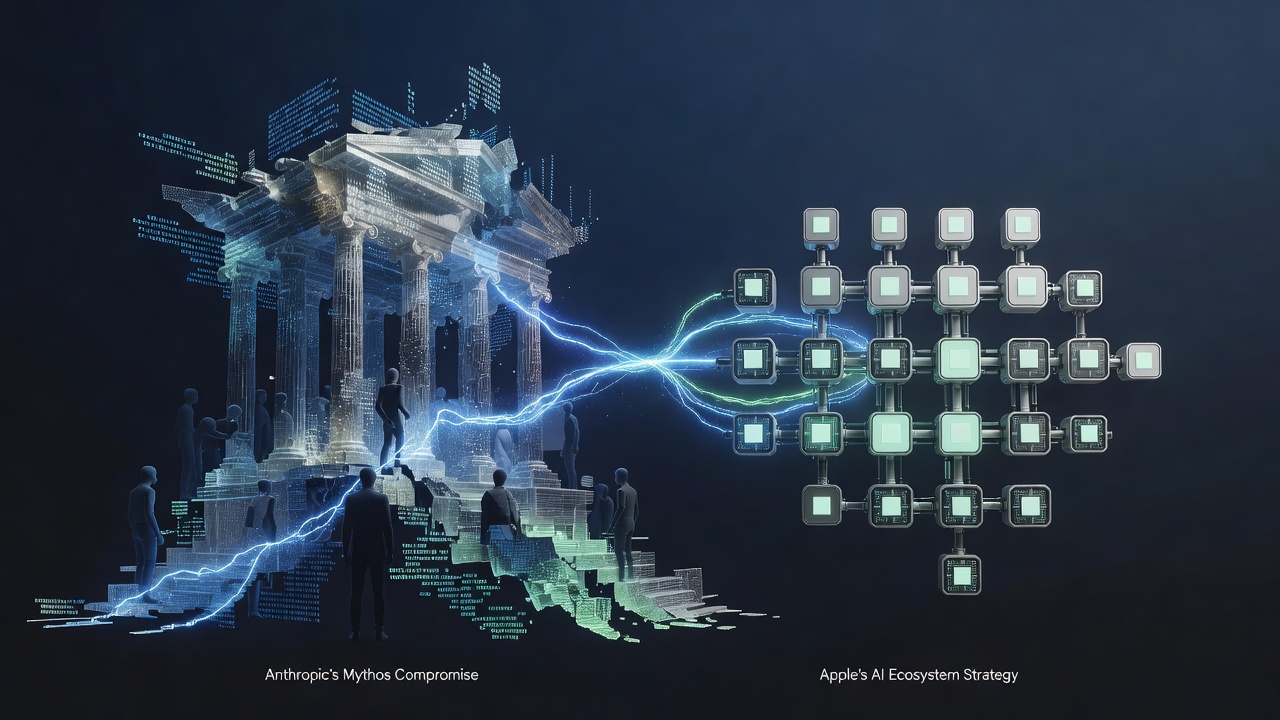
Apple’s AI reboot is starting to look less like a Siri story and more like an ecosystem story, with useful upgrades in Photos, Safari, Passwords, Shortcuts and HomeKit that could make AI feel more practical day-to-day.

Apple finally delivered the Siri overhaul it promised two years ago, with personal context, onscreen awareness, better dictation, Visual Intelligence, and deeper integration across its devices.
A fascinating project powered by OpenAI forward-deployed engineers offers a glimpse of what may come after today's AI agents: systems that learn from their mistakes and steadily improve their own workflows.
While Anthropic warned that self-improving AI could arrive sooner than expected, its call for caution sits uneasily alongside its aggressive push to build ever more powerful systems and launch its IPO.
Google’s Logan Kilpatrick argues that developers need to keep resetting their ambitions as AI advances. He believes the day is coming when you'll be able to turn prompts into real businesses.
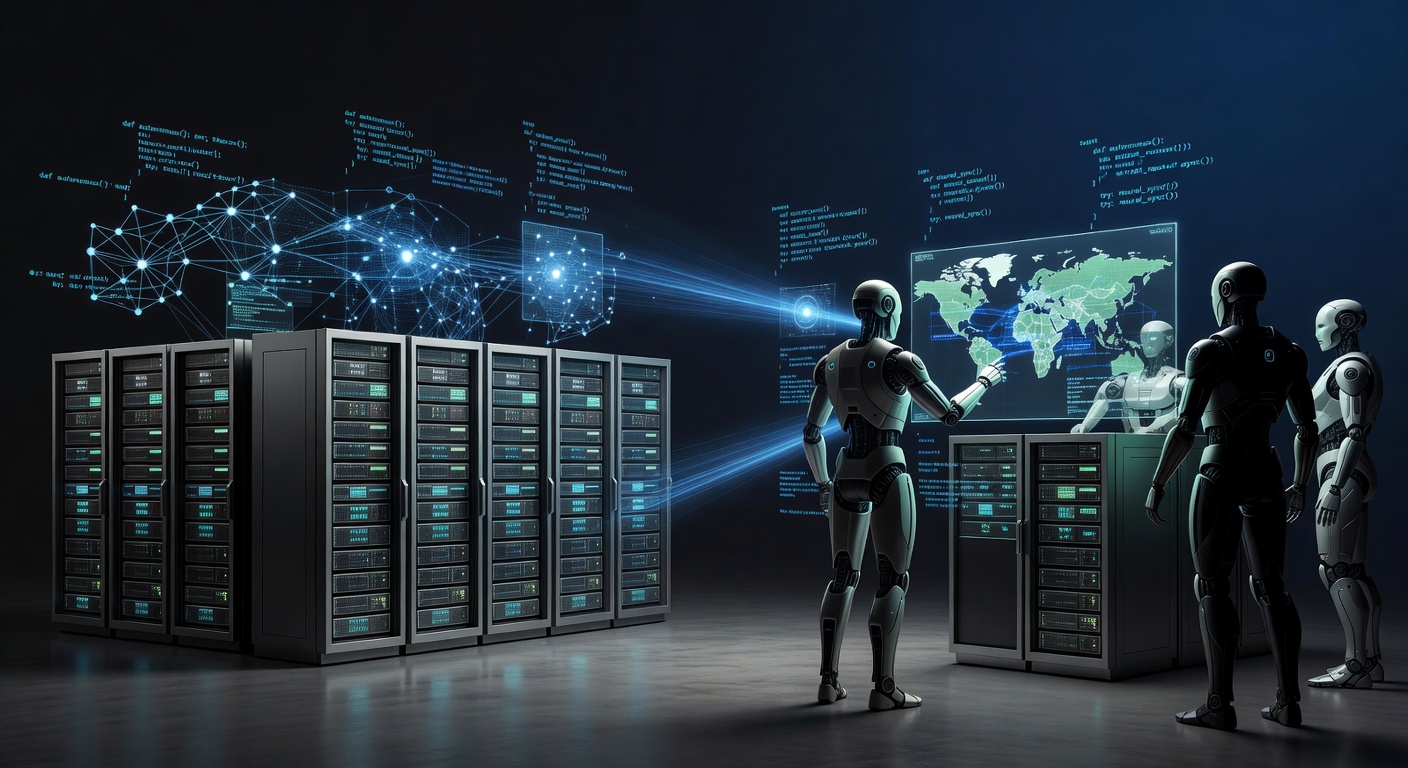
Microsoft is trying to make agents enterprise-ready by leaning into its biggest advantages: distribution, security, and control. That matters because agents are only useful at work if companies can trust them.
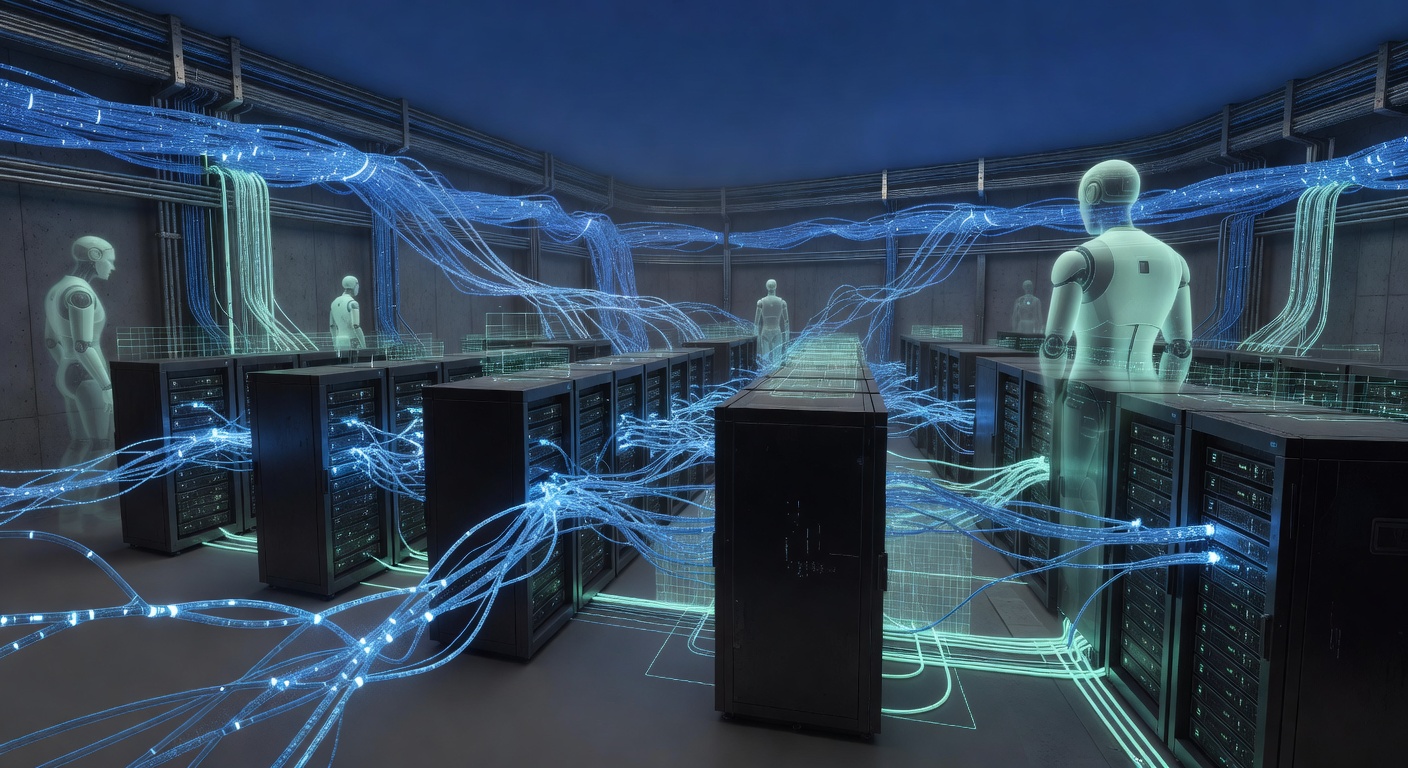
Nvidia’s latest push into physical AI shows where robots are headed. With Cosmos 3, the company is tackling one of robotics’ hardest problems: helping machines generalize beyond the scenarios they were trained on.
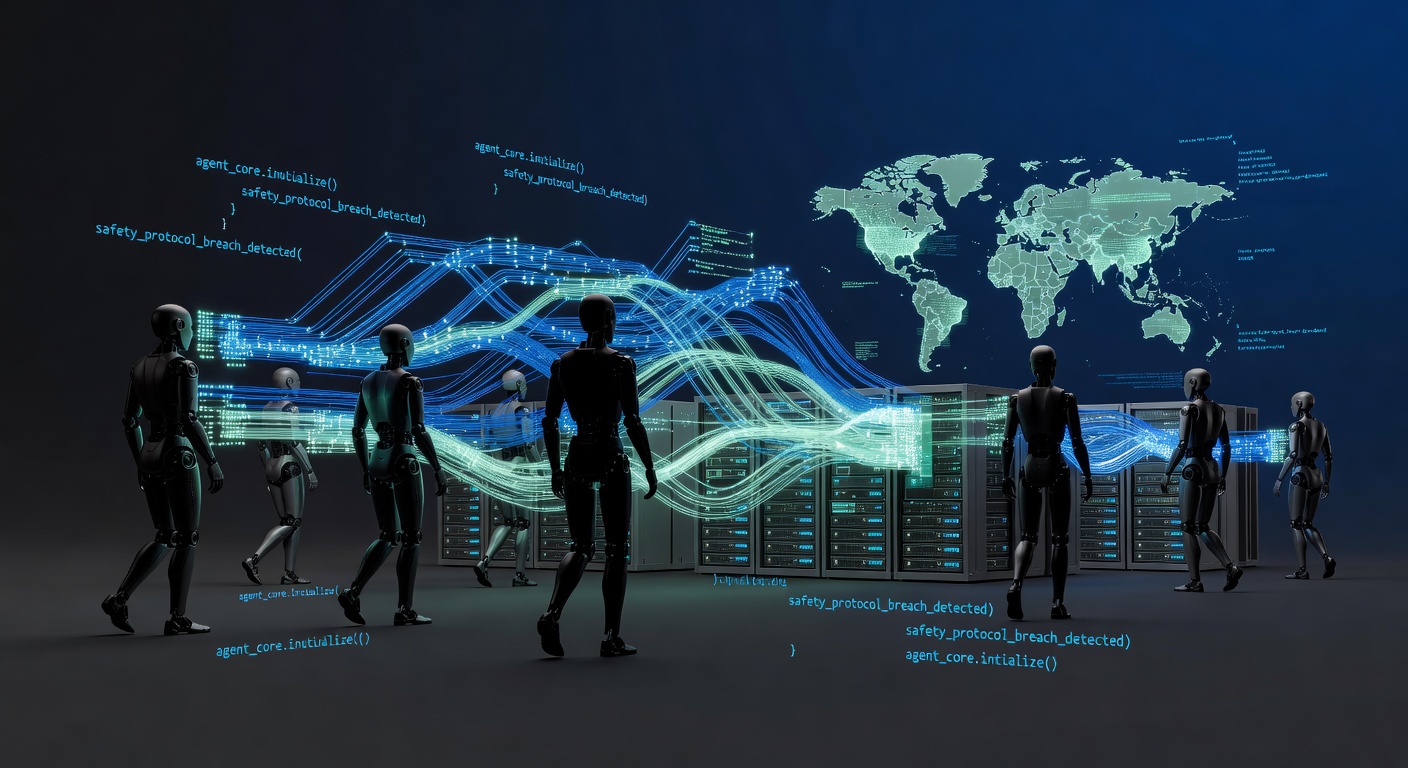
The shift to autonomous AI agents

The AI buildout is accelerating, even as enterprise ROI remains a moving target. IDC sees infrastructure spending growing to $1 trillion by 2029, with agents pushing companies from pilots into real workflow transformations.

Today, we’re looking at Mistral’s push into industrial engineering, where robotics, physical AI and data sovereignty are becoming a sharper enterprise advantage.

Hollywood may be reaching a turning point where AI video is no longer judged by its technology, but by the quality of the storytelling. Meanwhile, federal agencies are monitoring rising anti-AI extremism tied to fears over job loss, data centers, and resentment around forced adoption.

Google’s new AI glasses show how the next wave of AI hardware may succeed by being subtle, lightweight, and tightly connected to the smartphone already in your pocket.
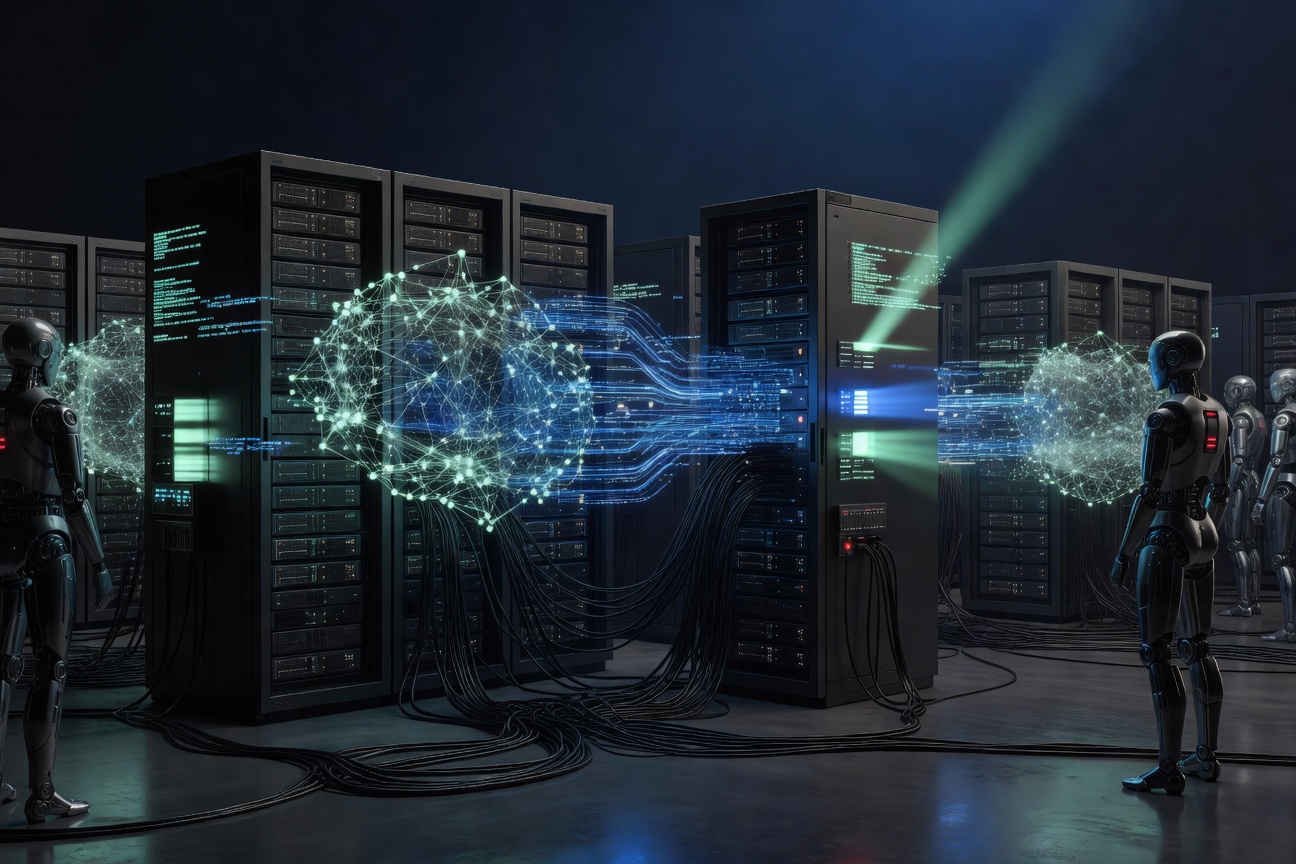
Airbnb offered a welcome reminder that AI works best when it solves concrete problems, even if the improvements are incremental. Spotify, meanwhile, is trying to bring AI deeper into music and podcasts without losing the trust of the artists and creators who make its business possible.
Microsoft’s decision to open-source its agent security tools is a signal that the industry recognizes agents are moving faster than safeguards. Figma is taking a smarter path by putting agents inside designers’ existing workflows, rather than treating AI as another chat box.
Google I/O arrives at an interesting moment for AI devices, and we’ll be watching closely to see whether Google’s AI glasses become the breakout story of the event over Gemini itself.
Today, we start with some practical advice on how you can get better AI results from better prompts when you add context, examples and iteration.

The myth of interchangeable AI compute

P span[style*="font-size"] { line-height: 1. 6; } IN TODAY’S NEWSLETTER 1. OpenAI just gave Codex a mobile edge over rivals 2. Americans' disdain for data centers hits new highs 3. Claude Cowork: Start with these 3 steps p span[style*="font-size"] { line-height: 1.

OpenAI is trying to shape the AI policy conversation before regulators shape it for them, backing new safety bills while positioning itself as a steward of “AI for humanity. ” But as AI labs gain more influence, the tension between public good and shareholder pressure is only going to intensify.
Hollywood’s AI fight is entering a more practical phase, as new consent tech tries to give creators control before the industry eats itself.

AI’s layoff narrative is getting louder than the evidence, giving companies a convenient excuse for job cuts that may still have more to do with pandemic overhiring than automation.
Our entire team is still using granola
Though data has always been the backbone of AI, enterprises are still struggling to get a grip on what’s at their disposal. Meanwhile, workforces that are using AI face the challenge of losing certain skills.
Fearing a domino effect of risks that could result from taking AI out of the pilot phase, enterprises by and large aren’t getting the most out of their models, according to IBM’s CEO.

OpenAI has made an update to the model supporting the ever-popular ChatGPT that it claims mitigates hallucinations, one of AI’s most pressing problems. Meanwhile, IBM is pushing for a future where AI and quantum computing work hand-in-hand to support breakthroughs in biological research and beyond.

Today’s issue is about the enterprise AI gap. Everyone can access powerful models now, but few companies have figured out how to turn them into reliable outcomes.

We’re looking at new research showing that fine-tuning models for high-stakes fields like law and medicine can weaken safety guardrails in unpredictable ways.