Bamboo Toilet Paper's Green Claims Outrun the ScienceBamboo Toilet Paper's Green Claims Outrun the ScienceBamboo Toilet Paper's Green Claims Outrun the ScienceBamboo Toilet Paper's Green Claims Outrun the Science
August 18, 2026
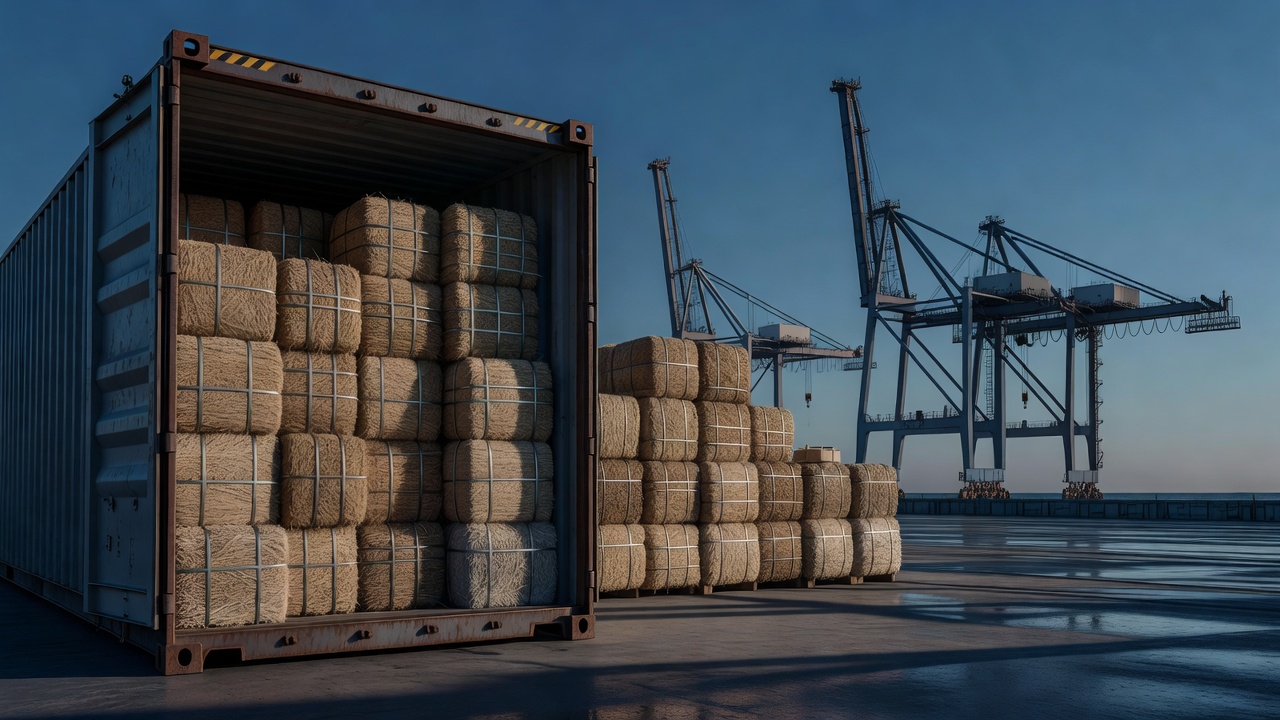
Every roll of bamboo toilet paper sold in the United States begins as pulp grown and processed somewhere in Asia: none of it is grown, pulped, and turned into finished sheets on U.S. soil.
Every roll of bamboo toilet paper sold in the United States begins as pulp grown and processed somewhere in Asia: none of it is grown, pulped, and turned into finished sheets on U.S. soil. That missing "Made in the U.S.A." supply chain is not actually the biggest story here. The structural shift happening beneath the headline matters more: one North Carolina company is chasing 2 million hectares of bamboo cultivation across the U.S. South by 2040, an ecological bet regulators have barely begun to examine. Meanwhile, the carbon-footprint claims stamped on today's bamboo rolls, the ones convincing households to pay a premium for "tree-free" paper, rest on a life-cycle literature too thin to support them. The Natural Resources Defense Council grades bamboo toilet paper a "B." Recycled paper earns an "A."
What the Researchers Found
Every bamboo toilet paper product currently sold in the United States is grown and processed in Asia, then shipped to American retailers as finished pulp or rolls. No brand manufactures a bamboo-to-paper product entirely on U.S. soil, a gap that undercuts one of the category's implicit selling points: that switching to bamboo shortens the supply chain and, by extension, the footprint.
The larger finding cuts against the marketing more directly. Researchers say bamboo's advertised carbon-footprint advantage over wood-pulp toilet paper is scientifically unproven. The Natural Resources Defense Council (NRDC), the New York City based environmental nonprofit that ranks toilet paper brands on sustainability, grades products accordingly: recycled toilet paper earns an "A," bamboo toilet paper sits one tier down at "B," and traditional toilet paper made from virgin wood pulp trails at "D" or lower.
That ranking matters because bamboo brands routinely market themselves as the environmentally superior alternative to conventional, forest-sourced tissue, using language like "tree-free" to imply a categorical difference in impact. The NRDC's own scorecard puts bamboo below, not above, the recycled option many of the same shoppers could choose instead, for a product category the grading system rates as cleaner.
The Methodology
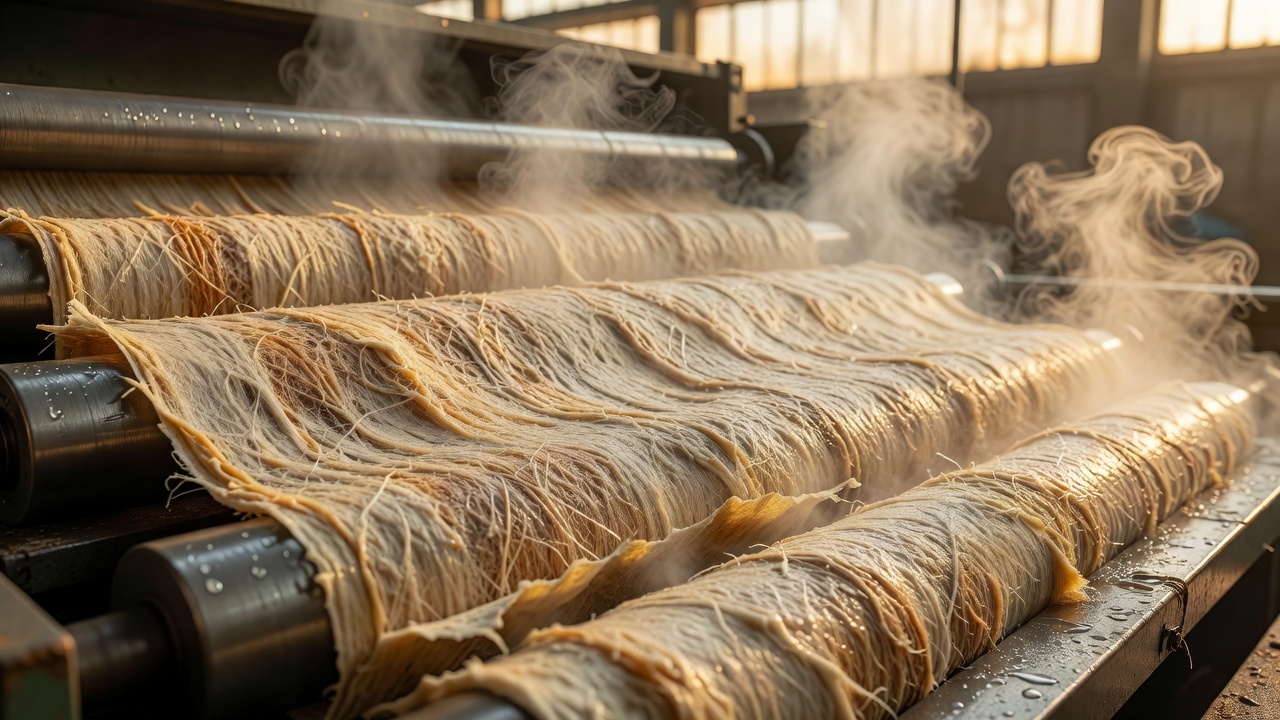
The scientific case against bamboo's carbon advantage rests on two studies. A 2025 paper in Cleaner Environmental Systems compared the carbon footprints of bamboo and wood-based bath tissue across growing, manufacturing, and shipping, and found the two materials produced broadly similar average footprints. The study concluded that refining existing wood-pulp tissue technology could cut toilet paper's environmental footprint more than switching raw materials to bamboo altogether.
A second study, published in 2019 in the Journal of Advanced Manufacturing and Processing, compared environmental impacts across traditional and alternative pulping and papermaking sources, bamboo included, and found the differences "generally not large." Alternative pulps, the study found, produced impacts similar to recycled paper products, not meaningfully better.
Neither study examined bamboo grown in the United States specifically; both analyzed bamboo sourced and processed under Asian supply chains, the only kind currently on U.S. shelves. As the international standard for this kind of comparison, ISO 14040, frames it, life-cycle assessment (a cradle-to-grave accounting of a product's environmental impacts) "studies the environmental aspects and potential impacts throughout a product's life cycle (i.e., cradle-to-grave) from raw materials acquisition through production, use and disposal." Applying that standard to a domestically grown bamboo supply chain, which does not yet exist at commercial scale, remains an open question the two studies could not answer.
Why It Matters
The gap between marketing and evidence is the crux of the story. Bamboo toilet paper brands built a category around "tree-free" positioning and implied carbon savings, but the life-cycle literature backing those claims is thin, and what exists does not support a meaningful advantage. Deah Lieurance, an invasion ecologist at Penn State, put it bluntly: "I don't think they can make the claims they're making."
Lieurance's read on the industry's actual case is that companies are mostly "hanging their hat on how fast it grows," a reference to bamboo's rapid growth rate rather than any measured, verified reduction in carbon output. Fast growth is real and well documented, but growth speed alone does not establish a smaller cradle-to-grave footprint once processing, shipping, and manufacturing are factored in, which is exactly what the 2025 and 2019 studies attempted to isolate, and did not find clearly favored bamboo.
For consumers, the practical effect is a premium paid for a sustainability claim the current data cannot fully substantiate. At least one company, unnamed in available reporting, does publish carbon footprint disclosures for its bamboo toilet paper products. Most do not, leaving buyers to weigh "tree-free" and carbon-reduction language against essentially no independently verified figures specific to the product in their cart.
Competitive Landscape
The toilet paper aisle now splits into three broad sustainability tiers, according to NRDC's grading system:
- Recycled toilet paper: NRDC grade "A," the top-ranked category.
- Bamboo toilet paper: NRDC grade "B," marketed as "tree-free" but carrying carbon claims the underlying studies do not clearly support.
- Traditional virgin wood-pulp toilet paper: NRDC grade "D" or lower, the lowest-ranked category.
Verified, brand-by-brand data on which consumer companies sell bamboo toilet paper was not available in the reporting behind this story, so no specific brand names are confirmed here. What is confirmed is the tier structure itself: bamboo toilet paper occupies the middle of NRDC's three-tier system, one grade below recycled paper and at least one grade above traditional virgin wood-pulp tissue, a ranking that applies at the category level regardless of which company's logo is on the roll.
A verified, brand-by-brand price comparison across bamboo, recycled, and traditional toilet paper was not available at publication time, leaving cost, alongside carbon footprint, as an open variable for shoppers weighing the three categories against each other.
Independent analyst commentary specifically on this announcement was not publicly available at publication time.
Limitations and Caveats
Several data gaps limit how far the current findings can be extended. Neither the 2025 Cleaner Environmental Systems study nor the 2019 Journal of Advanced Manufacturing and Processing study measured a U.S.-grown bamboo supply chain directly, so there are no hard carbon-footprint numbers specific to domestically cultivated bamboo, only figures drawn from Asian-grown, Asian-processed material.
The total acreage of bamboo currently under cultivation in the United States is not established in available reporting. National Bamboo, the North Carolina company pursuing domestic production, works with growers managing more than 300 hectares combined, but that figure describes current managed land tied to one company's network, not a nationwide total across all growers and species.
The identity of the "one company" that publishes carbon footprint disclosures for its bamboo toilet paper products is not specified in available reporting. Major bamboo toilet paper brands have not issued a public response to the charge that their carbon-reduction and "tree-free" marketing claims outrun the underlying life-cycle literature. And no verified, brand-by-brand price data exists comparing bamboo, recycled, and traditional toilet paper, limiting any conclusion about whether the sustainability tiers also track with what consumers actually pay.
What Comes Next
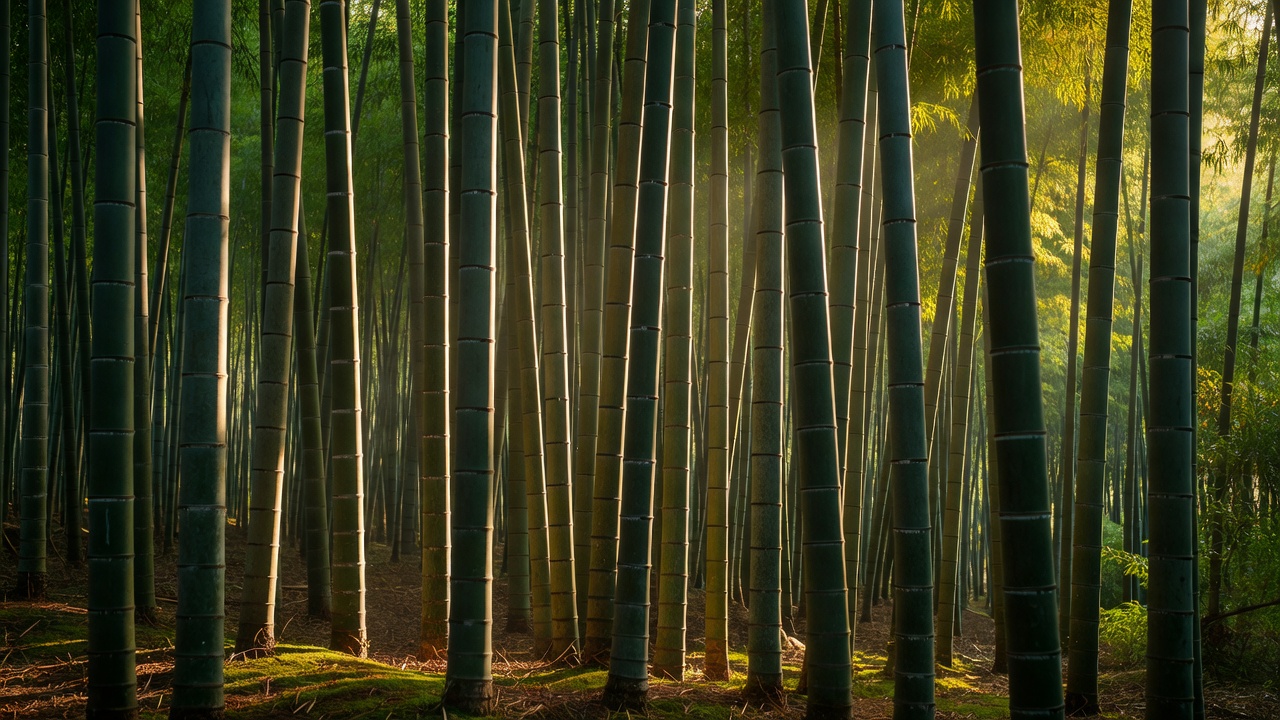
Jamie LeLiever, who runs National Bamboo and operates a bamboo pulp processing facility in Shelby, North Carolina, has spent five years growing Phyllostachys nigra 'Henon', a running bamboo (a spreading growth type more prone to escaping cultivation than clumping bamboo) native to China, selected for its pulp-suitable composition, manageable growth behavior, and sterile seeds meant to limit invasion risk. Growers working with National Bamboo currently manage more than 300 hectares across the Southeast, maintaining a 6-meter buffer zone around fields, mowed annually to stop new shoots from establishing beyond the planted area. LeLiever describes the plant's spread as controlled: "Every year, it's creeping a max of about two meters." His stated ambition is far larger: 2 million hectares of bamboo across the U.S. South by 2040, contingent on establishing a full domestic supply chain, with U.S.-grown, U.S.-made bamboo toilet paper reaching market within "a few years."
That ambition runs directly into warnings from invasive species researchers. David Coyle, an invasive species specialist at Clemson University, does not equivocate: "Planting bamboo in the southeastern U.S. is an absolutely horrible idea." Running bamboo, once established, is "practically impossible to get rid of," Coyle said. "Short of physically digging it up or, metaphorically speaking, nuking it with chemicals, it's not coming out."
Luke Flory, an invasive species ecologist at the University of Florida in Gainesville, points to a different failure mode than day-to-day field management: "The biggest risk comes not from current production or managed land. It's if these companies go bankrupt and their tens, hundreds or thousands of acres of bamboo are just left there." Flory also cites a general principle from invasion ecology: "The longer a nonnative species has been introduced to an area, the more likely it is to be invasive," a timeline concern for a crop still just five years into U.S. cultivation at commercial scale.
Mark Sanders, who grows bamboo at Ninth Ward Nursery in New Orleans and also takes on bamboo removal jobs, says the plant can "absolutely" be controlled with the right species and management choices, a more optimistic read grounded in hands-on removal experience. Regulatory oversight of bamboo's invasion risk remains minimal, leaving the scale-up largely to individual growers' own containment practices.
The bamboo swap was supposed to be the easy environmental win: a fast-growing grass standing in for slow-growing trees. What the life-cycle data actually shows is closer to a wash, dressed up in greener packaging. The bigger gamble is not on the shelf at all, it is in the ground, where a two-million-hectare bet on a nonnative grass is already underway with almost no one watching. As Coyle put it: "We don't know a lot, unfortunately. I do all I can to get people to not plant bamboo because it's a road that when you go down, there's really no turning back."
For a household stocking the bathroom closet, the choice comes down to a letter grade, not the word printed on the package. NRDC's scorecard ranks recycled toilet paper "A," bamboo "B," and traditional virgin wood-pulp toilet paper "D" or lower, a ranking drawn from the same life-cycle literature that found bamboo's own carbon story is not yet proven. Until individual brands publish their own verified footprint numbers, and few currently do, that independently issued grade, not "tree-free" language on the wrapper, is the only checked variable available at checkout.
-- Zara Velez, Emerging Technology Editor
Sources: Science News | Cleaner Environmental Systems (2025) | Journal of Advanced Manufacturing and Processing (2019)