Best Fitness Trackers: Screenless Bands vs. Garmin vivoactive 6 Tested
October 28, 2026
Screenless fitness bands have gone from a niche to a real alternative to the wrist watch. The four trackers here run from $99 to $299.99, and three of the four have no screen at all.
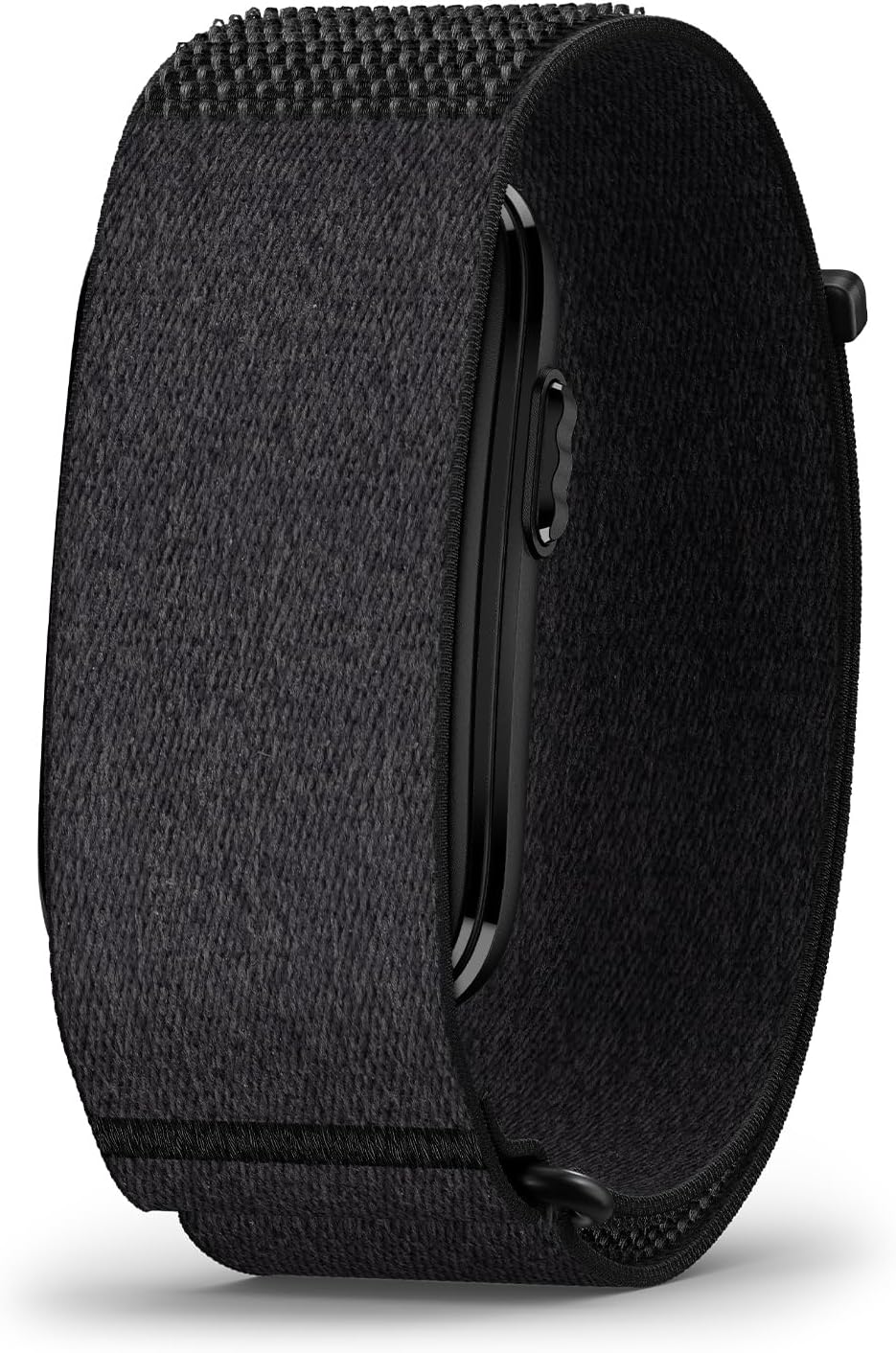
Screenless fitness bands have gone from a niche to a real alternative to the wrist watch. The four trackers here run from $99 to $299.99, and three of the four have no screen at all. Picking between a watch, a strap and a slim band means weighing battery days, grams on the wrist, subscription tiers and how much training depth you actually use.
This guide compares the Garmin vivoactive 6, the Amazfit Helio Strap, the Google Fitbit Air and the Garmin CIRQA Smart Band. It is written for people who want a tracker for sleep, steps and workouts without paying flagship-watch money, and for anyone deciding whether a screen is worth the trade in battery and weight. Each pick below is anchored to specific numbers: grams, days of battery, sport modes, water ratings and price.
Why You Can Trust This Guide
Revuzia does not take paid placement, and no manufacturer has influence over rankings or receives favorable coverage in exchange for review units. Every fitness tracker we cover is judged against the same checklist: battery endurance against the rated figure, weight and comfort for all-day and overnight wear, heart-rate and sleep accuracy against reference devices, workout tracking depth, app quality, water rating and the cost of any subscription tier needed to unlock the full feature set.
Our process combines three kinds of evidence. First, published measurements and extended-use findings from independent testing, such as battery drain curves and side-by-side heart-rate comparisons against smart rings and other wearables. Second, manufacturer spec sheets for weights, dimensions, sensors and water ratings. Third, hands-on reviewer impressions of comfort, haptics and app behavior. When a manufacturer's claim and independent findings disagree, we report both and say which one we believe. Prices on this page reflect manufacturer pricing and retailer listings at publication and can change.
Spotted an error, or want us to consider a product? Email editorial@revuzia.com.
Our Top Picks at a Glance
Best Overall: Garmin vivoactive 6
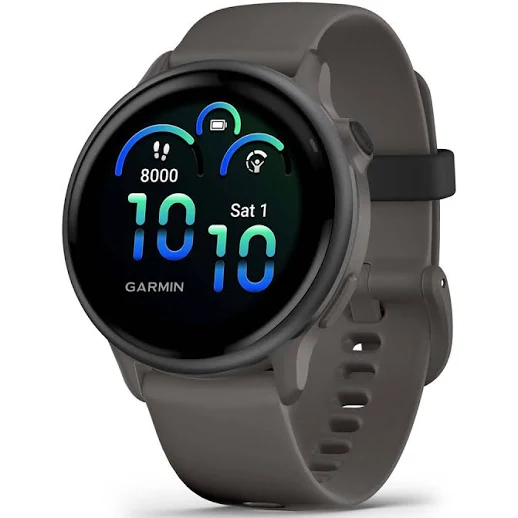
The vivoactive 6 wins because it is the only tracker in this group that works as a complete device on its own: a bright touchscreen, 82 sport profiles and an adaptive coaching system, all in a 36 g body. Reviewers called it a "superb all-rounder," and it carries a 4.6 out of 5 average from roughly 2,800 shoppers on Google Shopping. At $299.99 it is the most expensive pick, but it is also the only one that gives you instant feedback on the wrist, with no phone check required to see your numbers.
Key specs. The case is anodised aluminium with a low, smooth bezel and a silicone strap. The AMOLED display stays readable in direct sunlight, and a raised start/stop button makes it easy to use mid-workout. It covers 82 sport profiles, including trail and obstacle running, MMA, padel, archery and golf with AutoShot. Running Dynamics reports cadence, stride length, ground contact time and vertical oscillation. Strength mode logs sets, reps and rest. Other tools include PacePro, breadcrumb navigation, Garmin Pay, a smart wake alarm, nap detection, Sleep Need, Body Battery, stress tracking, a breathwork mode and women's health tracking. Launched in April 2025, it costs about 30 pounds more than its predecessor, the vivoactive 5.
Who it suits. Reviewers who used it for half-marathon preparation found that Garmin Coach delivered pace alerts and adjusted the plan to daily recovery data, and described it as good value compared with hiring a human coach. Sleep duration and quality readouts are clear, though the written summaries felt a little harsh. That makes it the pick for anyone training toward a race, lifting in a gym, or playing golf on weekends. It is also the easiest of the four to recommend to a first-time buyer, because everything is visible on the wrist.
Pros
- 82 sport profiles plus Garmin Coach, the deepest training toolkit in the group
- Bright AMOLED touchscreen, readable in direct sun
- Body Battery, Sleep Need and recovery insights built in
- Garmin Pay and a 36 g build that stays comfortable for a full smartwatch
Cons
- Battery life is described as middle-of-the-road, and the screen drains it faster than the screenless bands
- No barometric altimeter, which skews elevation data for trail and hill runners
- Silicone strap looks less premium, the bezel leaves the screen exposed, and iPhone users lose some features
Best Budget: Amazfit Helio Strap
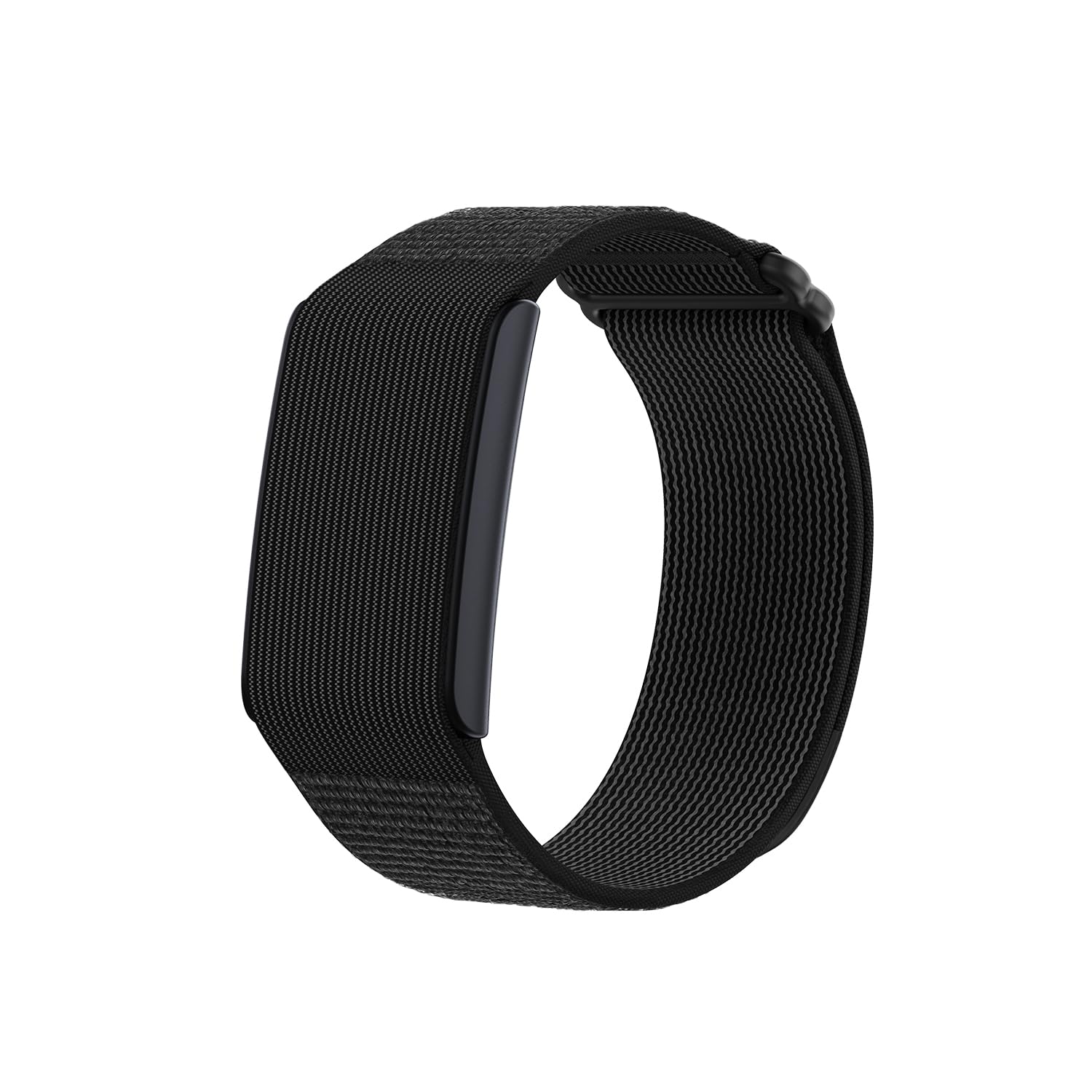
At $99.00, the Helio Strap is the lowest-priced tracker in the group, with the Fitbit Air less than a dollar behind at $99.99. Unlike the Air, it needs no paid tier for day-to-day use. It is built for active exercisers: it supports manual workout starts in the app, auto-detects workouts, and can broadcast live heart rate over Bluetooth to gym machines, cycling computers and other watches. Reviewers called it "terrific value," and it averages 4.4 out of 5 from about 590 shoppers on Google Shopping.
Key specs. The Helio Strap weighs 20 g including the strap, and the module is a plastic puck with no metal parts. It has a 5 ATM water rating, though the manufacturer advises against saunas and hot showers because steam can damage the seals. A skin-temperature sensor tracks overnight deviations, and up to 10 vibration alarms are available. It charges through a small puck with two metal contacts, which is pocket-friendly but easy to lose. Amazfit rates battery at up to 10 days, and reviewers who used it for a week were left with 35% charge, consistent with that claim.
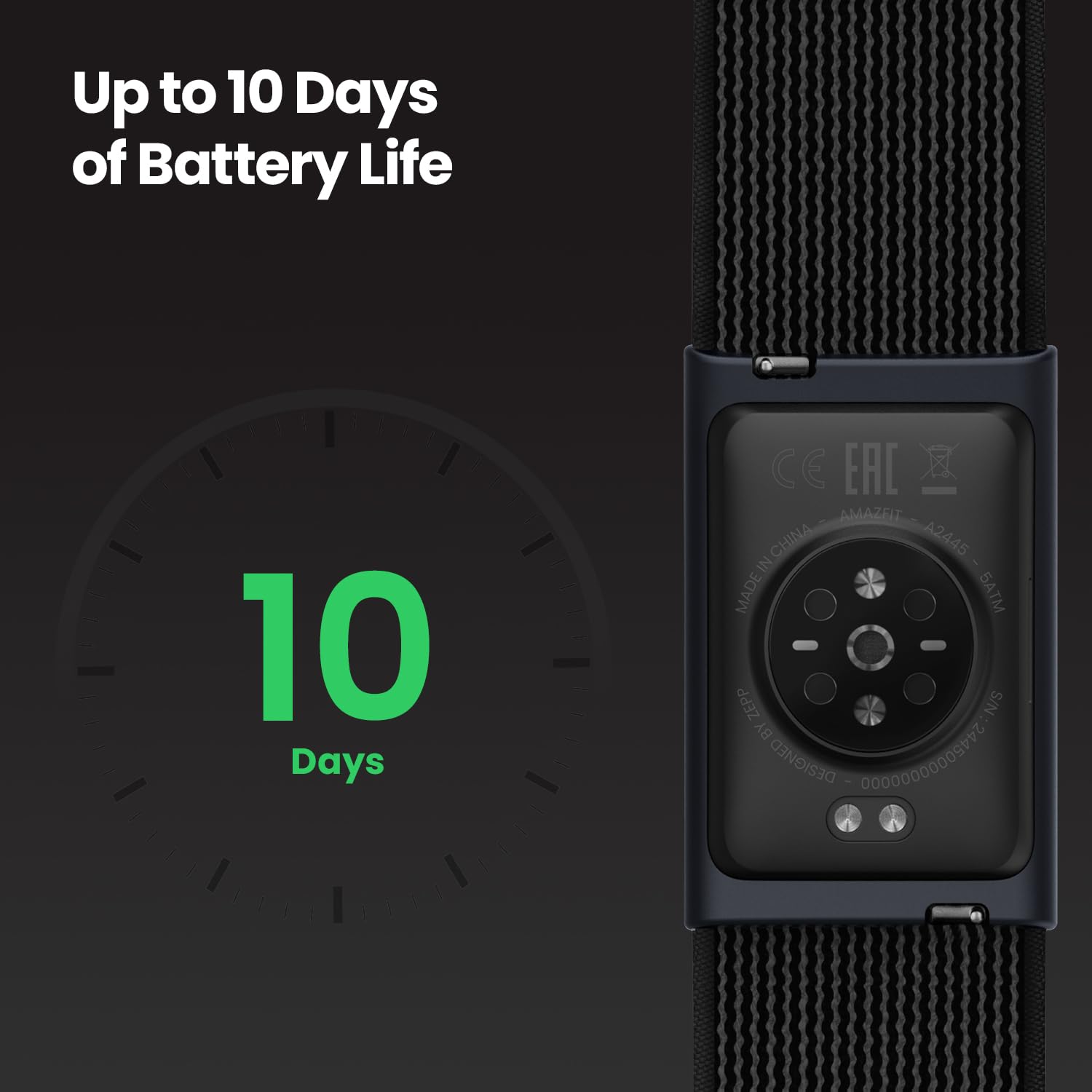
Who it suits. Because heart rate can be sent out in real time, it pairs naturally with a running watch, a cycling computer or treadmill and bike displays. It makes sense as a second sensor and a recovery tracker, and as an entry point for gym users who do not want a subscription. An optional arm strap is available, and Amazfit is the official Hyrox timekeeper, with a Hyrox-themed strap on offer. The optional Aura subscription adds an AI wellness advisor and relaxation audio for $69.99 a year, with a 14-day free trial.
Pros
- Lowest price of the four, with no subscription needed for day-to-day use
- About 10 days of battery, with 35% left after a week of use
- Live heart-rate broadcast to gym machines, cycling computers and watches
- 20 g and comfortable, with a 5 ATM water rating
Cons
- Small heart-rate accuracy issues, and weak haptic alarms that make it unreliable as a wake-up alarm
- Thicker than expected, so it sticks out from the wrist and snags on tight sleeves
- Training-load and readiness insights are shallower than the best in the category
Best for Sleep: Google Fitbit Air
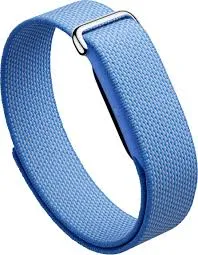
At $99.99, the Fitbit Air is the easiest of the four to forget you are wearing. It is the lightest tracker in the group at 12 g, and reviewers found it the most comfortable for sleep. It carries a 4.4 out of 5 average across about 1,400 shoppers on Google Shopping, the largest sample among the three bands.
Key specs. The 17 mm-wide band comes in three styles: silicone Active, woven Performance Loop and polyurethane Elevated Modern. Sensors include optical heart rate, skin temperature, an accelerometer and a gyroscope. A haptic alarm is dismissed by tapping the top of the tracker. It has no onboard GPS and uses a device-specific charger.
What reviewers found. One reviewer found heart-rate tracking closely matched an Apple Watch Ultra 3 across work, rest and exercise, while another rated accuracy as good but not great. Sleep tracking was rated excellent, and the passive, low-maintenance experience is where the Air shines. Automatic workout detection is limited, so you will want to start sessions manually.
Who it suits. Anyone who mainly wants sleep and daily-activity data without a screen or a big outlay. The optional Google Health Premium tier adds an AI Health Coach at $9.99 a month or $99.99 a year. It is free for existing Google AI Pro members, but reviewers found the coach overly chatty.
Pros
- 12 g, the lightest of the four, and rated the most comfortable for sleep
- Excellent sleep tracking and a choice of three band styles
- $99.99 up front, with the AI Coach optional rather than mandatory
- Heart-rate readings that matched an Apple Watch Ultra 3 in one comparison
Cons
- The Google Health app was called a "mess," with scattered features and a non-intuitive layout
- Fewer insights without the paid Premium tier
- No GPS and limited workout auto-detection
Best Battery: Garmin CIRQA Smart Band
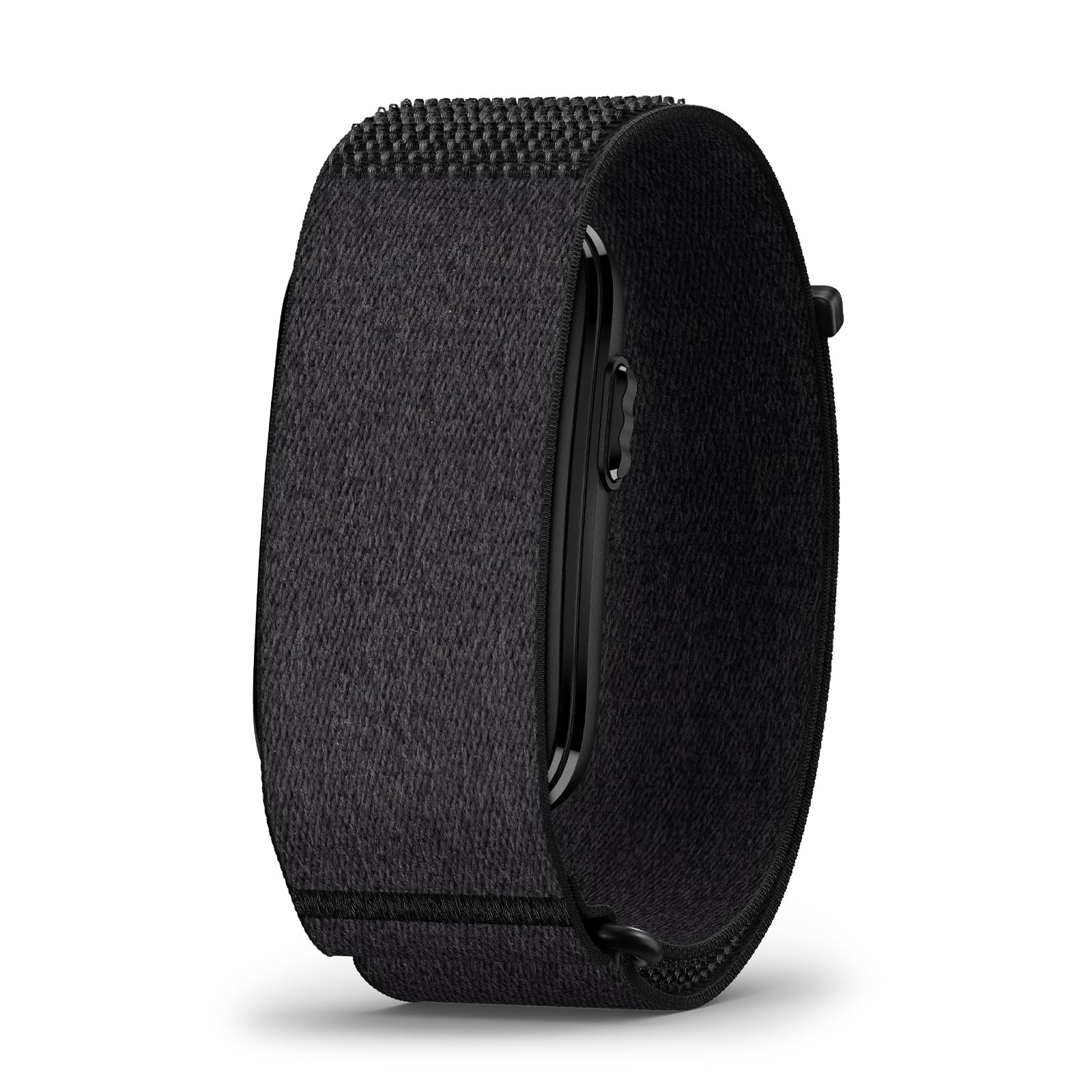
The CIRQA is a battery standout. Garmin rates it at up to 10 days, and independent testing backed that up: it dropped from 100% to 86% in just over a day, sat at 40% after a little over five days, and reached 12% just over eight days in, projecting to about nine days. The Helio Strap carries the same 10-day rating, so the two are close. When the CIRQA does run low, charging is quick: almost 80% came back in 57 minutes from 12%. At $199.00 it sits between the budget bands and the vivoactive 6, and it earns a 4.0 out of 5 from about 485 shoppers on Google Shopping.
Key specs. The removable module measures 27 x 47 x 9 mm and weighs 14.8 g with the S-M strap or 21.2 g with the L-XL strap. The case is fibre-reinforced polymer, the strap is 24 mm fabric with 14 mm quick-release pins, and it carries a 5 ATM water rating. Wrist fit is 120 to 200 mm (S-M) or 145 to 240 mm (L-XL), with an optional upper-arm band. Sensing uses Garmin Elevate Gen 4 optical heart rate, skin temperature and SpO2. It connects over Bluetooth and ANT+, and has 128 MB of memory for data rather than music. There is no screen and no onboard GPS, so it borrows the phone's connection.
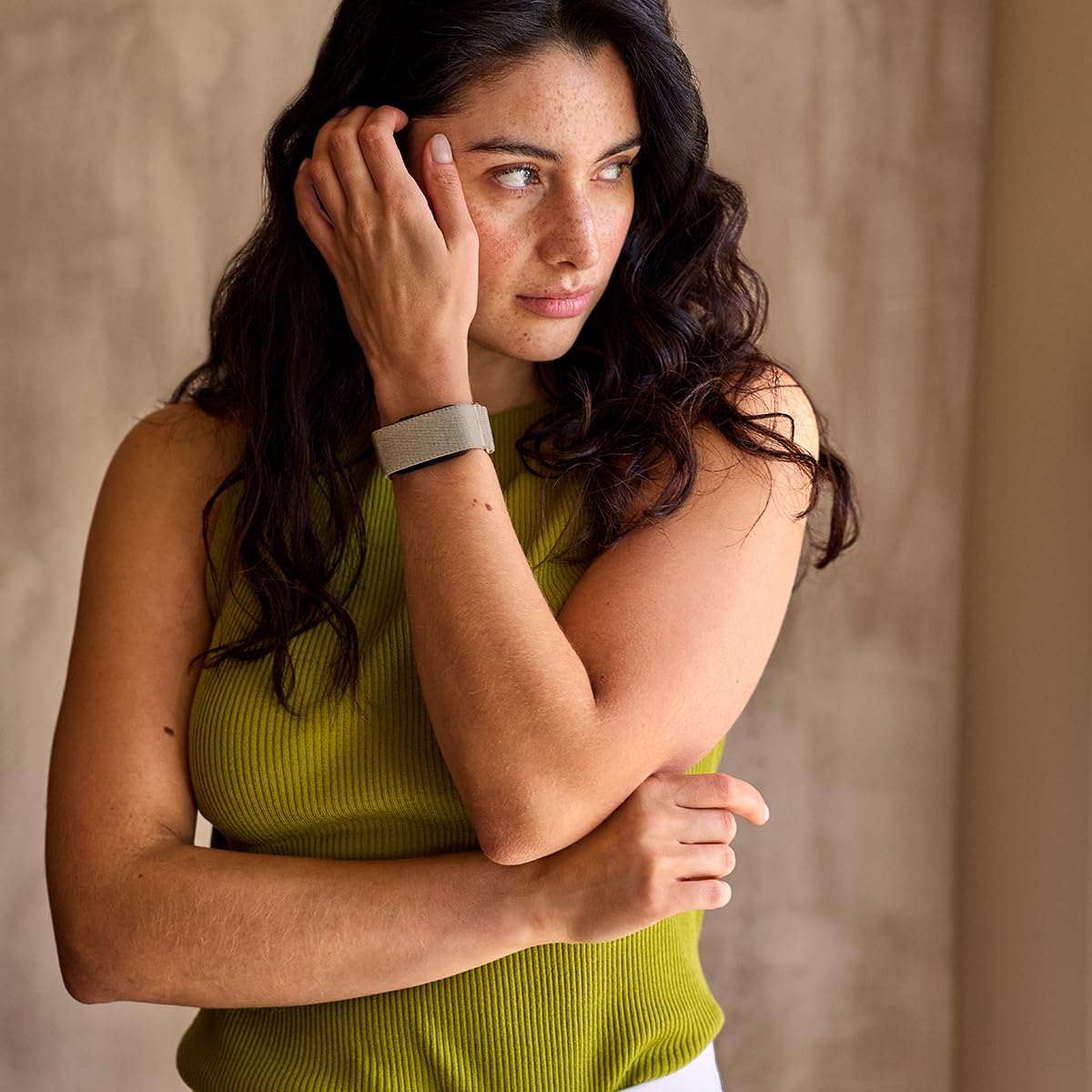
Who it suits. Garmin owners who want a sleep and recovery companion, plus lifters and kettlebell users who dislike wrist pressure from a watch. Reviewers found heart rate, sleep, stress and SpO2 were okay against two smart rings worn at the same time. It reports HRV Status, Body Battery, Training Readiness and Training Status. One caveat: the algorithms are athlete-first and under-credit casual activity, with one test week of over 650 intensity minutes of walking still reading "Recovery." Some insights also sit behind Garmin's optional paid Connect+ tier, despite the "no subscription" label on the listing.
Pros
- Over 8 days of measured battery and 80% recharge in 57 minutes
- 14.8 g module, discreet enough to wear to bed
- Full Garmin ecosystem and ANT+ support for far less than a Forerunner or Fenix
- 5 ATM water rating
Cons
- Athlete-first algorithms under-credit casual activity such as walking
- Active Intelligence is a paid Connect+ feature, needs an internet connection and feels awkward
- No screen and no GPS, so no instant feedback
How We Chose
We started with one rule: every product had to be a fitness tracker you wear all day. That ruled out smart rings, chest straps and phone-only apps. From there, the criteria that mattered most were battery endurance, comfort and weight, measurement quality for heart rate and sleep, the depth of workout and recovery tools, app quality, and the real cost of ownership once optional subscriptions are counted.
Evidence came from independent test findings: battery drain curves over multiple days, side-by-side heart-rate and sleep comparisons against smart rings and other wearables, and extended-use impressions of comfort and haptics. We cross-checked these against manufacturer specs for weight, dimensions, sensors and water ratings, and against buyer ratings on Google Shopping to catch problems that a single review misses.
Products lost ground for specific reasons. A weak app or limited auto-detection moved a tracker down. Missing capabilities, such as no barometric altimeter on the watch or no screen on the bands, were weighed against how much each buyer is likely to need them. Price was judged against what you get at that tier, so the cheapest model did not win by default and the most expensive one had to justify itself with features. Subscription tiers were counted as optional only where day-to-day use really works without them. Google rates the Fitbit Air for up to 7 days of battery life per charge.
What to Look For
Screen or screenless. A watch like the vivoactive 6 gives instant feedback, navigation and payments, but weighs 36 g and drains faster than the bands. A band like the Fitbit Air at 12 g is easy to sleep in, but you check everything in the phone app. Decide whether you glance at data mid-workout or review it afterward.
Real battery life. Rated figures are ceilings, not promises. The CIRQA's independent drain test projected about nine days against a 10-day claim, which is the kind of closeness you should look for. The Helio Strap's 35% left after a week points the same way. Screen tracking costs endurance, so a watch will charge more often than a band.
Weight and fit. If you wear a tracker to bed, every gram counts. The group spans 12 g to 36 g. Check the strap width and wrist range, and note whether the module sticks out and snags on sleeves, as the Helio Strap's does.
Sensors and accuracy. Heart-rate accuracy varies by activity, and the bands reviewers tested ranged from "good, but not great" to closely matching an Apple Watch. If you train hard, look for optional arm-band placement, as on the CIRQA and Helio Strap. Heart-rate broadcast is valuable if you pair with gym equipment.
Subscriptions and ecosystem. Several of these hold back insights behind optional tiers: Garmin Connect+, Google Health Premium at $99.99 a year and Amazfit Aura at $69.99 a year. Decide whether the free experience covers you. Also consider your phone: the vivoactive 6 gives iPhone users fewer perks than Android users. Finally, check the water rating if you swim. The CIRQA and Helio Strap are both 5 ATM, and the Helio's maker advises against saunas and hot showers.
Bottom Line
For a half-marathon trainee who wants pace alerts, running dynamics and a screen on the wrist, pick the Garmin vivoactive 6 at $299.99. Its 82 sport profiles and Garmin Coach plan adjust to daily recovery, which no band here can match.
For a budget buyer who wants to exercise, not subscribe, pick the Amazfit Helio Strap at $99.00, because it needs no paid tier, broadcasts live heart rate and kept 35% charge after a week.
For a first-time buyer who mainly wants sleep data and will wear it every night, pick the Google Fitbit Air at $99.99. At 12 g it is the lightest of the four, and its sleep tracking was rated excellent.
For a Garmin owner who forgets to charge, pick the Garmin CIRQA Smart Band at $199.00, which tested at over 8 days and refilled almost 80% in 57 minutes.
The screenless tracker has finally grown up, and the best of these bands now do real work for a fraction of a flagship watch's price. Still, a good screen and a real coaching engine remain hard to replace, and the vivoactive 6 is proof of it.
-- Miles Danner, Wearable Technology Analyst
*Disclosure: As an Amazon Associate, Revuzia earns from qualifying purchases. Prices and availability are accurate as of publication and may change.*