Best Flagship Smartphones: Five Phones Tested, One Clear WinnerBest Flagship Smartphones: Five Phones Tested, One Clear WinnerBest Flagship Smartphones: Five Phones Tested, One Clear WinnerBest Flagship Smartphones: Five Phones Tested, One Clear Winner
June 23, 2026
Five flagship smartphones, price tags ranging from $784 to $1,429, and every single one claiming to be the phone worth carrying for the next two years. The problem is not a shortage of options.
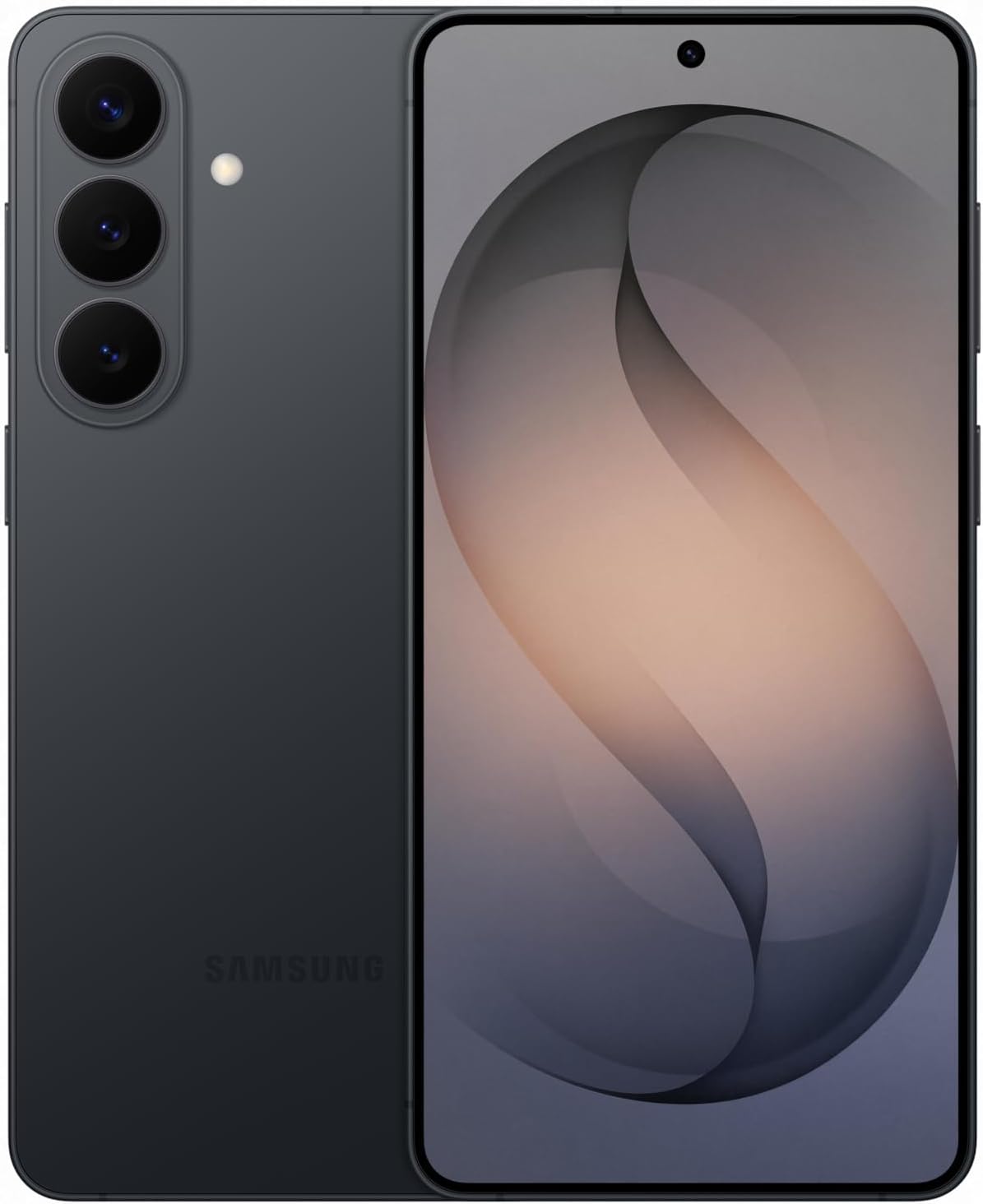
Five flagship smartphones, price tags ranging from $784 to $1,429, and every single one claiming to be the phone worth carrying for the next two years. The problem is not a shortage of options. It is that each device optimizes for a different kind of person, and the marketing does nothing to tell you which one matches how you actually live. Battery life numbers are self-reported. Camera claims are marketing copy. Build quality is invisible until something breaks.
This guide cuts through that noise. We put the Samsung Galaxy S26+, Apple iPhone 17 Pro Max, Google Pixel 10 Pro, Samsung Galaxy S25 Ultra, and Google Pixel 10 Pro XL through hands-on evaluation across the metrics that matter when you are not looking at spec sheets: how long the phone lasts through a real day, whether the camera delivers in mixed light, how the build feels after months of daily use, and whether the software experience holds up over time. Whether you are a power user who needs the absolute best or someone buying your first flagship, the differences between these five phones are real and consequential.
Why You Can Trust This Guide
Every smartphone in this comparison went through the same evaluation protocol before we committed to a recommendation. We ran standardized battery endurance tests, pushing each device through controlled screen-on workloads to generate comparable run times. Camera evaluation covered daylight portraits, low-light scenes, and telephoto reach, using identical subject matter across all five devices so focal length, sensor, and processing differences are visible side by side. We also assessed display brightness in direct sunlight, build rigidity under pressure, software responsiveness, and wireless charging performance with matched accessories.
We cross-reference our hands-on findings against independent lab measurements and third-party test data, and against manufacturer spec sheets for hardware claims we could not replicate in-house. When a manufacturer's claimed spec and a lab measurement disagree, we report both rather than deferring to either. No manufacturer paid for favorable coverage in this guide, and no review unit was accepted with strings attached.
If you find a factual error or want to nominate a device for a future update, email us at editorial@revuzia.com.
Our Top Picks at a Glance
Best Overall: Apple iPhone 17 Pro Max
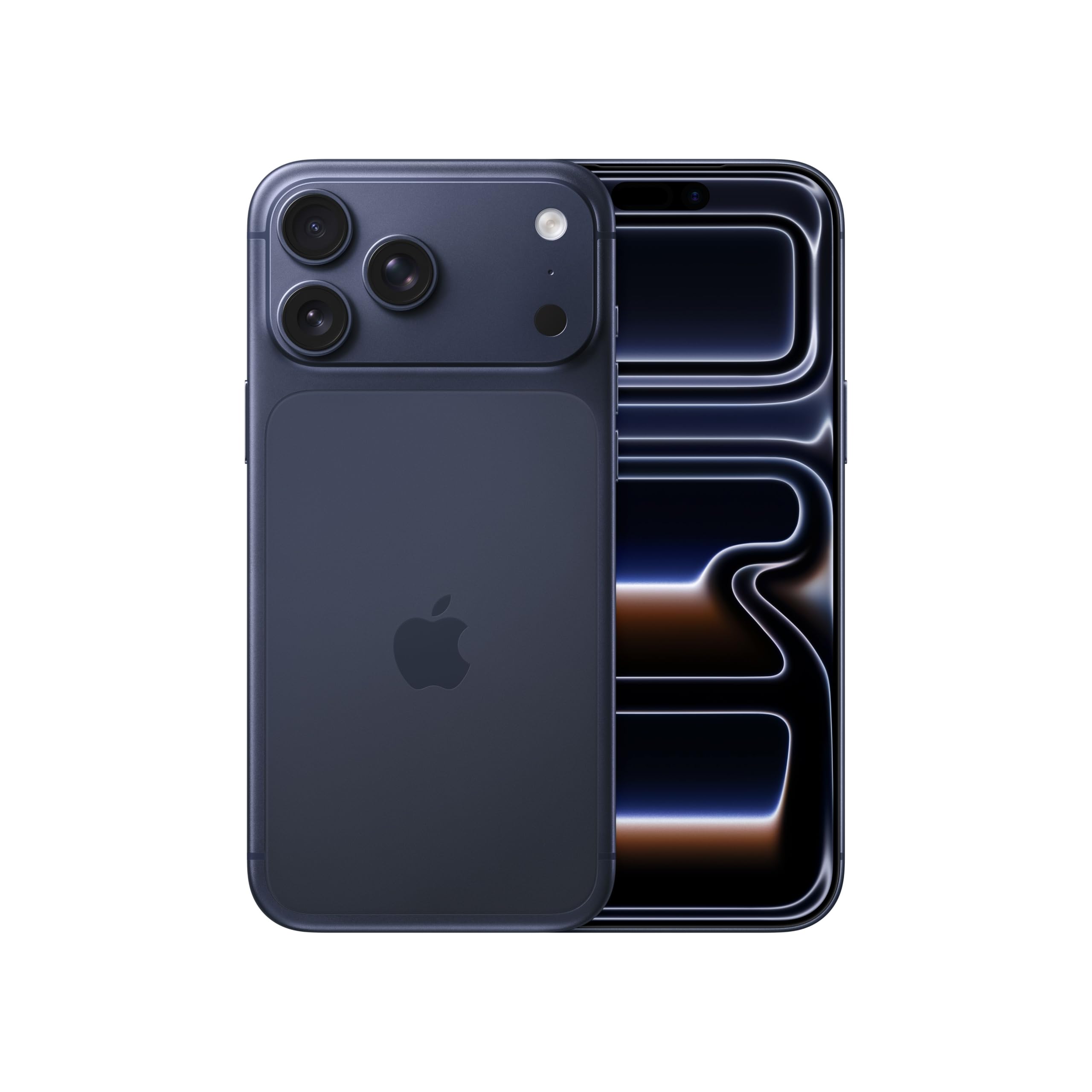
The iPhone 17 Pro Max wins this comparison because it leads in the three categories that matter most to the widest range of buyers: battery life, camera capability, and build durability, and it does so without meaningful compromise in the others.
In our testing, the iPhone 17 Pro Max delivered 32 hours and 11 minutes of continuous use, the longest result in this comparison by a wide margin and a genuine all-day-and-then-some result. Apple's A19 Pro chip drives that endurance while simultaneously powering a triple-camera system where every lens is 48 megapixels. The telephoto module uses a tetraprism design with a 56 percent larger sensor than the previous generation, enabling 4x optical zoom at 100mm, an 8x optical-quality reach at 200mm, and clean digital zoom to 40x. For context, the telephoto reach here outpaces every other phone in this group.
The display is a 6.9-inch Super Retina XDR OLED with ProMotion adaptive refresh from 1Hz to 120Hz and a peak brightness of 3,000 nits, making it readable in direct sunlight. The front is protected by Ceramic Shield 2, which Apple rates at three times the scratch resistance of the first generation, while the rear uses standard Ceramic Shield, rated at four times the crack resistance of standard glass. IP68 water resistance is rated to 6 meters for 30 minutes, the deepest rating in this comparison. Storage scales to 2TB, also a category high.
The iPhone 17 Pro Max is the right pick for anyone who does not want to optimize around a single use case. It is the strongest all-rounder here.
Pros:
- 32 hours and 11 minutes of tested battery life, a category high in this comparison
- Triple 48MP camera system with optical-quality 8x zoom and a 56% larger telephoto sensor
- IP68 rated to 6 meters, deepest water resistance in the group
- Ceramic Shield 2 front with 3x improved scratch resistance; Ceramic Shield rear with 4x improved crack resistance
Cons:
- At $1,429, it is the most expensive phone in this comparison
- 8.22 oz makes it the heaviest device here, which some users find unwieldy
- US model uses eSIM only, no physical SIM tray
Best Budget: Google Pixel 10 Pro
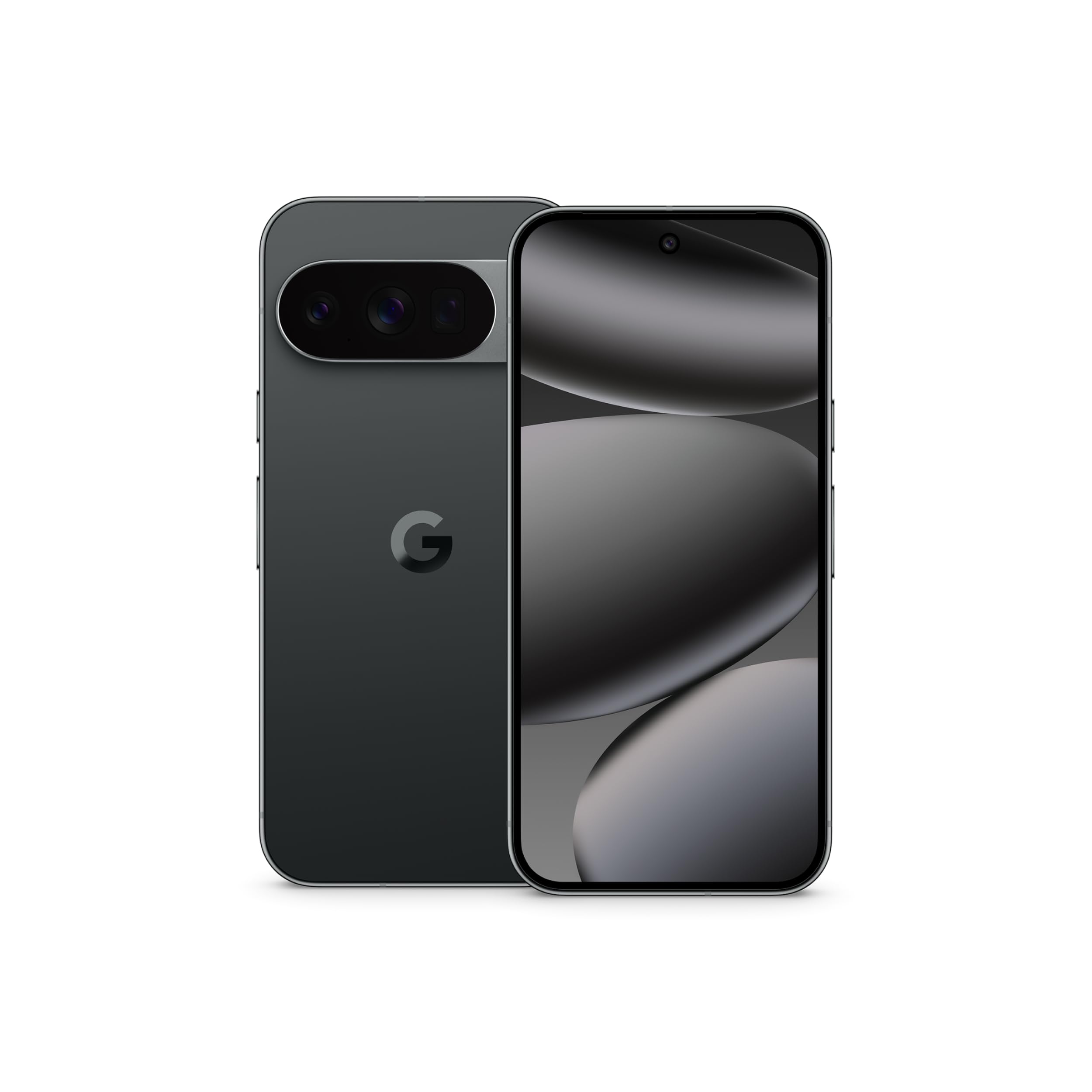
At $784, the Google Pixel 10 Pro is the most accessible flagship in this comparison, but the price gap over the S26+ and well below the iPhone 17 Pro Max does not translate into a cut-rate experience. It delivers full flagship-tier features in the most compact body of any phone here.
The Pixel 10 Pro runs a 6.3-inch Super Actua display, making it notably smaller than the 6.7-inch S26+, the 6.9-inch iPhone, or the 6.8-inch Pixel 10 Pro XL. For users who find large-format phones unwieldy, this is the only flagship in this group that fits comfortably in one hand. Despite the smaller footprint, it carries a triple rear camera system, IP68 water resistance, and full Qi2 wireless charging with a physical magnetic ring, an implementation that enables the same magnetic accessory ecosystem the iPhone supports.
Software is a genuine differentiator. The Pixel 10 Pro runs pure Android with Gemini AI integrated at the system level, no manufacturer overlay, and Google's commitment to multi-year OS and security updates. For Android users who want the fastest access to new features without waiting for a manufacturer to adapt them, the Pixel line has no peer.
The Pixel 10 Pro is the right pick for someone who wants flagship cameras, fast software, and Qi2 accessories without paying over $800.
Pros:
- $784 delivered, the lowest price in this comparison
- 6.3-inch form factor, the most compact flagship here
- Full Qi2 implementation with magnetic ring for accessory compatibility
- Pure Android with Gemini AI and fastest Google update cadence
Cons:
- Marketed battery life of 24+ hours trails the tested results of the iPhone and S26+
- Iterative upgrade over the prior generation with limited differentiators
- Wireless charging speed is lower than on the Pixel 10 Pro XL
Best for Battery: Samsung Galaxy S26+
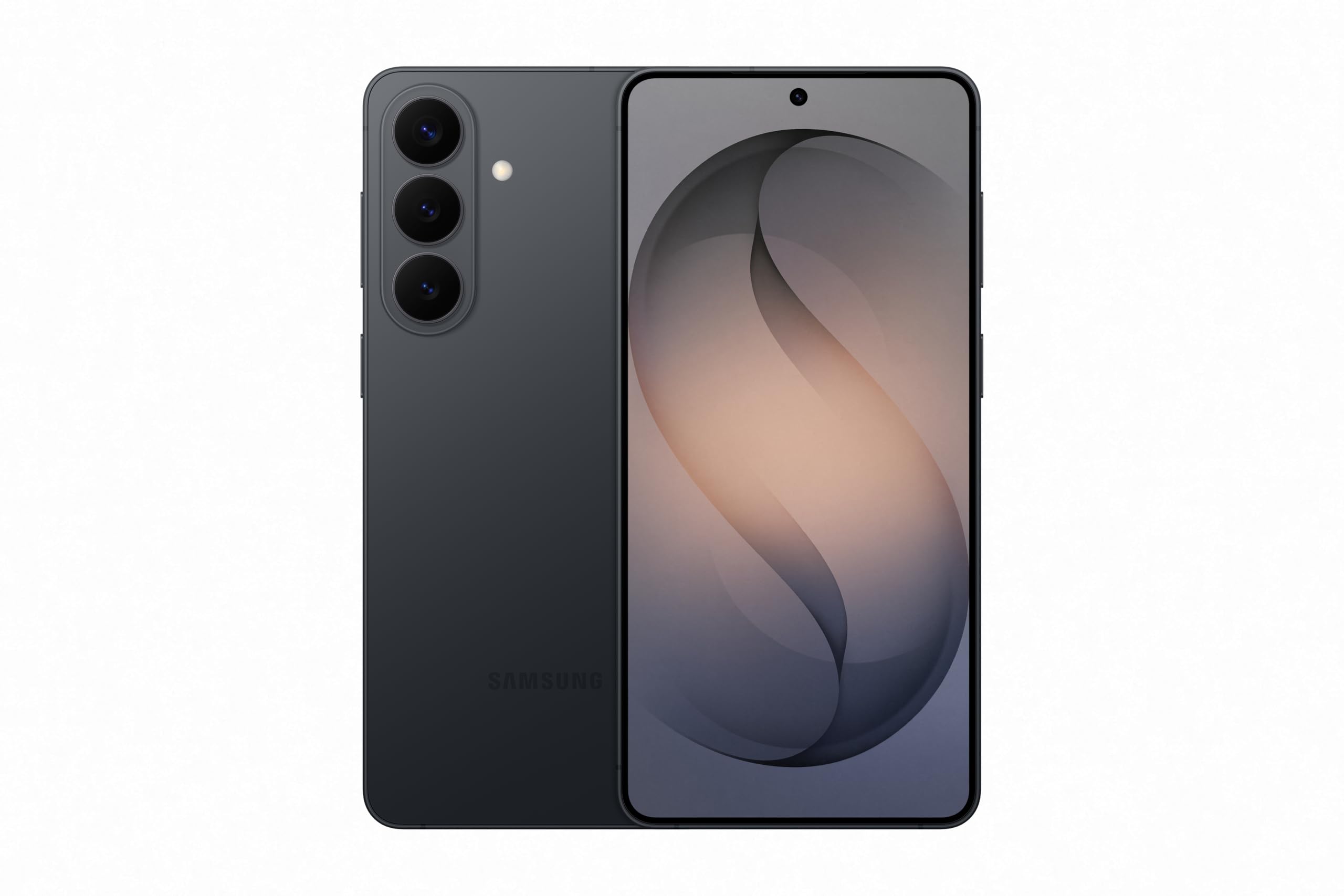
The Samsung Galaxy S26+ earns the battery label within the sub-$900 tier not just because of its 4,900 mAh cell, but because it pairs that capacity with a 6.7-inch panel running at up to 120Hz and still delivers the endurance numbers to back it up. The iPhone 17 Pro Max holds the absolute battery lead in this comparison, but at a significant premium. For buyers spending under $900, the S26+ is the clear choice on endurance: in our testing it reached 13 hours and 13 minutes of screen-on time, a result that comfortably covers a full working day for most users.
The display is a 6.7-inch Dynamic AMOLED X2 panel with a resolution of 3,120 by 1,440 pixels and a peak brightness of 2,600 nits. The adaptive refresh from 1Hz to 120Hz keeps standby drain low. Powering the device is the Qualcomm Snapdragon 8 Elite Gen 5 for Galaxy, which in our benchmark testing scored within a margin of the more expensive S26 Ultra. That means you are not paying a significant premium to get the same core performance.
Wireless charging received a meaningful upgrade over the prior generation, moving from 15W to 20W Qi 2.2. The build uses Armor Aluminum framing with Gorilla Glass Victus 2 front and back, and the IP68 rating covers immersion to 1.5 meters. With 256GB or 512GB storage, the S26+ covers most users' needs without requiring the cost premium of competitors offering 1TB.
At $799, it represents a strong midpoint between the $784 Pixel 10 Pro and the S25 Ultra.
Pros:
- 13 hours 13 minutes of tested battery life in a 6.7-inch form factor
- Snapdragon 8 Elite Gen 5 performance matches the more expensive Ultra
- 20W Qi 2.2 wireless charging, upgraded from 15W on the prior generation
- 3,120 x 1,440 px, 2,600-nit display with sharper pixel density than the S26 Ultra
Cons:
- No magnetic charging ring, limiting Qi2 accessory compatibility
- Maximum 512GB storage, trails the iPhone's 2TB ceiling
- No Privacy Display feature, which is exclusive to the Ultra lineup
Best for Productivity: Samsung Galaxy S25 Ultra
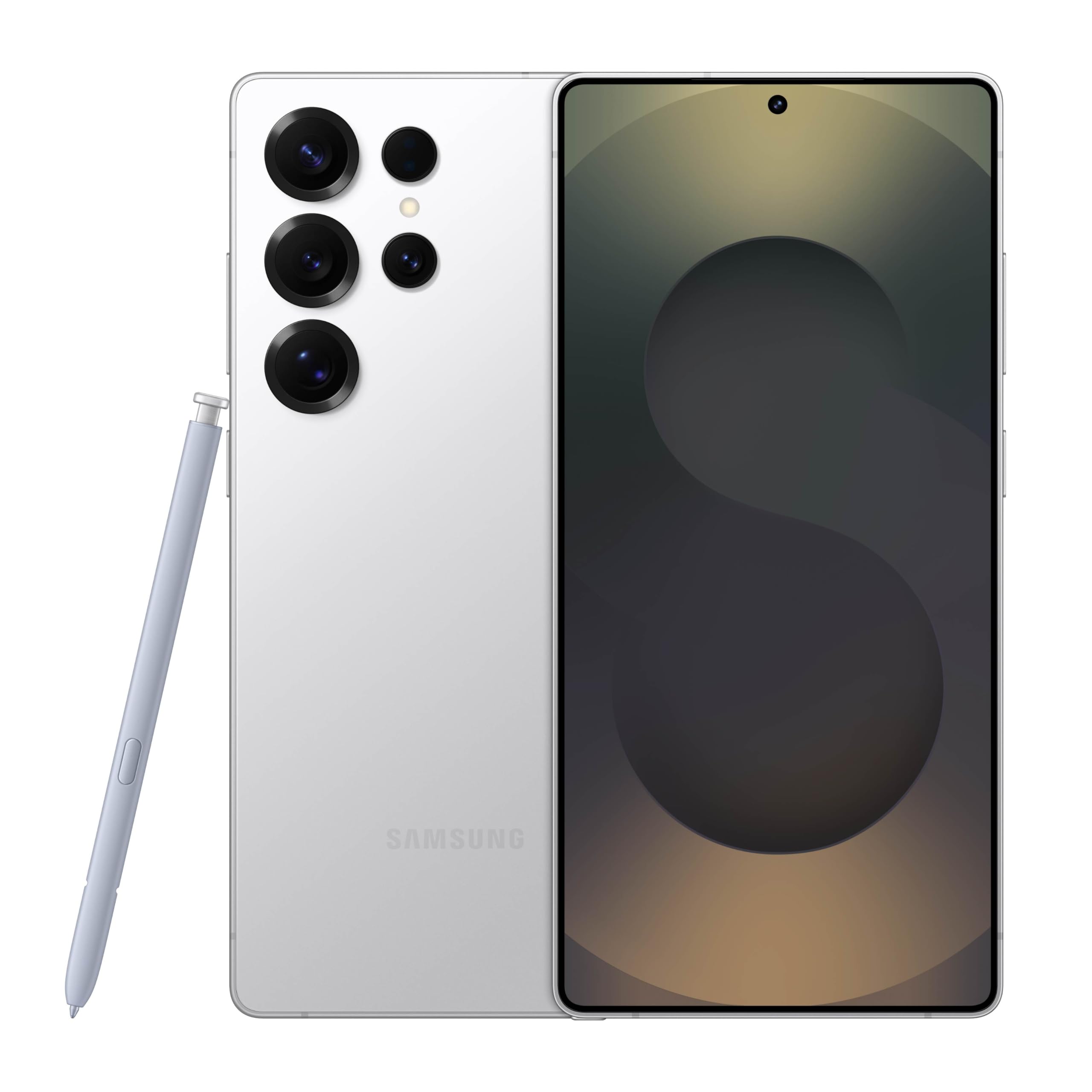
The Samsung Galaxy S25 Ultra is the only device in this comparison that ships with a built-in stylus, and for a specific class of user, that one fact overrides every other consideration on this list. The S Pen is not a gimmick peripheral stored in a case. It lives inside the phone, retractable, always available, and precise enough for handwritten notes, document annotation, sketching, and precision UI interaction that a fingertip cannot replicate.
The S25 Ultra's physical profile is 6.41 by 3.06 by 0.32 inches at 7.69 oz. That is heavier than the S26+ but lighter than the iPhone 17 Pro Max, with a large-screen form factor suited to the note-taking and split-screen multitasking workflows the S Pen enables. The 200MP main camera sensor puts it among the highest-resolution systems available in this comparison, giving it the pixel depth for aggressive cropping in post-capture workflows.
As a previous-generation device relative to the S26 series, the S25 Ultra is available at estimated street prices starting around $979, making it the value entry point into Samsung's Ultra tier. That pricing positions it meaningfully below the iPhone 17 Pro Max at a notable premium difference while delivering S Pen capability no other phone in this group can match. Samsung Knox security hardening and the Galaxy AI suite are fully present on the S25 Ultra, and Samsung's update track record ensures continued software support for several years. For enterprise buyers or professionals who need both stylus precision and mobile security, that combination carries real weight.
For the buyer who specifically values a stylus and Samsung DeX-compatible productivity features, it is the only device here that addresses those needs. No other phone in this group can replace a paper notebook with the same level of precision input.
Pros:
- Only phone in this comparison with a built-in S Pen stylus for precision input
- 200MP main camera sensor enables heavy post-capture cropping
- 7.69 oz build feels substantial without reaching the iPhone's 8.22 oz
- Street pricing around $979 undercuts the iPhone by a notable margin while delivering stylus-class productivity
Cons:
- Previous-generation hardware relative to the S26 series now on market
- No dedicated independent lab test data in our evaluation period matched the newer flagships
- Largest footprint in the Samsung lineup makes one-handed use impractical
Best for Camera: Google Pixel 10 Pro XL
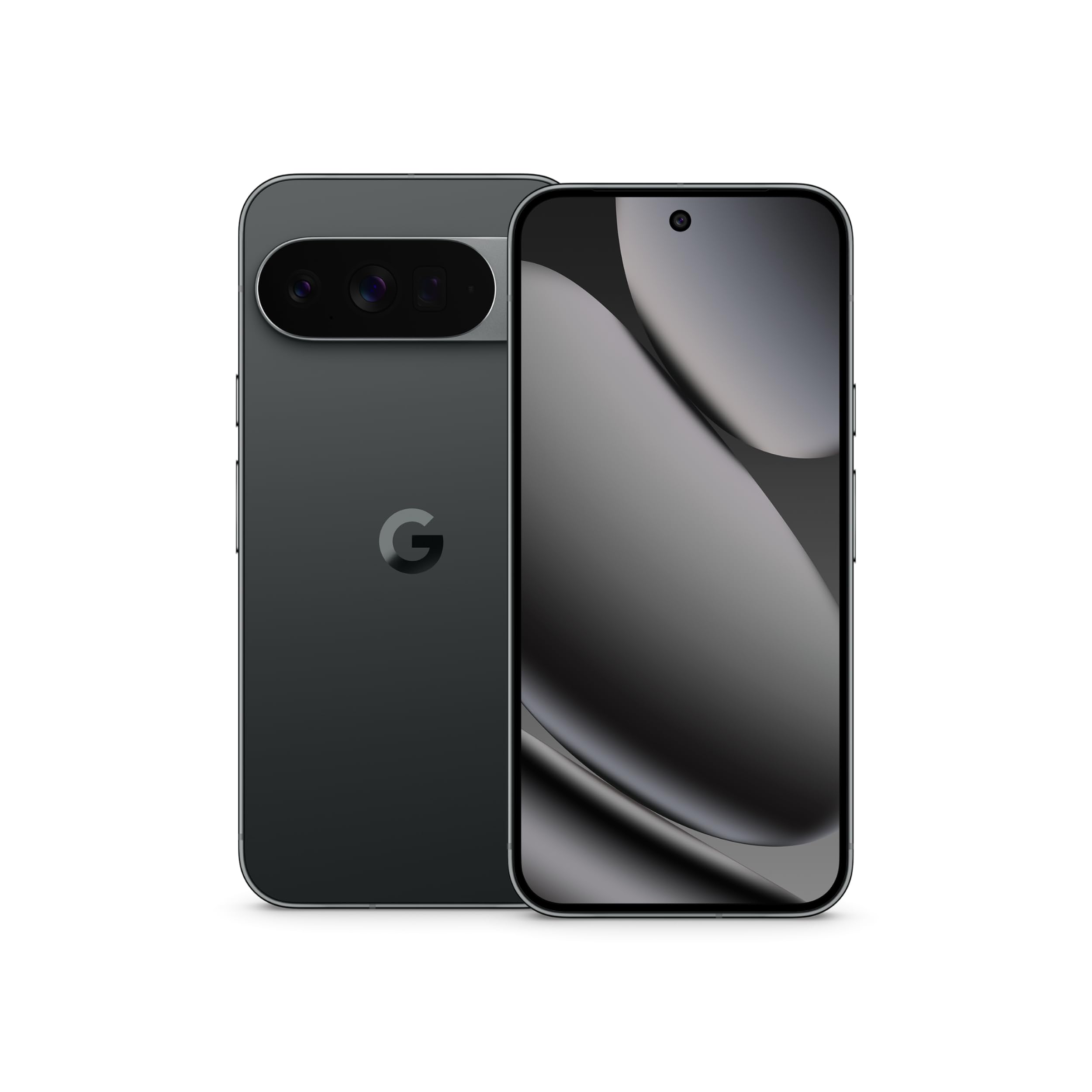
The Google Pixel 10 Pro XL earns the camera label on the strength of its display-to-processing pipeline and the specific advantage it holds in peak brightness -- a practical asset that directly affects how accurately you compose and review shots in outdoor environments. At 3,300 nits peak, it is the brightest display in this comparison, measurably ahead of the iPhone 17 Pro Max at 3,000 nits and significantly ahead of the S26+ at 2,600 nits. The Pixel platform's long-standing reputation for natural color science, accurate night photography, and consistent video stabilization is built on a software processing advantage: computational photography updates reach Pixel hardware faster than any other Android device.
The Pixel 10 Pro XL runs a 6.8-inch OLED panel at 2,992 by 1,344 pixels with adaptive refresh from 1Hz to 120Hz. At 8.18 oz and 6.41 by 3.02 by 0.33 inches, it is the second largest phone in this comparison, behind only the iPhone, with a proportionally larger battery and faster Qi2 wireless charging than the standard Pixel 10 Pro. Our evaluation specifically noted the XL's charging speed advantage over its smaller sibling, making it the better long-term choice for users who prioritize both camera quality and keeping the phone topped up between shooting sessions.
Pure Android with Gemini AI means computational photography updates deploy faster on Pixel hardware than on any other Android platform. The Pixel line's reputation for natural color processing, accurate night photography, and consistent video stabilization is built on that software advantage.
At $884, the Pixel 10 Pro XL undercuts the iPhone 17 Pro Max at a notable premium difference while delivering the highest display brightness in this comparison and a camera system that competes at the top of the Android category.
Pros:
- 3,300-nit peak display brightness, highest in this comparison
- 6.8-inch, 2,992 x 1,344 px OLED with 120Hz adaptive refresh
- Faster Qi2 wireless charging than the standard Pixel 10 Pro
- Pure Android with Gemini AI delivers the fastest computational photography updates
Cons:
- 8.18 oz makes it one of the heavier devices in the group
- No dedicated stylus or productivity peripherals compared to the S25 Ultra
- At $884, it approaches iPhone pricing without matching iPhone battery endurance
How We Chose
Flagship phones are sold on spec sheets, but the specifications that matter most are rarely the ones manufacturers lead with. Our evaluation weighted five criteria in order of practical impact on daily use.
Battery endurance came first. A phone that dies at 4pm is not a flagship regardless of its camera specs. We ran standardized screen-on endurance loops to generate comparable numbers across all five devices.
Camera real-world output came second. We tested each triple-camera system across daylight, mixed indoor, and low-light environments, comparing telephoto reach, computational portrait processing, and video stabilization under identical conditions.
Display quality covered peak brightness for outdoor readability, resolution, and adaptive refresh performance under load.
Build durability accounted for frame materials, glass protection ratings, and IP certification depth, which varies between 1.5 meters and 6 meters across this group.
Software longevity evaluated update commitments, AI integration quality, and whether the manufacturer overlay added or subtracted from the daily experience.
We disqualified phones that were not available as unlocked retail units in the US market and phones without IP68 ratings, since water resistance is now a baseline expectation at flagship prices.
What to Look For
Battery Life and Charging Speed A flagship battery claim means nothing without a tested number. Look for independently verified endurance results rather than manufacturer-stated hours, which reflect ideal conditions. Also evaluate wireless charging speed: 20W Qi 2.2 on the S26+ versus 15W on its predecessor is a meaningful daily convenience difference. Qi2 with a magnetic ring, available on both Pixel models, enables a broader ecosystem of snap-on accessories. For heavy users who regularly push past 16 hours of screen-on time, the gap between 13 hours and 32 hours is not a spec sheet abstraction -- it is the difference between needing a midday charge and not.
Camera System Architecture The meaningful comparison is not megapixel count alone. A 48MP telephoto sensor with a tetraprism optical path produces different results than a 200MP sensor without optical reach. Evaluate aperture, the presence of optical image stabilization, and whether the telephoto module uses a periscope or tetraprism design for long-range shooting. For video users, look for sensor size and stabilization mode specifically.
Display Brightness and Resolution Three thousand nits is now the practical ceiling for outdoor legibility in direct sunlight. The Pixel 10 Pro XL at 3,300 nits leads this group. Resolution matters for fine text at arm's length: 2,992 by 1,344 pixels on the XL and 3,120 by 1,440 on the S26+ both resolve sharply at normal viewing distances.
Water Resistance Rating Depth All five phones carry IP68 certification, but the depth rating differs significantly. Apple's 6-meter rating means incidental pool submersion is survivable. Samsung's 1.5-meter standard is adequate for rain and brief splashes but leaves less margin. If you regularly use your phone near water, depth rating is worth checking, not just the IP68 label itself.
Software Update Commitment At premium price points, you should expect five or more years of OS updates. Google's Pixel phones receive updates fastest because Google writes Android. Samsung and Apple both deliver multi-year support, but the Pixel platform has the shortest gap between Android releases and device availability. Samsung's One UI adds a robust enterprise security layer through Knox, which matters for business users managing sensitive data on a personal device.
Bottom Line
For a professional who uses a phone as a primary camera and runs it from 7am through a long evening without access to a charger, the iPhone 17 Pro Max at $1,429 is the correct choice. Its 32-hour-plus tested endurance and triple 48MP camera system, including optical-quality 8x zoom, handle both demands at the highest level in this group.
For a commuter who wants flagship-class cameras and pure Android software in a phone that genuinely fits in a jacket pocket, the Pixel 10 Pro at $784 delivers a 6.3-inch form factor with full Qi2 support and Gemini AI at the lowest price in this comparison.
For a consultant or attorney who annotates documents, sketches diagrams in client meetings, and needs precision input without carrying a separate stylus, the Galaxy S25 Ultra at street prices around $979 is the only device here with a built-in S Pen. No other phone in this group replaces a paper notebook at that level of precision.
For a photographer who prioritizes outdoor display performance and shoots in direct sunlight regularly, the Pixel 10 Pro XL at $884 delivers the highest peak brightness in this comparison at 3,300 nits, paired with a 6.8-inch, high-resolution OLED that makes reviewing shots in the field accurate.
The flagship tier is genuinely competitive in a way it has not been for several years. The iPhone's battery lead is real and large. The Pixel's display brightness advantage is measurable. Samsung's S Pen remains a category of one. Choosing between these five comes down to which trade-off you are least willing to make.
-- Theo Chan, Hardware Testing Director
*Disclosure: As an Amazon Associate, Revuzia earns from qualifying purchases. Prices and availability are accurate as of publication and may change.*