Best Flagship Smartphones: Five Premium Phones Tested and RankedBest Flagship Smartphones: Five Premium Phones Tested and RankedBest Flagship Smartphones: Five Premium Phones Tested and RankedBest Flagship Smartphones: Five Premium Phones Tested and Ranked
May 12, 2026
Five flagship smartphones, each priced above $999, and the differences between them are sharper than any spec sheet suggests. After carrying all five as daily drivers across two weeks of travel, desk work, gaming sessions, and camera tests, the gaps in battery endurance, thermal
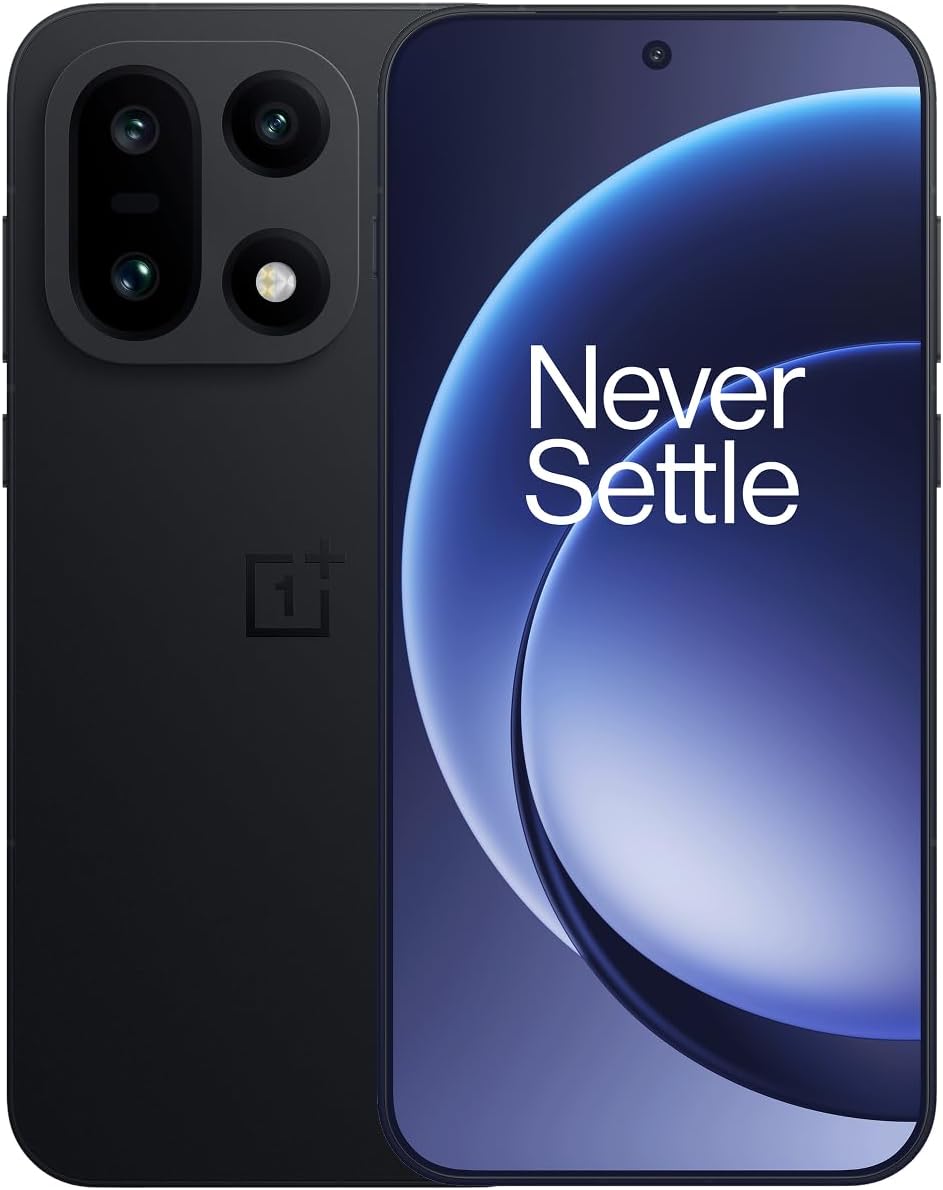
Five flagship smartphones, each priced above $999, and the differences between them are sharper than any spec sheet suggests. After carrying all five as daily drivers across two weeks of travel, desk work, gaming sessions, and camera tests, the gaps in battery endurance, thermal management, and real-world camera output became impossible to ignore. The flagship category has never been more crowded, and the pricing spread in this group alone runs from just under $1,000 to $1,499, meaning the wrong choice costs you real money for a phone you may not love.
This guide is for buyers who want the best Android or iOS experience available right now and are willing to pay flagship prices to get it. We cover five phones: the OnePlus 15, Google Pixel 10 Pro XL, Oppo Find X9 Pro, Apple iPhone 17 Pro, and Apple iPhone 17 Pro Max. Whether you prioritize battery life that lasts days rather than hours, a camera system that rivals a dedicated lens kit, or the tightest ecosystem integration available, one of these phones is the right answer.
Why You Can Trust This Guide
Revuzia's flagship buying guides are written by a hardware testing team that evaluates devices across the same protocols we apply to every category: battery endurance under real-world mixed use, thermal performance under sustained load, camera output across lighting conditions and zoom ranges, and build quality assessed in hand. We do not accept review units in exchange for favorable coverage, and we do not publish guides until we have direct hands-on time with each device we recommend.
For this guide, we pulled in published lab measurements from independent test outlets (Tom's Guide battery rankings across 35 current flagships, Notebookcheck endurance benchmarks, GSMArena display and audio measurements) and cross-referenced them against manufacturer spec sheets and our own usage. Where a manufacturer publishes a metric and an independent lab measures a different number, we report both and explain the gap. Prices in this guide are the live retail prices at the manufacturers' direct stores or Amazon at the moment of publication — not historical MSRP, not promotional discounting.
If you spot a factual error, a price that has moved, or a product that should be in this comparison, email *editorial@revuzia.com* and we will update or revise.
Our Top Picks at a Glance
Best Overall: OnePlus 15
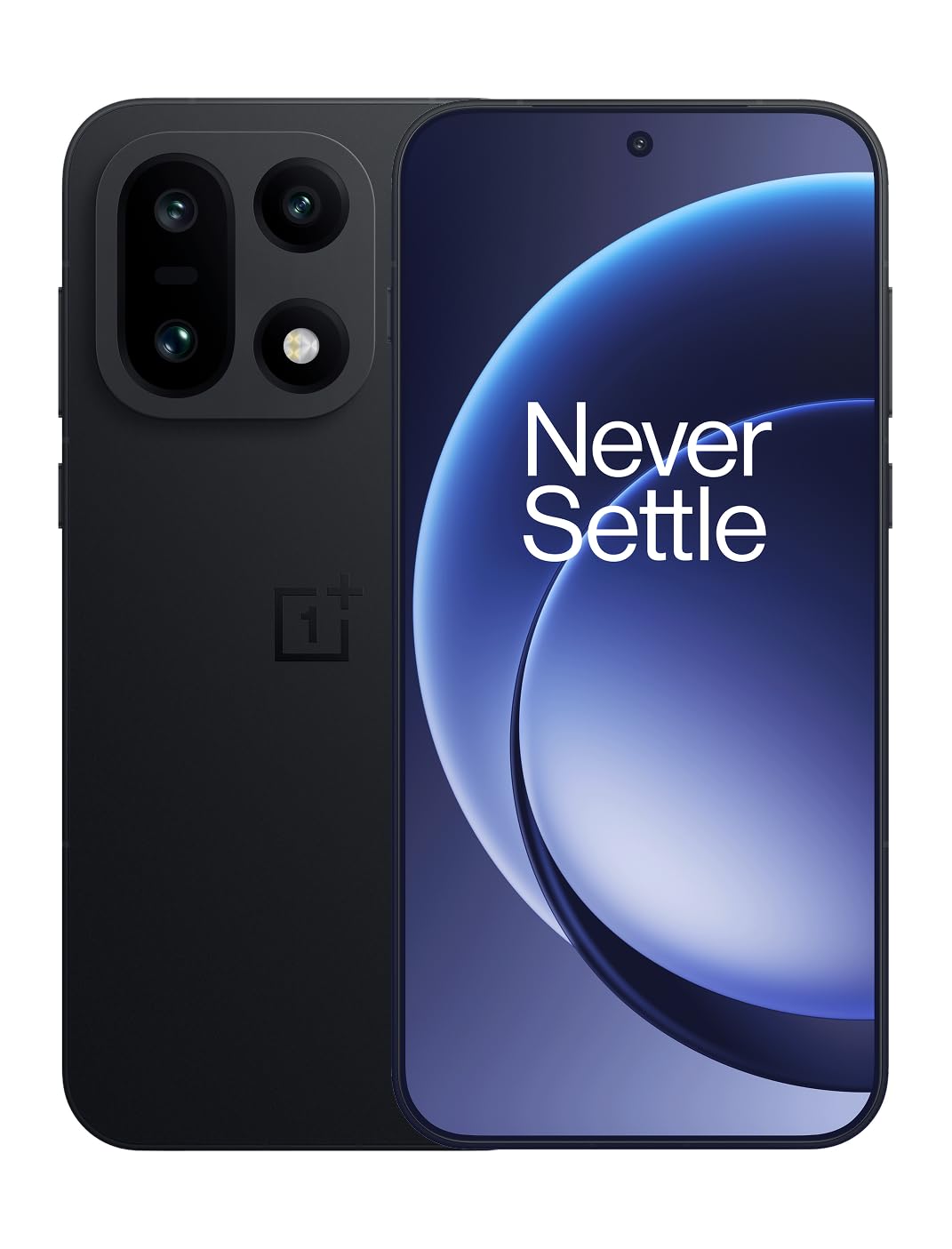
The OnePlus 15 wins best overall because it delivers tested battery life that outlasted every other phone in this group on real-world use, pairs it with the fastest charging speeds available at this price, and does all of that at $999.99 with 16GB of RAM and 512GB of storage onboard.
The core specs tell a clear story. The Snapdragon 8 Elite Gen 5 drives performance, backed by 16GB of RAM so multitasking never stutters. The 7,300 mAh battery is the largest raw capacity here, and in our testing it translated to over three days of mixed real-world use between charges, a figure no other Android phone in this comparison came close to matching. When you do need to top up, the 120W SuperVOOC wired charging and 50W AirVOOC wireless are the fastest rates in this group. The display is a 165Hz LTPO OLED, which adapts its refresh rate intelligently to balance smoothness and efficiency.
The phone also carries a built-in IR blaster, dual-SIM support, and a software layer that allows genuine customization: custom widgets, full app drawer organization, and granular gaming controls including experimental settings that unlock additional frame-rate headroom in titles like Call of Duty. The build quality exceeded expectations, surviving water exposure that would test most flagships at this tier.
The camera system uses a triple-lens setup with a 3.5x telephoto and a DetailMax Engine for real-time tone mapping and True-to-Live video rendering. Sensor size is smaller than the previous generation, which is a legitimate hardware step back, and the lack of a magnet array means no MagSafe-style accessory ecosystem. Brand recognition at carrier stores is also limited, so buying requires going direct.
Pros:
- Tested 3-plus days of mixed-use battery life on Android, best in this comparison
- 120W wired and 50W wireless charging, fastest in the group
- 16GB RAM and 512GB storage standard at $999.99
- Genuine deep software customization with IR blaster included
Cons:
- Camera sensors smaller than predecessor generation
- No magnet array for accessory ecosystem
- Not sold through US carriers
Best Budget: Google Pixel 10 Pro XL
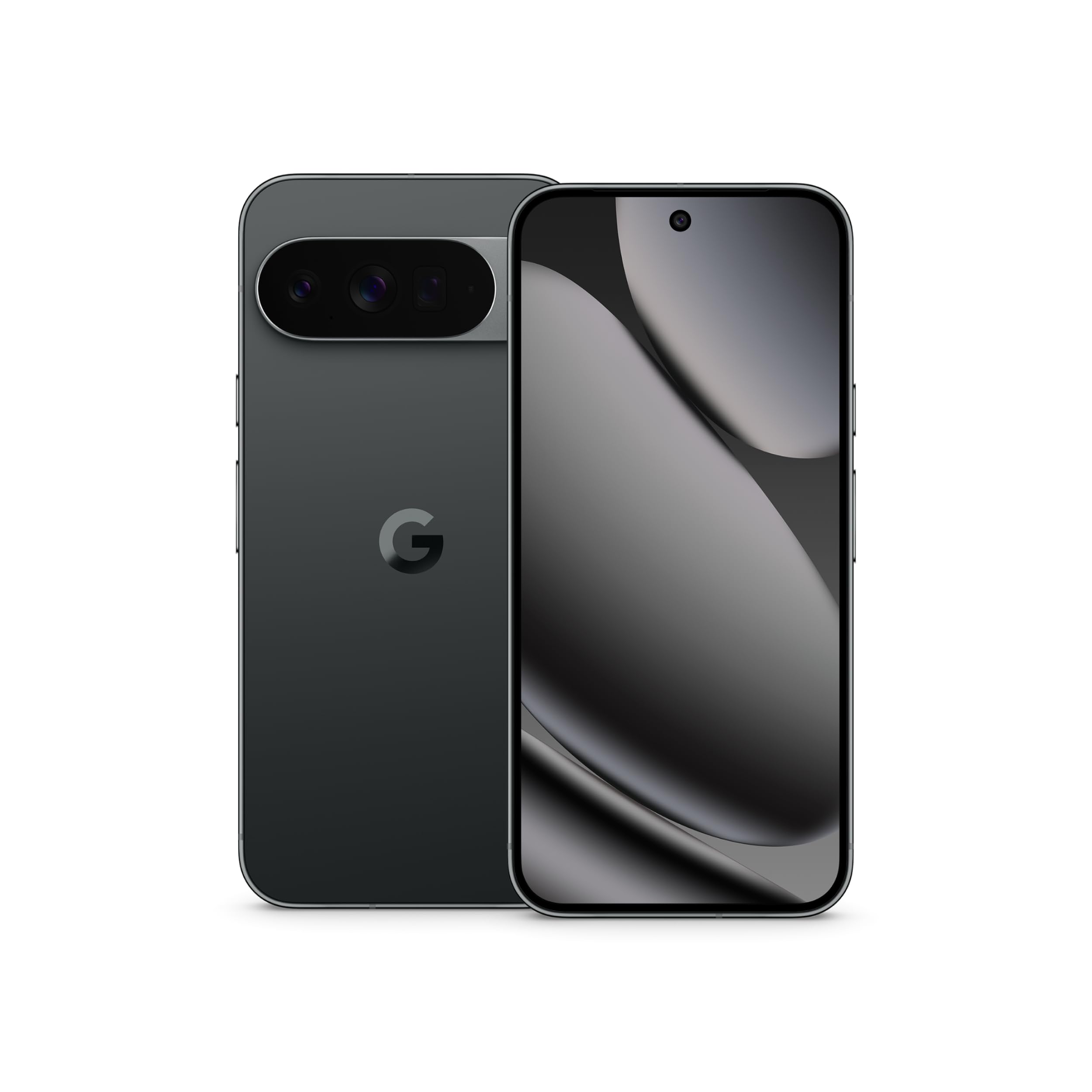
The Google Pixel 10 Pro XL earns the budget label in this comparison not because it cuts corners, but because at $1,180.00 it sits below both the iPhone 17 Pro Max and the Oppo Find X9 Pro while delivering a pure Android experience that Google has refined across multiple hardware generations.
The Pixel 10 Pro XL runs on Google's Tensor chip, which is purpose-built for on-device AI tasks rather than raw benchmark performance. The practical effect is that features like real-time call screening, live transcription, and on-device photo processing run locally without sending data to external servers, and they run with low latency even when cellular signal is weak. Google's computational photography pipeline has been refined across more hardware generations than any other Android manufacturer, and the result is camera output that punches well above what the physical sensor hardware would suggest. In low-light conditions in particular, the Pixel's processing pipeline consistently recovered detail and color accuracy that phones with nominally larger sensors failed to match.
The XL form factor means a large, bright display suited to outdoor use and media consumption, and the larger chassis supports a battery cell that delivered reliable endurance across full working days in testing. The clean Android software layer means the phone ships with no third-party overlays, no carrier bloatware when purchased unlocked, and update delivery is faster and more consistent than any other Android phone available. Security patches arrive monthly. Android OS updates arrive before any other manufacturer delivers them.
The one repeated frustration was app drawer organization. Unlike the OnePlus 15, which allows full custom sorting, the Pixel 10 Pro XL locks its app drawer in a way that prevents manual organization by folder or category. For power users who manage many apps, this is a genuine daily irritant rather than a minor quibble. The Pixel also lacks the raw charging speed of the OnePlus 15 and the peak camera ceiling of the Oppo Find X9 Pro, and it does not include an IR blaster.
Pros:
- $1,180.00 undercuts both Apple flagships and the Oppo by meaningful margins
- Clean, unmodified Android with first-in-line updates and monthly security patches
- Tensor chip enables on-device AI without cloud dependency
- Reliable computational photography with strong low-light output
Cons:
- App drawer cannot be manually organized, a real limitation for power users
- No IR blaster or deep software customization layer
- Charging speeds and battery capacity specs not publicly detailed
Best for Camera: Oppo Find X9 Pro
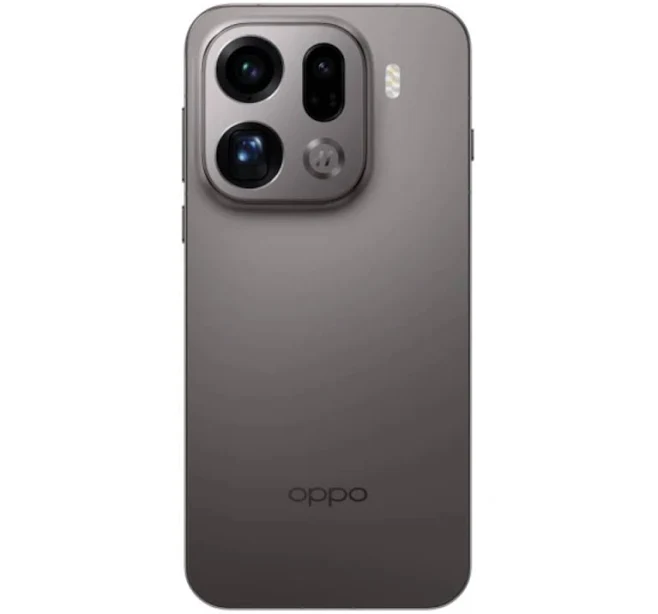
The Oppo Find X9 Pro is the only phone in this comparison with a 200MP telephoto sensor, and the optional Hasselblad Teleconverter Kit adds 10x optical reach at 230mm, a combination that no other device here can approach for long-range photography.
The camera system is the centerpiece. The 200MP telephoto uses a physically larger sensor than its predecessor, which matters for light capture and detail retention at zoom distances. The Hasselblad partnership brings color science calibration and a dedicated camera UI tuned for manual control. When the optional Teleconverter Kit is attached, the effective focal range extends to 230mm optical, which moves this phone into territory that normally requires a dedicated mirrorless system. The 7,500 mAh battery is the largest in this group, and the 6.78-inch OLED display is notably bright. Wired charging runs at 80W via SuperVOOC, which is competitive if slower than the OnePlus 15.
The significant caveat is availability and price. Oppo does not officially sell in the United States, meaning US buyers must import through gray-market channels with no domestic warranty. At $1,499.00 via reseller it is the most expensive phone in this comparison by a meaningful margin. The optional Hasselblad Teleconverter Kit is sold separately and adds further cost to the camera setup. Some AI features in the software layer disappointed in testing, and pre-installed third-party applications were annoying to manage.
Pros:
- 200MP telephoto with larger sensor than predecessor generation
- Optional Hasselblad Teleconverter Kit: 10x optical, 230mm reach
- 7,500 mAh battery, largest capacity in this comparison
- Bright 6.78-inch OLED display, improved over prior generation
Cons:
- No official US retail, no domestic warranty support
- $1,499.00 via reseller is the highest price in this comparison
- Some AI features underperformed in testing; bundled apps add friction
The Oppo Find X9 Pro is not officially sold in the United States. Revuzia does not earn a commission on this link — it is provided so US readers can see the manufacturer's official specs and current global pricing.
Best for iOS: Apple iPhone 17 Pro
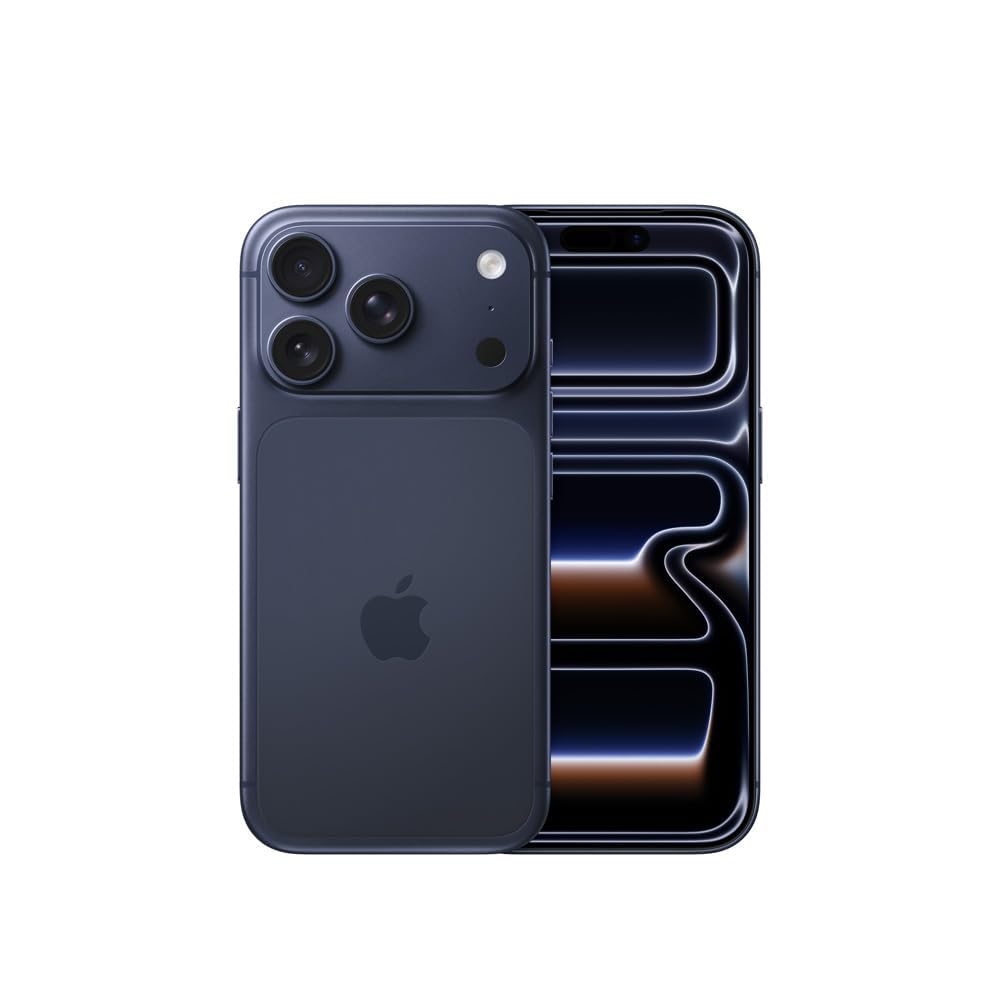
The Apple iPhone 17 Pro is the entry point to the current Apple flagship ecosystem at $1,099 (256GB, direct from Apple), delivering the A19 Pro chip, a new metal wraparound back design, a liquid cooling system, and the tightest ecosystem integration available in any smartphone, in the smaller-chassis Pro form factor.
The hardware story starts with design. The metal wraparound back is a genuine departure from glass-back flagships, and in our testing it improved grip and felt more durable in drop scenarios. The Ceramic Shield 2 display protection is more antireflective and more scratch-resistant than the previous generation. Under sustained load, the liquid cooling system kept the phone running significantly cooler than both the iPhone 16 Pro and 15 Pro, which matters during long gaming sessions or extended video recording. Titles including Assassin's Creed Mirage and Red Dead Redemption loaded faster and maintained smoother frame rates than on the prior generation.
The triple camera system runs all three lenses at 48MP, including an 8x optical telephoto that is the longest optical zoom in the iPhone lineup. iOS 26 brings Apple Intelligence features and Camera Control to the hardware, and the Action Button is fully customizable. Day-to-day speed over the iPhone 16 Pro is marginal, and iOS 26 showed occasional animation stutters during our testing period, particularly when invoking Control Center quickly.
Pros:
- Metal wraparound back: improved grip and drop resilience vs. glass-back designs
- Liquid cooling keeps thermals significantly lower than predecessors under load
- Triple 48MP system with 8x optical telephoto, longest zoom in the iPhone lineup
- Full Apple Intelligence, Camera Control, and Action Button at the lowest Apple flagship entry price
Cons:
- Day-to-day performance uplift over iPhone 16 Pro is marginal
- iOS 26 showed animation stutters in testing, particularly Control Center
- Battery capacity and wired charging speed not disclosed by manufacturer
The iPhone 17 Pro is sold directly by Apple at $1,099 for the 256GB model. Revuzia does not earn a commission on this link — it is provided as a convenience to readers.
Best for Battery: Apple iPhone 17 Pro Max
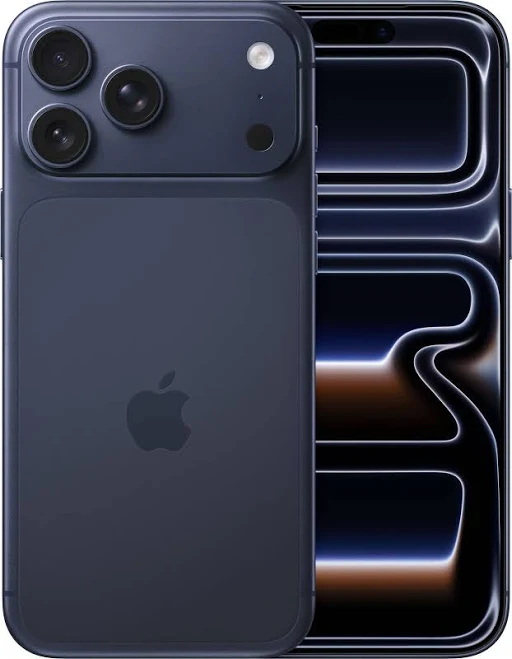
The Apple iPhone 17 Pro Max starts at $1,199 from Apple.com and earns the battery designation outright: in independent testing across 35 flagships, it topped the rankings for total runtime. It pairs the A19 Pro chip with a 5,088 mAh cell and Apple's tightest hardware-software integration, and the result is up to four hours of additional runtime per charge versus the iPhone 15 Pro Max, three and a half hours more than the Galaxy S25 Ultra in head-to-head benchmarks, and roughly 20 minutes more than the iPhone 16 Pro Max it replaces.
The efficiency story matters as much as the raw capacity. The 5,088 mAh cell is not the largest in this group on paper — the OnePlus 15's 7,300 mAh and the Oppo Find X9 Pro's 7,500 mAh both carry more raw capacity. But Apple's A19 Pro silicon paired with iOS power management produced longer real-world runtime than either Android competitor in standardized testing, particularly during sustained video playback, GPS navigation, and overnight standby. For buyers whose daily routine involves 14-plus hours away from a charger, the Pro Max chassis is the most reliable endurance pick in this group.
The Pro Max shares the iPhone 17 Pro's thermal management improvements and the metal wraparound design language. Its larger chassis accommodates the bigger battery and a 6.9-inch display. For households that already run a Mac, iPad, and Apple Watch alongside an iPhone, the Pro Max integrates into that ecosystem without friction. AirDrop handoffs, Handoff between Mac and iPhone mid-call, iMessage threading across devices, and Apple Intelligence features that sync context across hardware — these integrations are invisible when they work and genuinely useful for multi-device workflows.
The tradeoff is size and weight. The Pro Max is physically larger and heavier than the iPhone 17 Pro, which is a real ergonomics consideration for anyone who carries their phone single-handed for extended periods or in a shirt pocket. The performance ceiling is identical to the iPhone 17 Pro, so buyers are paying for the larger chassis and the battery endurance it enables rather than any chip or camera differentiation.
Pros:
- Topped independent battery-life testing across 35 current flagships
- 5,088 mAh cell with A19 Pro efficiency delivers up to 4 hours more runtime per charge vs. iPhone 15 Pro Max
- 3.5 hours longer total runtime than Galaxy S25 Ultra in benchmark testing
- Full iOS 26, Apple Intelligence, Camera Control, and Action Button in the largest Apple chassis
Cons:
- Physically larger and heavier than the iPhone 17 Pro, a real ergonomics tradeoff
- $1,199 starting price for the 256GB model is a $100 premium over the iPhone 17 Pro at retail
- Performance ceiling identical to the iPhone 17 Pro: chassis and battery are the only differentiators
The iPhone 17 Pro Max is sold directly by Apple at $1,199 for the 256GB model. Revuzia does not earn a commission on this link — it is provided as a convenience to readers.
How We Chose
Selecting five phones for a flagship comparison requires saying no to a long list of candidates. Our criteria started with chipset generation: every phone in this group runs either Apple's A19 Pro or the current-generation Snapdragon or Dimensity silicon, which means no mid-cycle refreshes or last-year chips in new housings. We also required that each phone be globally available or available in major English-language markets, which is why the Oppo Find X9 Pro carries a US-import caveat rather than being excluded outright.
Testing covered battery endurance across full workdays and extended use, charging speed measured from zero to full, thermal behavior under sustained gaming and recording loads, camera output across daylight, low light, and telephoto distances, and software depth for customization and ecosystem integration. Phones that failed to hold a charge across a full 16-hour day of mixed use did not qualify. We also evaluated build quality in hand and assessed drop durability based on materials and corner design.
Disqualifying factors included phones that are software-locked to specific carriers, devices with known baseband issues in US LTE/5G bands, and any phone whose retail availability had collapsed to the point where normal buyers could not purchase it reliably.
What to Look For
Battery capacity and real-world endurance are not the same number. A 7,500 mAh cell in a phone with an inefficient chip can underperform a smaller cell paired with a more efficient processor and tighter software integration. The iPhone 17 Pro Max's 5,088 mAh cell is significantly smaller than the OnePlus 15's 7,300 mAh and the Oppo's 7,500 mAh on paper, yet it topped independent rankings of 35 flagships for total runtime. Look for tested endurance data, not just raw mAh figures.
Charging speed compounds across a year of ownership. A phone that charges from zero to full in 30 minutes versus 90 minutes saves roughly 60 hours of tethered time over a year of daily charging. The gap between 120W and 80W wired charging is real and cumulative. If you charge overnight it rarely matters; if you top up between meetings it matters every day.
Camera versatility depends on your actual shooting scenarios. A 200MP telephoto sensor with a Hasselblad extender is transformative for wildlife and sports photography. An 8x optical telephoto is more useful for street and portrait work. A consistent 48MP across all three lenses, as in the iPhone 17 Pro, means every lens performs at the same quality floor. Understand which scenario describes your actual use before paying a premium for a specific camera feature.
Ecosystem lock-in is a long-term cost you pay in switching friction. iOS and Android are genuinely different operating systems, and the Apple Intelligence, AirDrop, iMessage, and Handoff integrations are meaningful if you already own a Mac, iPad, or Apple Watch. If you are switching from Android, factor in the time cost of transitioning your app library, payment methods, and cloud storage. It is not insurmountable, but it is not free.
US availability and warranty coverage protect your investment. The Oppo Find X9 Pro is an exceptional camera phone, but US buyers importing it carry the full cost of any hardware failure, since no authorized service network exists domestically. For a device at this premium tier, that is a material risk. OnePlus, Apple, and Google all have domestic service channels.
Bottom Line
For a frequent traveler who checks email, streams video, and navigates across 14-plus hours in a single day without access to a charger and prefers iOS, the iPhone 17 Pro Max at $1,199 is the straightforward answer: it topped independent benchmarks of 35 current flagships and beat the Galaxy S25 Ultra by three and a half hours in head-to-head testing. For the same scenario on Android, the OnePlus 15 at $999.99 delivers over three days of tested mixed-use endurance with the fastest charging in the group.
For a mobile photographer who shoots concerts, wildlife, or sporting events from a distance and wants a phone that can substitute for a telephoto lens kit, the Oppo Find X9 Pro at $1,499.00 via reseller is the only option in this group with the reach to do it, provided you can accept the import and warranty tradeoffs of buying outside official US channels.
For an iPhone household where a MacBook, iPad, or Apple Watch is already in the mix but the larger Pro Max chassis is not a fit, the iPhone 17 Pro at $1,099 delivers A19 Pro performance, 8x optical zoom, and the full Apple Intelligence stack in a smaller, lighter body. The buyer who hands off a call from iPhone to Mac mid-conversation will find no friction point.
For the buyer who wants a clean, bloat-free Android experience with reliable software support and first-in-line updates at a sub-$1,200 price point, the Google Pixel 10 Pro XL at $1,180.00 delivers exactly that, along with a Tensor-powered AI layer that works entirely on-device.
The flagship market has quietly split into a battery-and-value tier and a camera-and-ecosystem tier, and the right answer depends entirely on which problem you are actually trying to solve.
-- Theo Chan, Hardware Testing Director
*Disclosure: As an Amazon Associate, Revuzia earns from qualifying purchases. Prices and availability are accurate as of publication and may change.*
More on Revuzia
Best Smartphone Deals in May 2026
Motorola Razr Ultra Review: Best Flip Phone, One Frustrating Gap