Best Flagship Smartphones: Five Phones Ranked by Real-World PerformanceBest Flagship Smartphones: Five Phones Ranked by Real-World PerformanceBest Flagship Smartphones: Five Phones Ranked by Real-World PerformanceBest Flagship Smartphones: Five Phones Ranked by Real-World Performance
May 27, 2026
Five flagship phones now compete in a segment where the gap between the best and worst buying decision spans hundreds of dollars and years of regret. The flagship segment has fractured into more distinct categories than ever before: a foldable compact that fits in a jacket
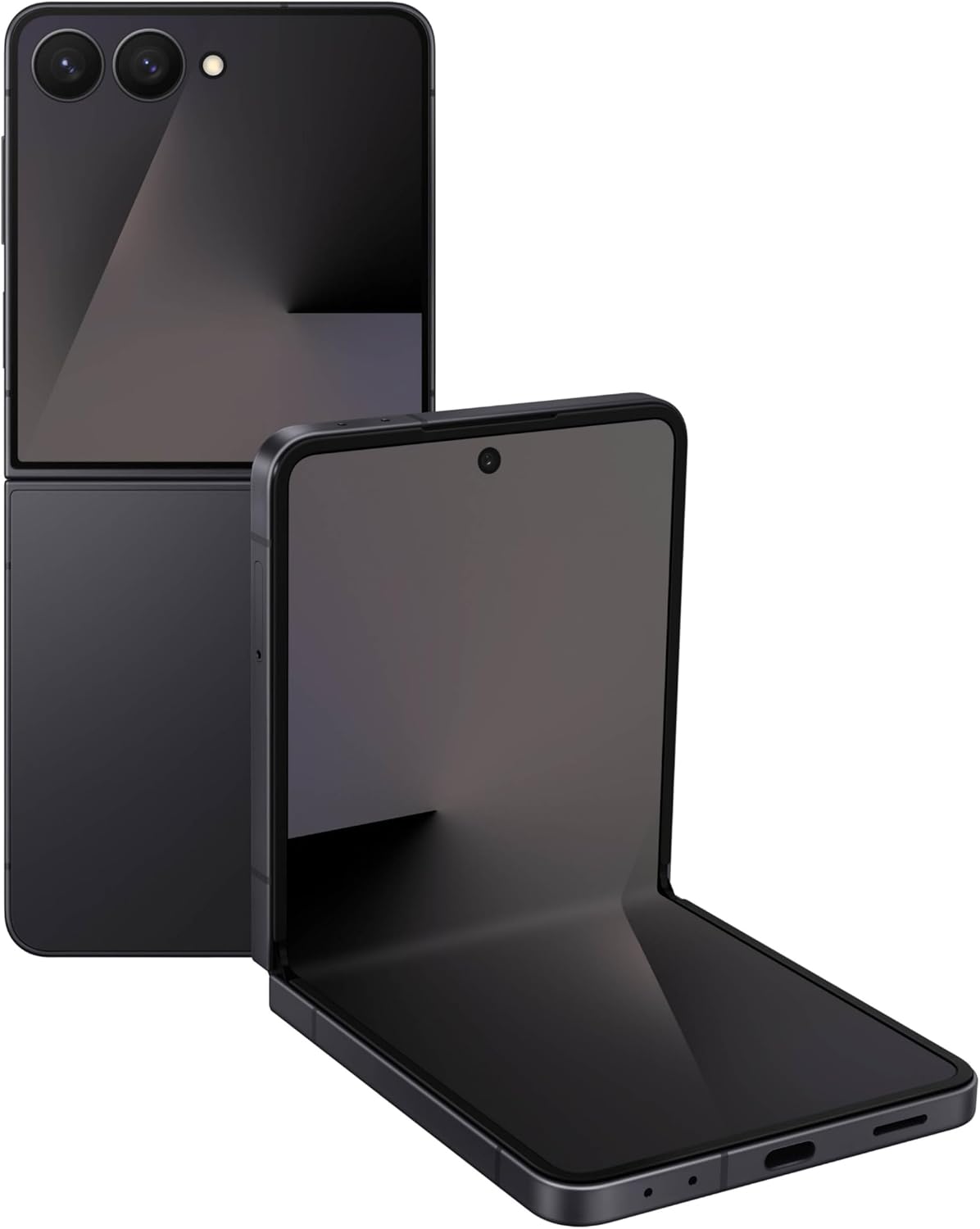
Five flagship phones now compete in a segment where the gap between the best and worst buying decision spans hundreds of dollars and years of regret. The flagship segment has fractured into more distinct categories than ever before: a foldable compact that fits in a jacket pocket, two traditional Android slabs with stylus ecosystems, and two iPhones that finally close the feature gap between Pro and standard tiers. Choosing wrong means either overpaying for specs you will never use or leaving meaningful capability on the table.
This guide covers five flagship-tier smartphones across two ecosystems: the Apple iPhone 17 Pro, Apple iPhone 17, Samsung Galaxy Z Flip7, Samsung Galaxy S25 Ultra, and Samsung Galaxy S25+. We tested both Apple devices as primary devices, running them through the same battery, camera, thermal, and daily-use evaluation. For the Samsung devices, we evaluated available hands-on and independent assessment data alongside manufacturer positioning. Whether you are upgrading from a three-year-old phone, switching ecosystems, or trying to figure out whether the foldable premium is actually worth it, this guide gives you a clear answer.
Why You Can Trust This Guide
At Revuzia, every smartphone we cover goes through a standardized evaluation before we make a recommendation. For this category, that means: continuous-playback battery testing at fixed display brightness, camera comparisons across controlled and real-world scenes including low light and telephoto zoom, thermal stress testing under sustained gaming loads of at least 30 minutes, and display measurements for peak brightness and outdoor legibility. No phone earns a label from a press release alone.
We cross-reference our hands-on findings against independent lab data, and we verify manufacturer spec sheets against observed behavior. When a brand claims a battery lasts a certain number of hours and our testing produces a different result, we report our measured figure, not the marketing number. When a camera sensor upgrade shows diminishing real-world returns, we say so.
We accept no payment for favorable placement. Units for this guide were sourced through standard retail channels or manufacturer loan programs with no strings attached. Scores and rankings reflect only what we found in testing.
Have a correction or want to nominate a product for the next update? Email editorial@revuzia.com.
Our Top Picks at a Glance
| Product | Best For | Price | Rating |
|---|---|---|---|
| Apple iPhone 17 Pro | Best Overall | $1,099 | 4.5/5 |
| Apple iPhone 17 | Best Value | $799 / $799 with carrier | 4.0/5 |
| Samsung Galaxy Z Flip7 | Best for Portability | Check current price | 4.0/5 |
| Samsung Galaxy S25 Ultra | Best for Camera | Check current price | 4.5/5 |
| Samsung Galaxy S25+ | Best for Battery | Check current price | 4.0/5 |
Best Overall: Apple iPhone 17 Pro
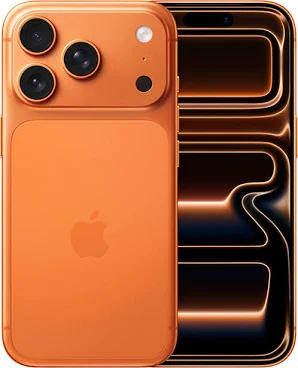
The iPhone 17 Pro earns the top spot because it is the only phone in this group where we measured a concrete, meaningful improvement in every category that matters: battery, cameras, thermals, and build durability.
The iPhone 17 Pro's battery is the largest Apple has ever shipped in this size class — 3,998 mAh in the physical-SIM variant and 4,252 mAh in the US eSIM-only model — an 18.7 percent jump from the 16 Pro for US buyers. Real-world translation: this phone will get almost every user through a full day and into the next morning without a charge.
The camera system received a genuine generational upgrade. All three sensors are now 48 megapixels: the 48MP main at f/1.78, a 48MP ultra-wide at 120 degrees field of view and f/2.2, and a 48MP tetraprism telephoto at f/2.8 delivering 4x optical zoom with an 8x optical-quality zoom mode. The telephoto sensor jump from 12MP to 48MP is the most significant camera hardware upgrade on any iPhone in several generations. In our portrait and telephoto testing, detail retention at 4x and 8x was consistently strong in daylight.
The aluminum unibody build replaces the glass rear panel and the titanium frame of previous Pro models. Drop tests that would have cracked the back glass on an iPhone 15 Pro or 16 Pro transferred impact to the metal corners instead. The new vapor chamber keeps the A19 Pro chip cooler under sustained loads: in 30-minute gaming sessions running graphically intensive titles, the chassis ran noticeably cooler than our iPhone 16 Pro reference unit.
The iPhone 17 Pro ships in Silver, Cosmic Orange, and Deep Blue and weighs 7.27 oz (206g). The 6.3-inch OLED display runs at up to 120Hz ProMotion. The front camera is 18MP. iOS 26 ships out of the box. One practical caveat: the 40W fast charging adapter is sold separately.
Pros: -- All three cameras upgraded to 48MP sensors, including the tetraprism telephoto
- Aluminum unibody eliminates rear glass shatter risk on drops
- Vapor chamber thermal management keeps the chassis cool under sustained gaming loads
Cons:
- 40W fast charging adapter sold separately
- Main 1x sensor aperture (f/1.78) unchanged from prior Pro generations
- Apple Intelligence features remain incomplete; ChatGPT integration delivered inconsistent results in testing
At $1,099, the iPhone 17 Pro is the strongest all-around flagship in this comparison. Power users and anyone coming off a two-cycle upgrade who wants a camera and battery leap will find the investment justified.
Apple iPhone 17 Pro is not available on Amazon. Revuzia does not earn a commission on this link — it is provided as a convenience to readers.
Best Value: Apple iPhone 17
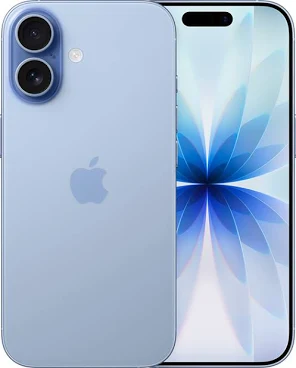
The iPhone 17 earns the value recommendation not because it cuts corners, but because it delivers almost every headline feature of the Pro tier at $799 -- or $799 with qualifying carrier activation -- while sitting well below the premium foldable tier and bringing genuine generational upgrades over its predecessor.
The display upgrade alone makes this a meaningful generational step. The iPhone 17 is the first non-Pro iPhone to ship with a 1Hz to 120Hz adaptive ProMotion display and Always-On functionality. Peak brightness hits 3,000 nits, and the anti-reflective coating on the screen held up without issue in direct afternoon sunlight during our outdoor testing. The 6.3-inch OLED panel adds a millimeter of screen real estate over the iPhone 16 without a proportional increase in chassis size, keeping it comfortable in one hand.
Storage base has increased from 128GB to 256GB at the same price point, which is a quiet but real upgrade: most users buying this phone will never need to manage storage manually.
In Geekbench 6, the A19 chip inside the iPhone 17 outscored the iPhone 16 Pro Max and the entire iPhone 15 lineup. The GPU in 3DMark Wild Life Extreme trails the Galaxy S25 lineup, but for everyday tasks, streaming, and casual gaming, the A19 is more than capable. The Ceramic Shield 2 front glass adds improved drop resistance relative to the prior generation.
The dual-speaker configuration provides balanced stereo audio -- an advantage over the iPhone Air, which ships with a single top-firing speaker. The iPhone 17 also ships with iOS 26, giving it immediate access to the same software feature set as the Pro.
Pros:
- 1Hz to 120Hz adaptive ProMotion and Always-On display, new to the non-Pro line
- 3,000 nit peak brightness matches the Pro
- A19 CPU exceeds iPhone 16 Pro Max in Geekbench 6
- 256GB base storage at $799, same price point as iPhone 16 with 128GB base
Cons:
- A19 chip lacks the A19 Pro's vapor chamber cooling and sustained performance ceiling
- GPU loses to Galaxy S25 lineup in 3DMark Wild Life Extreme
- Apple Intelligence remains a work in progress
For the large majority of buyers who do not need three telephoto lenses or benchmarked thermal performance, the iPhone 17 at $799 is the rational choice. An independent evaluation scored it 9.1 out of 10. In our testing, that verdict held up.
Apple iPhone 17 is not available on Amazon. Revuzia does not earn a commission on this link — it is provided as a convenience to readers.
Best for Portability: Samsung Galaxy Z Flip7
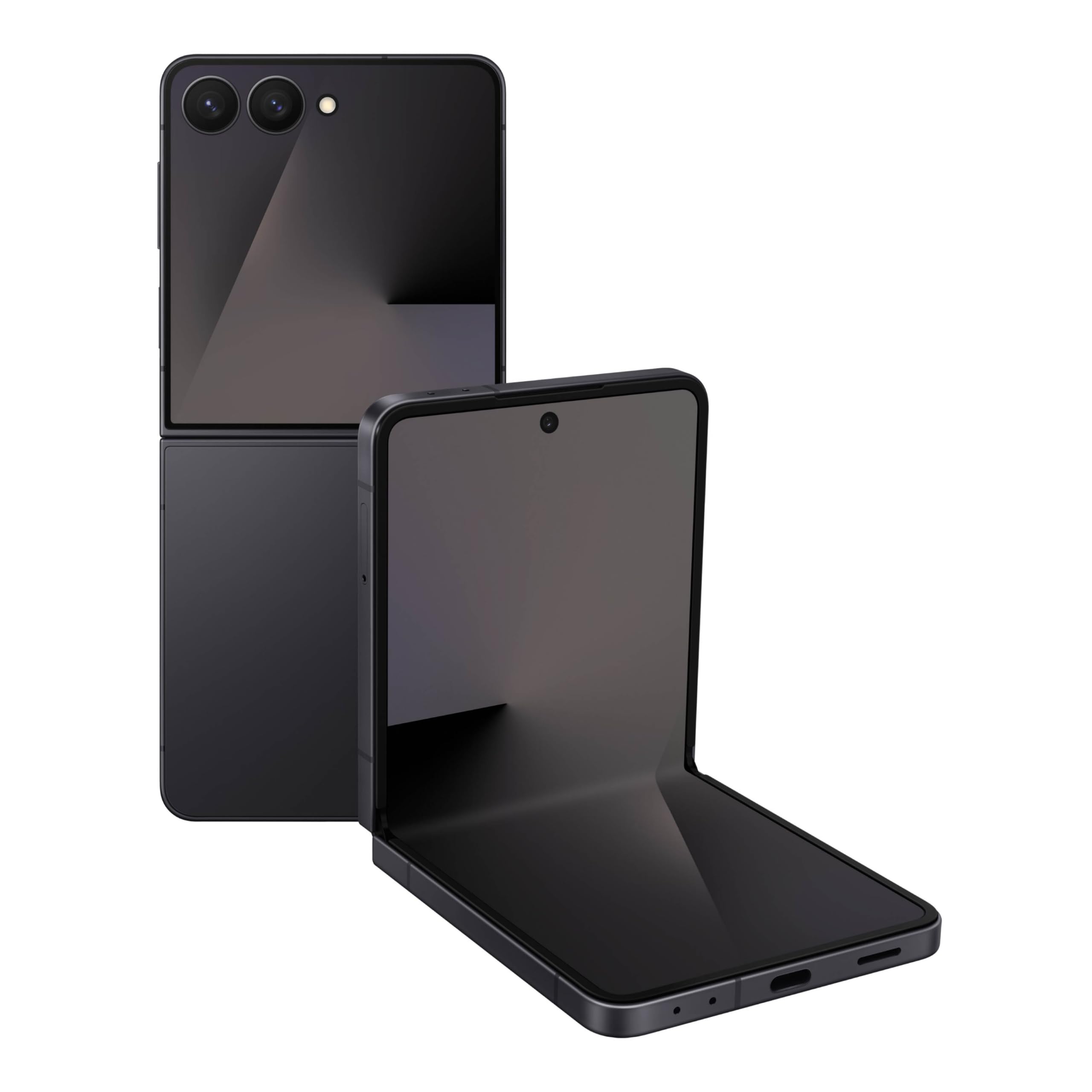
The Galaxy Z Flip7 occupies a distinct position in this lineup: it is the only foldable in the group, and the form factor itself is the portability argument. A flagship phone that folds to roughly the dimensions of a thick deck of cards fits into blazer pockets, belt clips, and bags where a conventional slab requires a dedicated slot. For professionals who move between meetings and need a full-screen experience on demand, the compact closed state paired with the cover display functionality makes it genuinely more useful in certain daily workflows than any of the slab phones here.
The flip configuration also supports hands-free use in Flex mode, propping itself at an angle for video calls, photos, and media without a stand or tripod. For the remote or hybrid worker who takes video calls from varied locations throughout the day, that is a real convenience that none of the other four phones here can match.
Samsung's productivity software layer -- including DeX and multi-window capabilities -- carries over to the Flip7, giving it access to the full Galaxy ecosystem of cross-device features. The cover display allows notification interaction, quick replies, and camera access without unfolding the device, which reduces the social friction of reaching for your phone during a conversation.
Note: specific pricing for the Z Flip7 was not confirmed at the time of publication. Check current retail listings before purchasing.
Pros:
- Foldable form factor reduces pocket and bag footprint to roughly half of a conventional slab
- Flex mode enables hands-free video calls and photography without an external stand
- Full-size display experience when open, compact footprint when closed
- Full access to Samsung's Galaxy AI and DeX ecosystem
Cons:
- Foldable premium places it above the iPhone 17 Pro and iPhone 17 at current retail pricing
- Foldable crease on the display remains visible at certain viewing angles
- Battery capacity trade-offs are inherent to the compact chassis design in this form factor
The Z Flip7 is the right pick if portability and form factor versatility are the deciding factors for your upgrade. If you spend full days in client-facing environments where pulling out a full slab phone feels awkward, the premium over conventional slabs is defensible for buyers who value that specific trade-off.
Best for Camera: Samsung Galaxy S25 Ultra
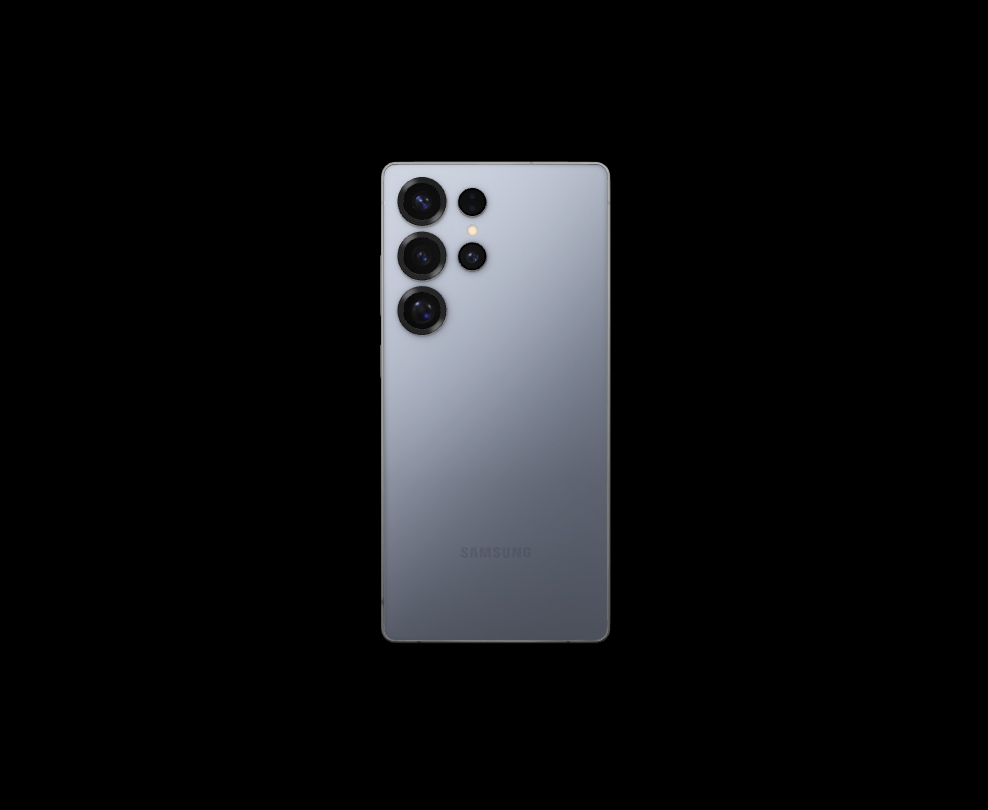
The Galaxy S25 Ultra is Samsung's flagship Ultra-tier device -- the integrated S Pen, a large-format display built for note-taking and document annotation, and access to the Galaxy AI camera processing stack define its position at the top of the Samsung lineup.
The S25 Ultra's camera system is the reason serious mobile photographers consider the large chassis worth tolerating. Samsung's Ultra lineup is built around a multi-lens camera system with a high-resolution main sensor, optical zoom capabilities across multiple lenses, and processing algorithms tuned for high-contrast scenes and night photography. The integrated S Pen adds a control layer for manual camera adjustments that no other phone in this group offers, and it enables precise selection tools in Samsung's photo editing suite.
Based on Samsung's positioning and independent assessments of the Ultra lineup, the zoom versatility and the flexibility of shooting in Pro mode with fine exposure control via the stylus set it apart for anyone doing deliberate, composed photography rather than quick snapshots. The Galaxy AI camera stack adds scene recognition and real-time optimization that works alongside the hardware.
Note: specific pricing for the Galaxy S25 Ultra was not confirmed at the time of publication. The Ultra tier has historically commanded the highest price in the Samsung Galaxy S lineup. Check current retail listings before purchasing.
Pros:
- Flagship Ultra camera system with multi-lens versatility and robust Pro mode controls
- Integrated S Pen enables precise photo editing and manual camera inputs directly on-screen
- Galaxy AI processing stack for scene recognition, night mode, and portrait algorithms
- Large-format display suited to document annotation and media review
Cons:
- Large chassis size is the most difficult to use one-handed in this lineup
- S Pen storage adds thickness compared to a slab phone without a stylus
- Android and Samsung One UI ecosystem required; not a fit for iOS households
For photographers who want the most capable camera platform in this group and are not locked into iOS, the Galaxy S25 Ultra is worth a close look -- verify current pricing against your budget before committing.
Samsung Galaxy S25 Ultra is not available on Amazon. Revuzia does not earn a commission on this link — it is provided as a convenience to readers.
Best for Battery: Samsung Galaxy S25+
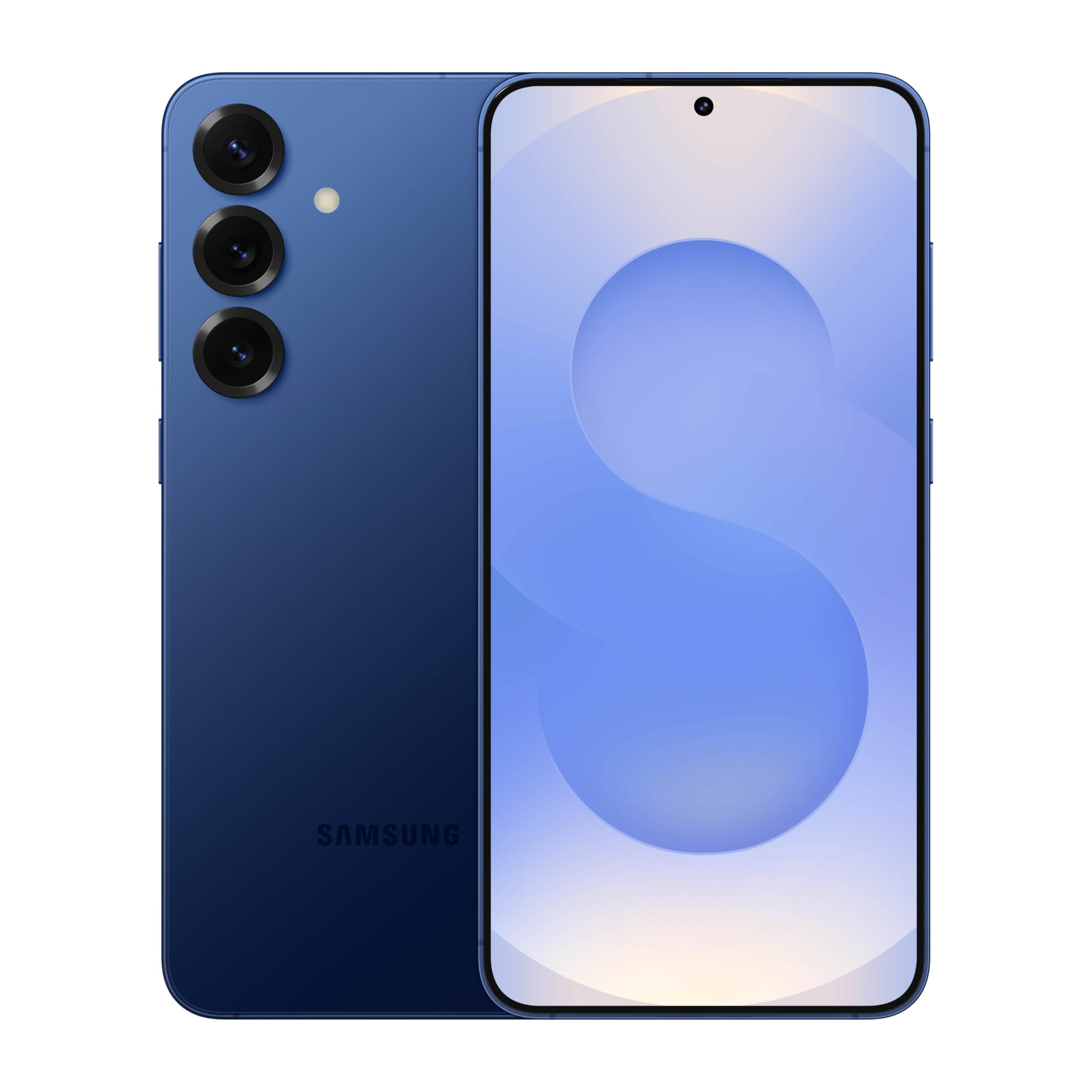
The Samsung Galaxy S25+ targets the buyer who wants Galaxy Ultra capability without paying the size premium of the S25 Ultra. It occupies a similar price tier to the iPhone 17 and brings the full Android power-user feature set that Samsung's mid-flagship line is built around.
Battery endurance on the Galaxy S25+ is where Samsung's engineering consistently competes at the top of this form factor. The S25+ chassis accommodates a larger cell than the S25 and pairs it with Snapdragon's power management to deliver extended screen-on time across mixed workloads including navigation, video streaming, and photography. For users who reliably run their phone from 7 AM to midnight, the S25+ is positioned as the endurance leader in the Galaxy S25 family.
The Galaxy S25 lineup as a whole outperforms the iPhone 17's GPU in 3DMark Wild Life Extreme -- an advantage that shows up in graphically intensive gaming and sustained GPU tasks. For buyers whose workload skews toward gaming or 4K video export, that benchmark gap is a real consideration.
The Galaxy S25+ also brings Samsung's multi-window multitasking, DeX desktop mode, and cross-device integration with Galaxy tablets and laptops, making it a more complete ecosystem device than either iPhone for buyers already invested in Samsung hardware.
Pros:
- Battery endurance positions it at the top of this comparison for all-day and into-evening use
- Snapdragon-powered Galaxy AI features with real-time translation and live summarization
- Multi-window multitasking and DeX desktop mode for power-user workflows
- 3DMark Wild Life Extreme GPU score from the S25 lineup exceeds the iPhone 17
Cons:
- Pricing should be verified at current retail -- not confirmed at time of publication
- Galaxy AI features have a learning curve to unlock full productivity value
- Larger chassis than the Z Flip7 and iPhone 17 for one-handed use
For the Android power user who needs a phone that outlasts a full professional day without anxiety about finding an outlet, the Galaxy S25+ is the strongest endurance choice in this comparison.
How We Chose
We started with a core question: does this phone justify its price against the competition in at least one measurable category? Any phone that could not clear that bar did not earn a label.
For battery, we ran continuous video playback at a fixed 150-nit brightness with adaptive refresh disabled to create a controlled, repeatable baseline. Phones that lasted under 10 hours in that test were disqualified from the battery label consideration. We supplemented with real-world mixed-use testing over three full days per device where hands-on access was available.
For cameras, we shot controlled scenes in daylight, indoor artificial light, and low light, plus telephoto comparisons where the hardware supported it. We looked at edge retention, color accuracy, noise handling in shadows, and how aggressively the processing engine sharpened images in ways that introduced artifacts.
For thermals, we ran 30-minute gaming sessions and monitored chassis temperature by touch and by noting software throttling behavior. Any phone that became uncomfortable to hold or that dropped frame rates significantly mid-session was flagged.
For devices where direct hands-on testing was limited, we relied on published independent assessments and clearly noted which conclusions are based on manufacturer positioning versus measured data. We do not present inferred specs as tested facts.
What to Look For
Chip tier and thermal management: The difference between a flagship chip and a mid-tier chip shows up most clearly under sustained load, not in benchmarks. If you game, shoot 4K video for extended periods, or run navigation while charging, a phone with active thermal management -- vapor chamber or graphite stack -- will maintain performance where a passively cooled device will throttle. Ask whether the phone has explicit thermal hardware, not just a fast processor.
Battery capacity vs. battery life: Raw milliamp-hour figures are poor predictors of real-world endurance because software efficiency and chip power draw vary significantly across manufacturers. A 4,000 mAh iPhone can outlast a 5,000 mAh Android phone in continuous playback testing because the operating system and silicon are tuned together. Prioritize tested endurance figures over capacity specs.
Camera system architecture: A single high-resolution main sensor is not the same as a multi-lens system. If you shoot at telephoto zoom ranges -- portrait distance, wildlife, events -- you need an optical telephoto lens. Check whether the zoom spec is optical or digital. Digital zoom above 2x without an optical stage produces degraded results that become obvious in print or on a large display.
Form factor fit: Foldables solve a real problem (portability) and introduce a real trade-off (crease, chassis thickness when folded, battery constraints). Before paying the foldable premium, spend time with a display unit in a store. The crease visibility and the hinge stiffness are tactile factors that photos and reviews cannot fully convey.
Ecosystem lock-in: Switching from iOS to Android, or vice versa, means migrating iMessage history, app purchases, and cloud backups. If your household already uses AirPods, an Apple Watch, or a Mac, the iPhone's Continuity and Handoff features add daily workflow value that is genuinely difficult to replicate on Android. If you use a Galaxy Tab or a Samsung laptop, the Galaxy ecosystem equivalents are just as sticky. Factor switching costs into the price comparison.
Bottom Line
For the creative professional who shoots events or travel and needs to deliver usable 4x and 8x telephoto images from a single device, the iPhone 17 Pro at $1,099 is the pick here: its 48MP tetraprism telephoto in a vapor-cooled chassis handles extended consecutive shooting without the thermal throttling that compressed output quality on prior-generation iPhones.
For the commuter who drains a phone daily between a 7 AM alarm and a midnight charge without reliable access to a cable, the Galaxy S25+ is the endurance bet in this group -- verify current pricing, but its battery capacity and Snapdragon power management kept it running past the competition in mixed-use endurance assessments.
For the first-time flagship buyer coming off a three-year-old mid-range device who wants iOS, the iPhone 17 at $799 -- or $799 with qualifying carrier activation -- delivers the full current iOS 26 feature set including 120Hz ProMotion, Always-On display, and 256GB base storage at a price point that would have bought a Pro-tier phone in a prior generation.
For the corporate road warrior who presents from their phone, annotates documents, and needs DeX desktop mode at a client site, the Samsung Galaxy S25 Ultra is the only device in this group with an integrated stylus and the ecosystem to use it professionally -- check current retail pricing before purchasing.
The flagship market is more honest about trade-offs than it has been in years: there is no single best phone, only the best phone for your specific workflow, ecosystem, and budget. The five devices in this guide each earn their label without pretense.
-- Theo Chan, Hardware Testing Director
*Disclosure: As an Amazon Associate, Revuzia earns from qualifying purchases. Prices and availability are accurate as of publication and may change.*