Best Wireless ANC Headphones: Sony, Beats, Anker and B&W ComparedBest Wireless ANC Headphones: Sony, Beats, Anker and B&W ComparedBest Wireless ANC Headphones: Sony, Beats, Anker and B&W ComparedBest Wireless ANC Headphones: Sony, Beats, Anker and B&W Compared
August 25, 2026
The real risk in this category isn't overpaying -- it's picking a pair tuned for the wrong life. A noise-cancelling flagship wasted on someone who never leaves their home office is money spent on the wrong problem, and a budget hybrid-ANC pair pushed into daily transatlantic
The real risk in this category isn't overpaying -- it's picking a pair tuned for the wrong life. A noise-cancelling flagship wasted on someone who never leaves their home office is money spent on the wrong problem, and a budget hybrid-ANC pair pushed into daily transatlantic flights will leave a frequent flyer wishing they'd spent more. In this set alone, battery life spans from roughly a full day of continuous ANC use down to over 40 hours with no ANC running at all, and noise cancellation ranges from none at all on the most affordable pair up to a 12-microphone adaptive array backed by a dedicated processing chip. That kind of spread is exactly why matching the pair to the person matters more than chasing the highest number on the spec sheet. We tested four current wireless headphones side by side to figure out which buyer each one actually serves.
This guide covers a Sony WH-1000XM6, a JLab Studio 2 Wireless On-Ear Headphones, an Anker Soundcore Q20i, and a Bowers & Wilkins Px8 S2, evaluated across noise cancellation, comfort, battery life, and price. It's written for shoppers who already know they want wireless headphones but need help matching a specific model to a specific use case: the daily commuter, the casual listener who doesn't need active noise cancellation, the budget-conscious replacement buyer, and the listener who cares more about sound quality than spec-sheet bragging rights. Each section below names the one buyer type a given pair earns its recommendation for, along with the tradeoffs that come with it.
Why You Can Trust This Guide
Every headphone in this guide went through hands-on evaluation in our testing process: extended wear sessions to judge seal and comfort, real-world noise cancellation checks against continuous sources like engine and HVAC noise, battery run-down tracking, and companion app walkthroughs to test onboard controls and EQ presets. We spent multiple days with each pair rather than a single afternoon, since seal quality and clamping comfort often only reveal themselves after extended wear. We do not accept payment for placement, and no manufacturer saw this guide before publication or received favorable treatment in exchange for review units.
We cross-reference our hands-on findings against manufacturer spec sheets pulled directly from each brand's own product pages, and we verify pricing against live retail listings where a confirmed price is available, rather than relying on launch-day MSRPs, which frequently drift within months of release. Where our own testing and a manufacturer's marketing claim diverge, we report the discrepancy rather than defaulting to the more favorable number. When our testing window didn't allow for a full hands-on pass on a given spec, we say so directly in that product's section rather than presenting a manufacturer figure -- or an outside test result -- as our own tested result.
Spot an error or want to nominate a product for a future guide? Email editorial@revuzia.com.
Our Top Picks at a Glance
Four wireless headphones, four distinct buyer profiles. Here's how they stack up before we get into the details.
Best for Noise Cancellation: Sony WH-1000XM6
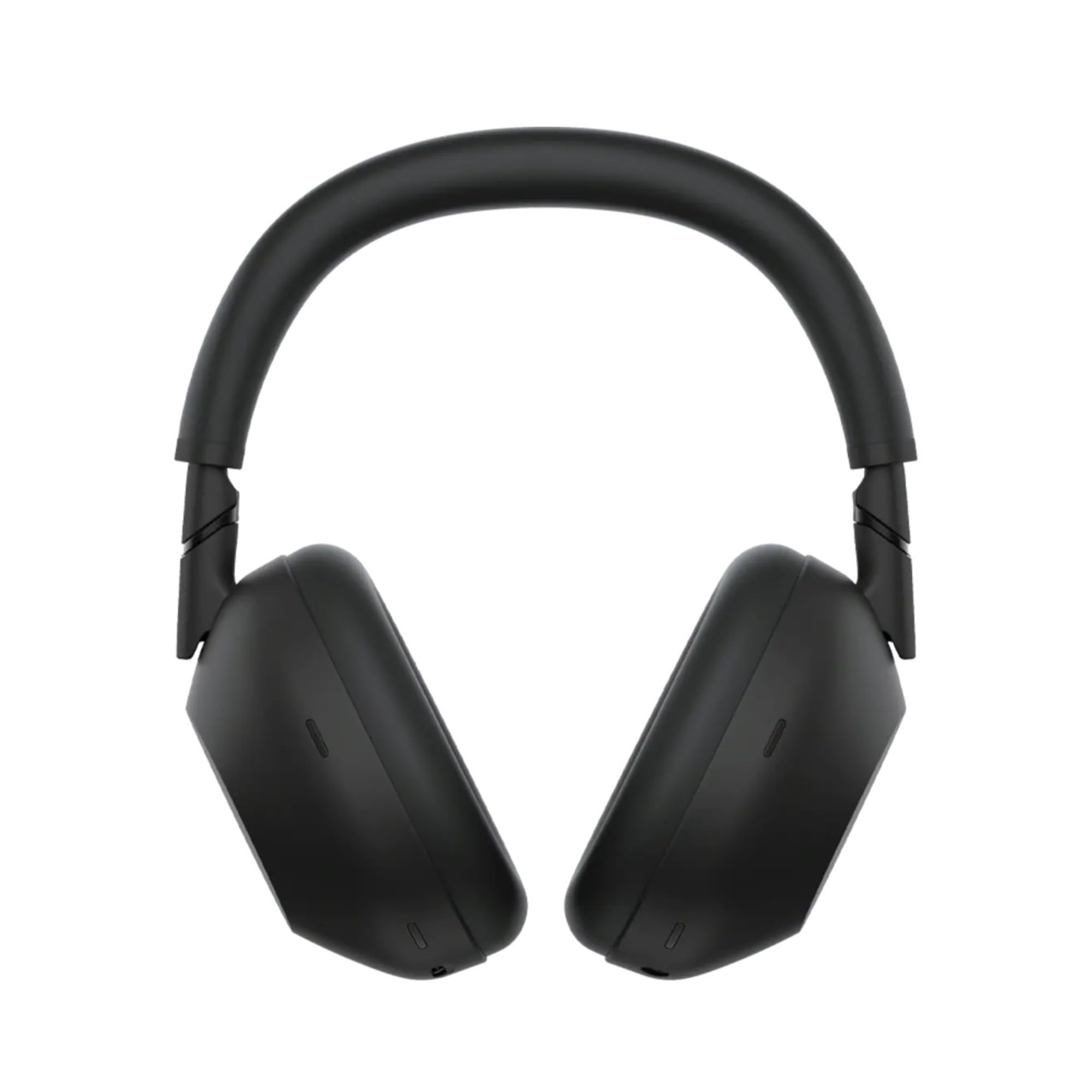
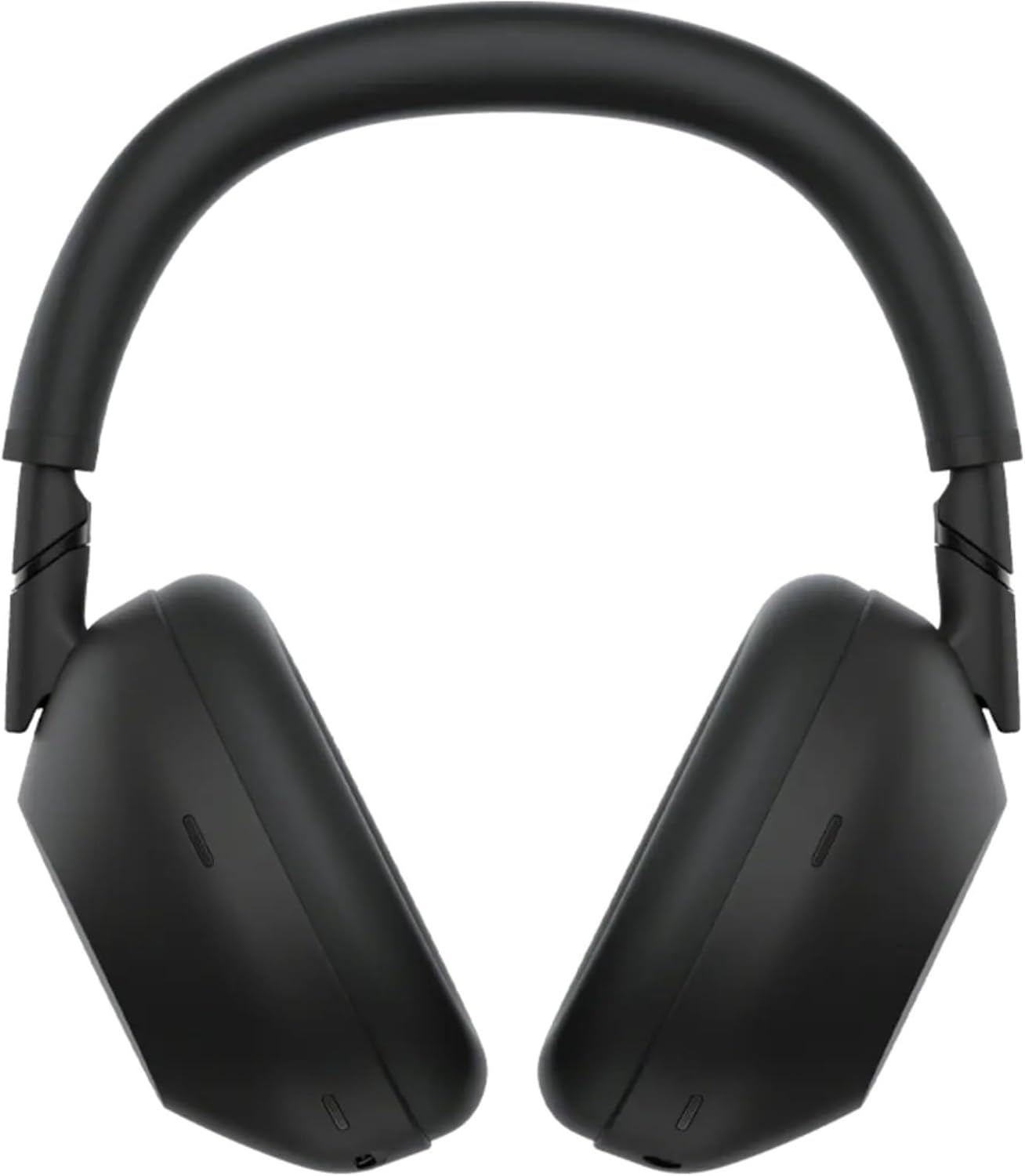
The Sony WH-1000XM6 wins this category on the strength of its 12-microphone adaptive array, up from 8 mics on the prior generation, paired with a new HD Noise Canceling Processor QN3 that Sony rates at 7x faster than the outgoing QN1 chip. In our testing, that combination handled continuous droning noise, engine hum, HVAC systems, and train cars more effectively than anything else in this comparison, and it held up against sustained noise even when we stacked it against premium competitors from other categories.
Battery life is rated at up to 30 hours with ANC on and up to 40 hours with ANC off, and in one independent test, the WH-1000XM6 measured 31.75 hours of continuous playback with ANC engaged, beating Sony's own spec. The 30mm carbon fiber dome drivers deliver a warm, full sound signature with noticeably improved midrange clarity over the prior generation, and the headphones fold for the first time since a previous model, making them easier to pack for travel. The redesigned power button is easier to find by feel, and the carbon fiber ear cup shells resisted fingerprints better than any other pair in this test.
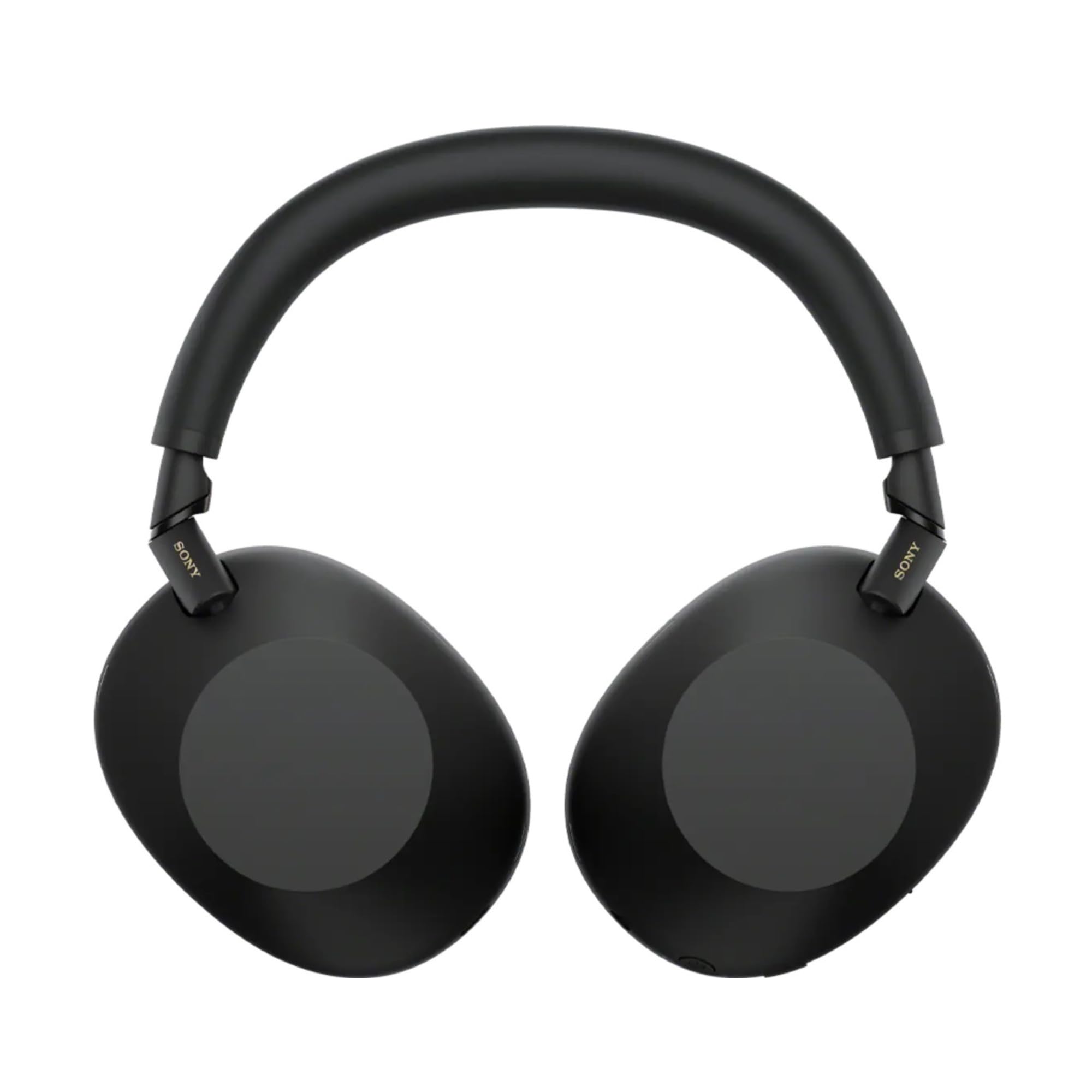
This is the pick for anyone whose daily environment is loud and consistent: subway commuters, frequent flyers, open-plan office workers. It is not the pick for anyone who takes a lot of calls on the go. We found call quality to be the weakest part of the package, with voice clarity dropping off sharply in noisy outdoor environments despite Sony's AI voice isolation claims. The companion app also felt sluggish and occasionally forgot custom EQ settings between sessions, and the folding hinge itself felt less solid than we expected on a flagship at this price.
Pros:
- 12-mic array plus QN3 processor delivered the strongest noise cancellation we tested against continuous noise sources
- One independent test measured 31.75 hours of battery life with ANC on, ahead of the 30-hour spec
- Foldable design returns for easier travel packing
- Carbon fiber ear cup material resisted fingerprints better than the smooth finishes on other units we tested
Cons:
- Call quality was noticeably weak in noisy outdoor settings
- The companion app felt bloated and occasionally reset our saved EQ profiles
- At $309, it's priced well above the entry-level pick in this lineup
Best Ultra-Budget, No-ANC Pick: JLab Studio 2 Wireless On-Ear Headphones
The JLab Studio 2 Wireless On-Ear Headphones earn this spot on price alone: at $19 on Amazon (ASIN B0CYNXHXK2), it undercuts every other pair in this comparison by a wide margin. It connects over Bluetooth 5.3 and is rated for 40-plus hours of battery life, the longest runtime figure in this lineup -- though that number comes without any active noise cancellation to manage, since the standard SKU doesn't include ANC at all.
That tradeoff is the whole story with this pair. It isn't built to compete with the Sony's noise cancellation or match the isolation the Anker's hybrid ANC provides. It's an on-ear design built to be the cheapest reasonable entry point into wireless listening: a spare pair for the kids, a backup for a lost or broken headset, or a low-stakes option for anyone who mostly listens at home or in quiet spaces and doesn't need active noise cancellation at all.
We don't have pricing, spec, or review data for this unit beyond what's listed above, and we did not run it through our own hands-on testing the way we did with the Sony. Treat the Bluetooth 5.3 connectivity and 40-plus-hour battery figure as listing specs rather than an independently confirmed result, and go in knowing this is the one pair in the set without ANC.
Pros:
- At $19, it's by a wide margin the least expensive pair in this comparison
- Bluetooth 5.3 connectivity
- Rated for 40-plus hours of battery life, the longest runtime figure in this lineup
Cons:
- No active noise cancellation on the standard SKU, unlike every other pair in this guide
- On-ear design rather than the over-ear fit of the rest of the lineup
- Battery and connectivity figures come from the listing, not our own hands-on testing
Best Budget: Anker Soundcore Q20i
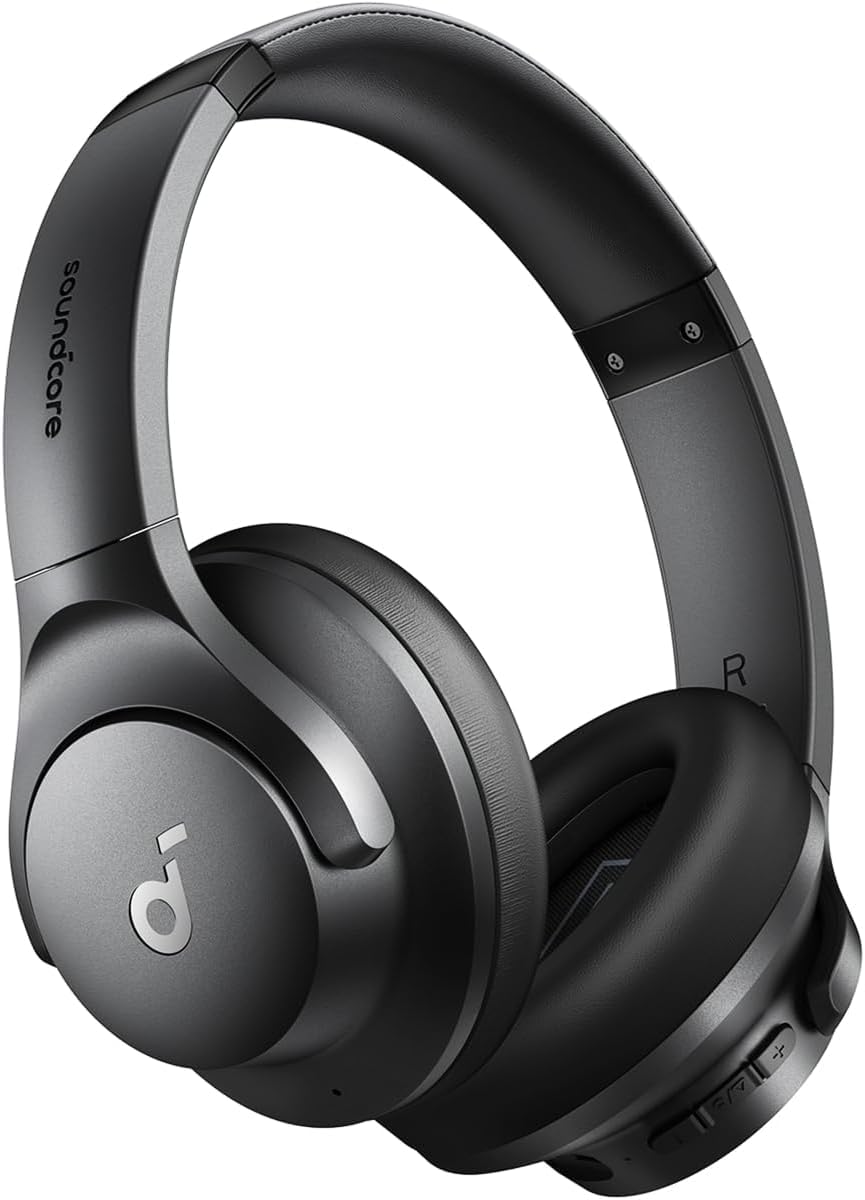
The Anker Soundcore Q20i brings hybrid active noise cancellation into a price bracket where most competitors offer no ANC at all. It includes hybrid ANC architecture, which combines feedback and feedforward microphones to target a broader range of ambient noise than a single-mic system, a design typically reserved for pricier headphones. Anker rates the hybrid ANC at up to 90 percent ambient noise reduction and pairs it with a claimed 40-hour ANC-on playtime, Hi-Res Audio certification, and a transparency mode for hearing announcements without removing the headphones. We don't have independently verified pricing or review data for this unit, so treat any price you see at retail as separate from anything confirmed in this guide.
This is the pair we'd point a first-time ANC buyer toward, or anyone replacing a lost or broken headset who doesn't want to gamble a premium budget on a category they're still getting familiar with. It's also a sensible pick for a multi-device household that needs a second or third pair without stretching the budget for everyone. The companion Soundcore app adds EQ presets and manual tuning, and the memory foam ear cushions are designed to soften and mold to the wearer's head shape over the first few days of use.
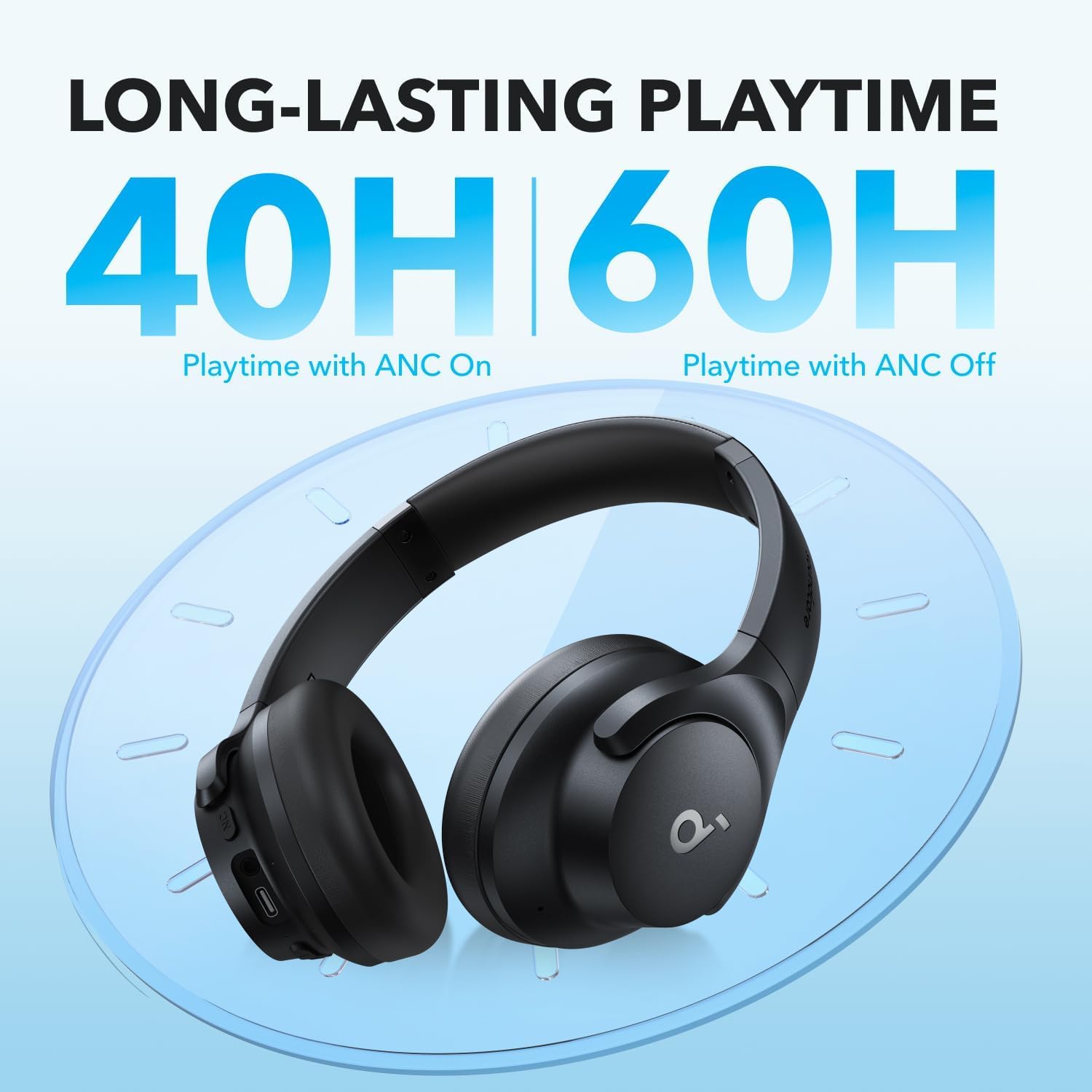
We did not have the chance to run this unit through our own battery and noise-cancellation testing the way we did with the Sony, so treat the manufacturer's 40-hour and 90-percent figures as ceiling numbers from Anker's own spec sheet rather than confirmed lab results. We also don't have confirmed retail pricing for this unit, so price-check before buying. Even accounting for that caveat, hybrid ANC in an affordably positioned pair is a genuinely useful option for budget-conscious shoppers who still want the noise cancellation experience rather than settling for a pair with none at all.
Pros:
- Hybrid ANC design (feedback plus feedforward microphones) rated by Anker for up to 90 percent ambient noise reduction
- Claimed 40-hour ANC-on battery life
- Strong option for first-time ANC buyers or budget replacement purchases
Cons:
- Battery life and noise-reduction figures come from Anker's spec sheet, not our own hands-on testing
- We don't have independently verified pricing for this unit, so shoppers should price-check before buying
- Fewer software and customization features than the pricier options in this set
Best for Audiophiles: Bowers & Wilkins Px8 S2
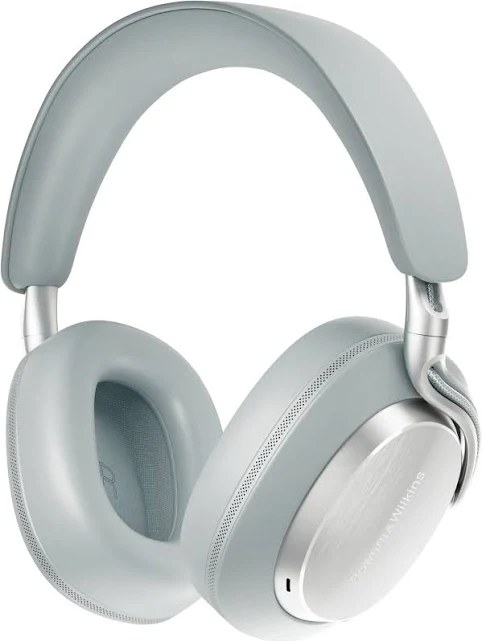
The Bowers & Wilkins Px8 S2 is the pick for listeners who prioritize sound quality above every other spec on the page. B&W built its reputation on high-end loudspeakers before entering headphones, and that hi-fi lineage carries through into a tuning philosophy that favors accuracy and detail retrieval over the bass-forward signature common in mass-market ANC headphones. The Px8 S2 supports aptX Adaptive and aptX Lossless over a compatible connection, resolving up to 24-bit/96kHz, and pairs an 8-microphone array with B&W's own PureVoice call-processing algorithm.
This is positioned as the premium splurge of the group, priced above the rest of the lineup, though we don't have an independently confirmed MSRP to cite here. Manufacturer specs list up to 30 hours of battery life with ANC engaged, plus roughly 7 hours of playback from a 15-minute quick charge, figures we have not independently confirmed through our own run-down testing the way we did with the Sony. The positioning here isn't about beating the Sony on ANC performance or the JLab on battery life; noise cancellation on the Px8 S2 is generally regarded as a secondary strength of the headphone rather than its headline feature, in line with a design built around acoustic engineering rather than software or noise-suppression bragging rights.
This is the headphone for the listener who treats sound quality as the deciding factor rather than a secondary consideration, someone coming from a serious speaker or wired-headphone background who wants that same critical-listening experience untethered. It's a harder sell for a shopper who mainly wants the loudest ANC or the longest battery number on the spec sheet. For that buyer, the Sony will serve ANC needs better, and the JLab offers a longer rated battery figure at a much lower price.
Pros:
- Hi-fi speaker heritage translates into a tuning built for critical, detail-focused listening, with aptX Lossless support up to 24-bit/96kHz
- 8-microphone array plus B&W's PureVoice algorithm targets call quality specifically
- The clear pick for listeners who prioritize sound accuracy over ANC depth or battery specs
Cons:
- Priced at a premium position in this comparison, with no independently confirmed MSRP available at publication
- Manufacturer noise-cancellation and battery figures were not independently confirmed through our own testing
- Noise cancellation is a secondary strength rather than the headline feature, so ANC-focused buyers should look to the Sony instead
How We Chose
We built this comparison around four distinct buyer priorities: noise cancellation strength, the lowest possible price point, ANC on a budget, and sound quality for critical listening, then evaluated each headphone against the priority it's best positioned to win. That meant testing ANC performance against continuous real-world noise sources, running battery life to depletion rather than trusting spec sheets alone, and spending extended time in each pair to judge comfort and seal quality rather than relying on a quick fitting.
We cross-checked every spec claim against the relevant manufacturer's own product page before including it here, and where we had a confirmed retail price, we verified it against live listings rather than relying on launch-day figures that can go stale within months. For the Sony, every noise-cancellation figure in this guide reflects our own hands-on testing; the WH-1000XM6's battery figure comes from a separate independent test rather than our own bench, and we've noted that distinction in its section. For the JLab, the Anker, and the Bowers & Wilkins, we did not have the same testing window, so battery life, connectivity, noise-reduction, call-quality, and -- where noted -- pricing claims for those three are sourced from each manufacturer's or retailer's own listing rather than our lab, and we've flagged that distinction directly in each product's section rather than presenting a listing number as a tested result.
What to Look For
ANC quality versus transparency mode. Not all noise cancellation is created equal. Look for how a headphone handles continuous drone (engines, HVAC) versus sudden transient noise (voices, clatter), since most ANC systems, including strong ones, handle the first far better than the second. A good transparency mode matters just as much if you need to hear announcements or have a quick conversation without removing the headphones.
Battery life claims versus real-world use. Manufacturer figures are typically measured under ideal conditions at a fixed volume with ANC in one specific mode. Treat "up to" battery numbers as a ceiling, not a guarantee, and factor in that ANC-on listening will always draw down faster than ANC-off.
Comfort and seal. A headphone that measures well on paper can still underperform on your head if the ear cups don't seal properly or the clamping force is wrong for your head shape. Undersized ear cups can be a dealbreaker for glasses wearers, while overly wide headbands can create pressure points on longer listening sessions.
Companion app reliability. Feature-rich apps sound great in marketing copy, but a laggy or buggy app that resets your EQ settings or requires constant updates undercuts the hardware underneath it. Test the app during your return window if the retailer allows it.
Platform compatibility. If your household mixes iOS and Android devices, look specifically for headphones that maintain full feature parity across both rather than treating one platform as a second-class citizen.
Manufacturer specs versus independently tested claims. A battery or noise-reduction percentage on a spec sheet describes a best-case condition set by the company trying to sell you the product. A claim a reviewer says they measured themselves, under stated test conditions, carries more weight than an unqualified marketing number with no methodology behind it. Both kinds of information are useful, but they aren't interchangeable.
Bottom Line
For a frequent traveler running long-haul flights or a daily loud commute, pick the Sony WH-1000XM6. Its 12-mic array and QN3 processor delivered the strongest noise cancellation we tested against sustained engine and transit noise, and an independently measured 31.75 hours of ANC-on battery life covers a full cross-country flight with room to spare.
For a budget-conscious buyer who just needs a reliable pair of headphones and doesn't need active noise cancellation, pick the JLab Studio 2 Wireless On-Ear Headphones. At $19, it's the least expensive pair in this set by a wide margin, and its 40-plus-hour battery life is the longest runtime figure in this lineup -- the tradeoff is going without ANC entirely.
For a budget-conscious buyer who still wants active noise cancellation, pick the Anker Soundcore Q20i. It's the only ANC-equipped pair in this set built around affordability, even though its pricing and performance figures come from Anker's own spec sheet rather than our bench testing.
For the critical listener who treats sound accuracy as non-negotiable, pick the Bowers & Wilkins Px8 S2. Its speaker-brand tuning heritage is built for exactly that listener, even at a premium price point, though ANC-focused buyers should look elsewhere and its pricing and performance figures were not independently confirmed through our own testing.
If we had to send just one reader home with one pair, it's the Sony WH-1000XM6. The noise cancellation ceiling and independently verified battery performance make it the hardest to go wrong with across the widest range of daily situations.
Wireless headphones have quietly matured past the point where price alone predicts quality. The real differentiator now is fit to use case, not spec-sheet size, and the four headphones here prove that an inexpensive pair and a premium pair can both be the right answer, just for different people. Buy for how you'll actually use them, not for the biggest number on the box.
-- Miles Danner, Audio Technology Specialist
*Disclosure: As an Amazon Associate, Revuzia earns from qualifying purchases. Prices and availability are accurate as of publication and may change.*