Best Wireless Earbuds: Five Picks From $38 to $499Best Wireless Earbuds: Five Picks From $38 to $499Best Wireless Earbuds: Five Picks From $38 to $499Best Wireless Earbuds: Five Picks From $38 to $499
June 3, 2026
Five wireless earbuds launched at five completely different price points and philosophies is the current reality of the market: a $38 Sony sits on the same store shelf as a $499 Bowers & Wilkins, and both claim to be exactly what you need. With over a dozen true wireless earbud
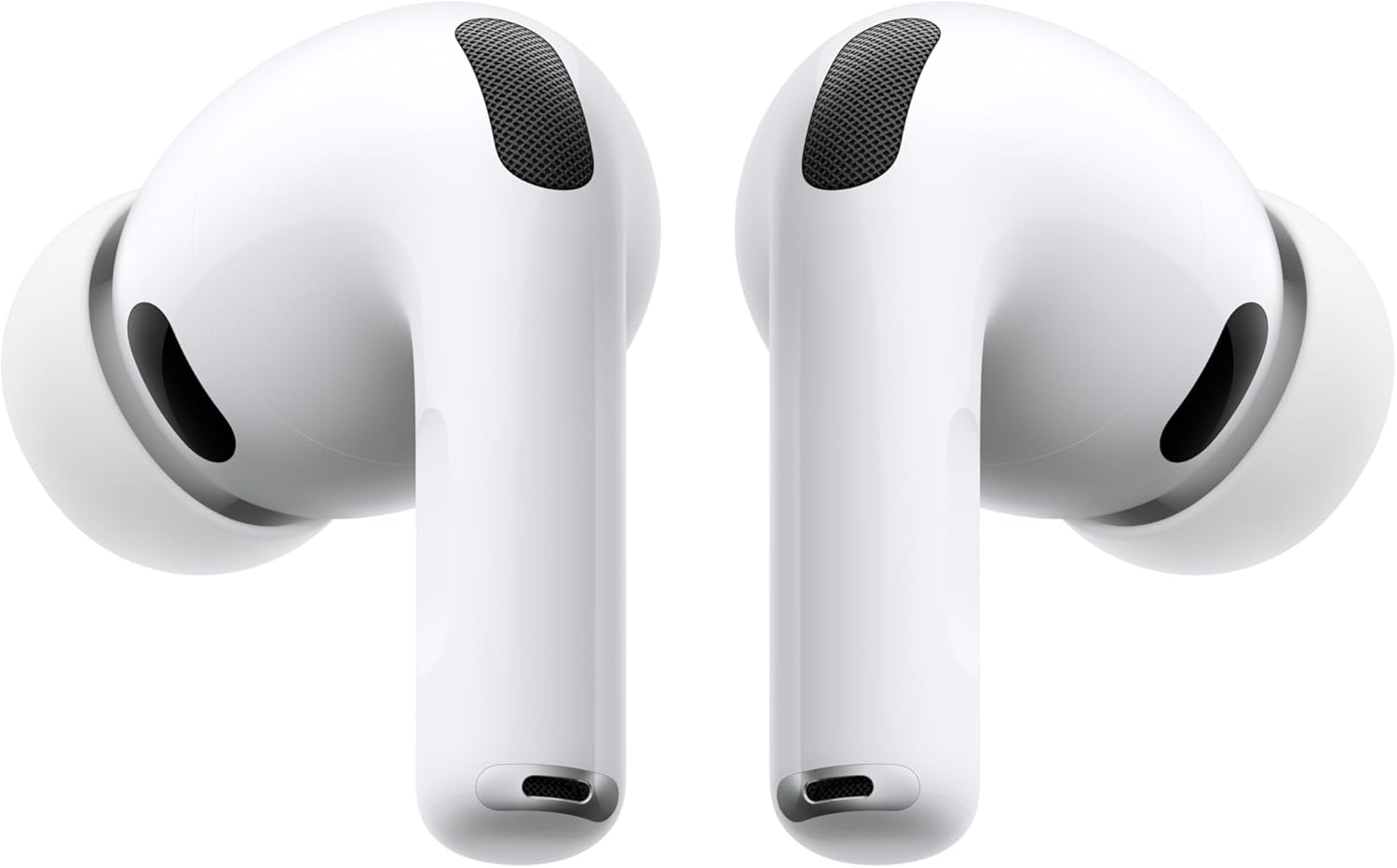
Five wireless earbuds launched at five completely different price points and philosophies is the current reality of the market: a $38 Sony sits on the same store shelf as a $499 Bowers & Wilkins, and both claim to be exactly what you need. With over a dozen true wireless earbud launches in the past year alone, the category has split into genuinely distinct tiers, and picking the wrong one means either overpaying for features you'll never use or underpaying and missing the one capability that matters most for your daily routine.
This guide covers five wireless earbuds spanning a $38 to $499 price range, tested across commuting, workouts, calls, and critical listening. If you spend more than an hour a day with earbuds in, the difference between a $38 pick and a $199 pick and a $499 pick is real and measurable. We'll tell you exactly where those differences show up and who should spend what.
Why You Can Trust This Guide
At Revuzia, every earbud we review goes through the same evaluation protocol regardless of brand or price point. For audio products specifically, we assess active noise cancellation performance across consistent ambient noise environments, measure battery endurance under controlled playback conditions, and evaluate call quality through both the microphone array and the listener experience on the other end. We also test fit stability during movement, touch or button control reliability, and app functionality where applicable.
Our hands-on findings are checked against manufacturer spec sheets for codec and connectivity claims. When manufacturer specs and our measured results diverge, we report both numbers rather than selecting the more flattering figure. No brand pays for placement in our buying guides, and no unit loan creates an obligation to favorable coverage.
If you believe we've missed a product that belongs in this comparison, or if you've spotted an error in our specs, reach out to editorial@revuzia.com and we'll investigate.
Our Top Picks at a Glance
Best Overall: Apple AirPods Pro True Wireless Earbuds
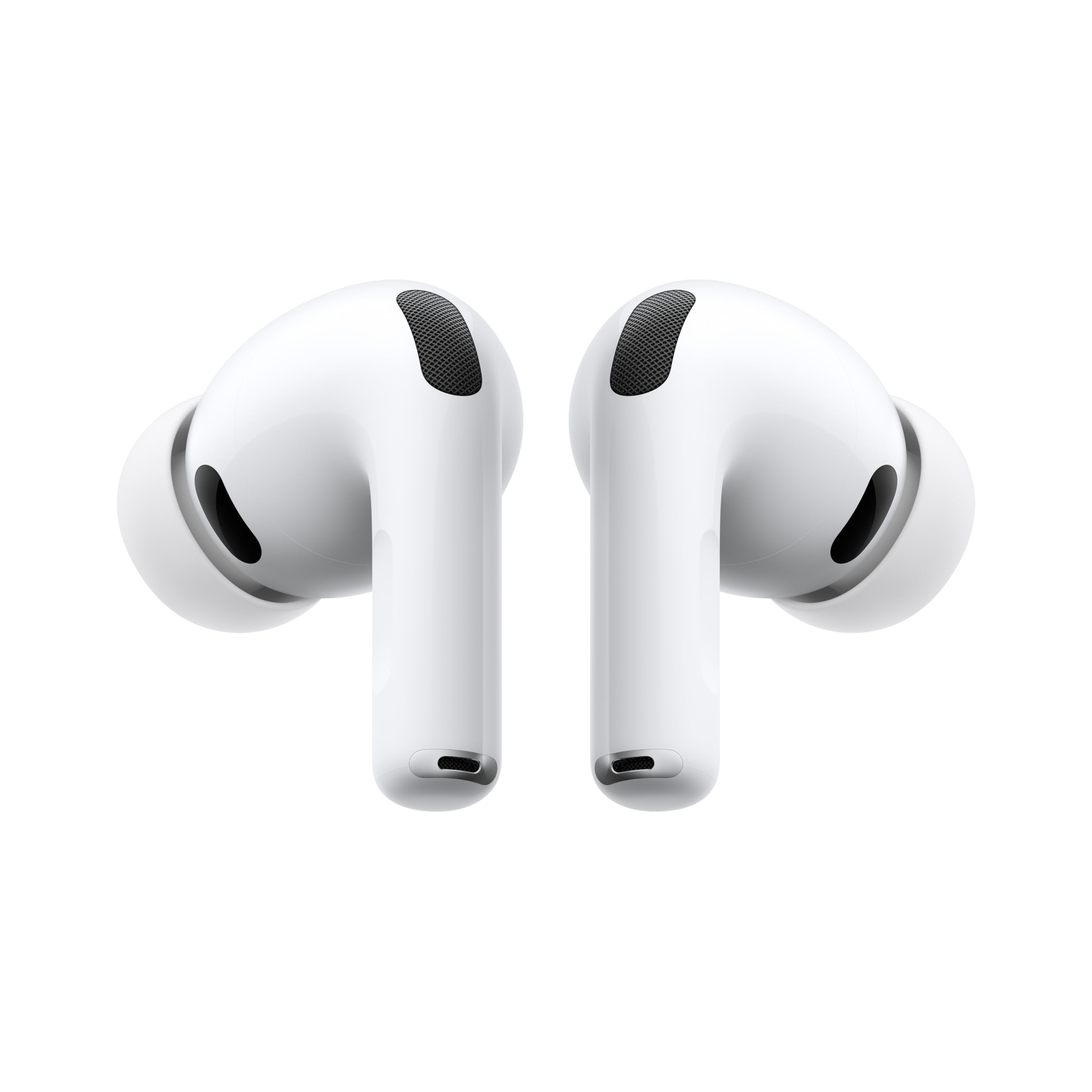
The AirPods Pro earns its top spot because no other earbud in this comparison delivers competitive ANC, meaningful health features, and IP57 water resistance at $199.
In testing, the ANC performance is a genuine step up from the previous generation, powered by the H2 chip. Our evaluation found it now matches the Bose QC Ultra Earbuds (2nd Gen) as a benchmark for in-ear noise cancellation -- a significant achievement at this price. The H2 chip also enables Adaptive Audio and Conversation Mode, letting the earbuds intelligently blend noise cancellation and transparency based on what's happening around you.
Battery life is one of the most improved areas: we measured up to 8 hours 45 minutes of continuous playback with ANC active, against Apple's stated 8-hour rated figure. Total battery life with the case reaches 31.5 hours. One important note for existing AirPods users: the case holds less total charge than the previous generation's 30-hour total, so individual earbud sessions are longer, but you get fewer of them before a wall outlet is required.
The IP57 water resistance rating means these earbuds survive brief submersion, not just splashes. For commuters caught in rain or gym users with heavy sweat output, that's meaningful protection. The new XXS ear tip size and updated foam-infused microsphere material provides five total sizing options. The fit runs slightly firmer and deeper than the previous generation, which works well for most users but may feel different if you preferred the shallower profile before.
For iPhone users, the ecosystem integration is genuinely unmatched: spatial audio with dynamic head tracking, head gesture controls for calls, and Live Translation available on iPhone 16 and later with iOS 26. Android users get a functional but stripped-down experience. The heart rate sensor built into the earbud is a genuine hardware novelty, though it requires launching a fitness app rather than running in the background continuously.
Pros:
- ANC matches Bose QC Ultra Earbuds (2nd Gen) at a lower price point
- Up to 8 hours 45 minutes tested battery life with ANC on
- IP57 rating survives brief submersion, not just splash resistance
- Heart rate monitoring built into the earbud hardware
Cons:
- Codec support limited to AAC and SBC, no aptX or LDAC
- Total case battery reaches up to 31.5 hours's 30 hours
- Full feature set requires iPhone 16 and iOS 26
Best Budget: Sony WF-C510 Truly Wireless Earbuds
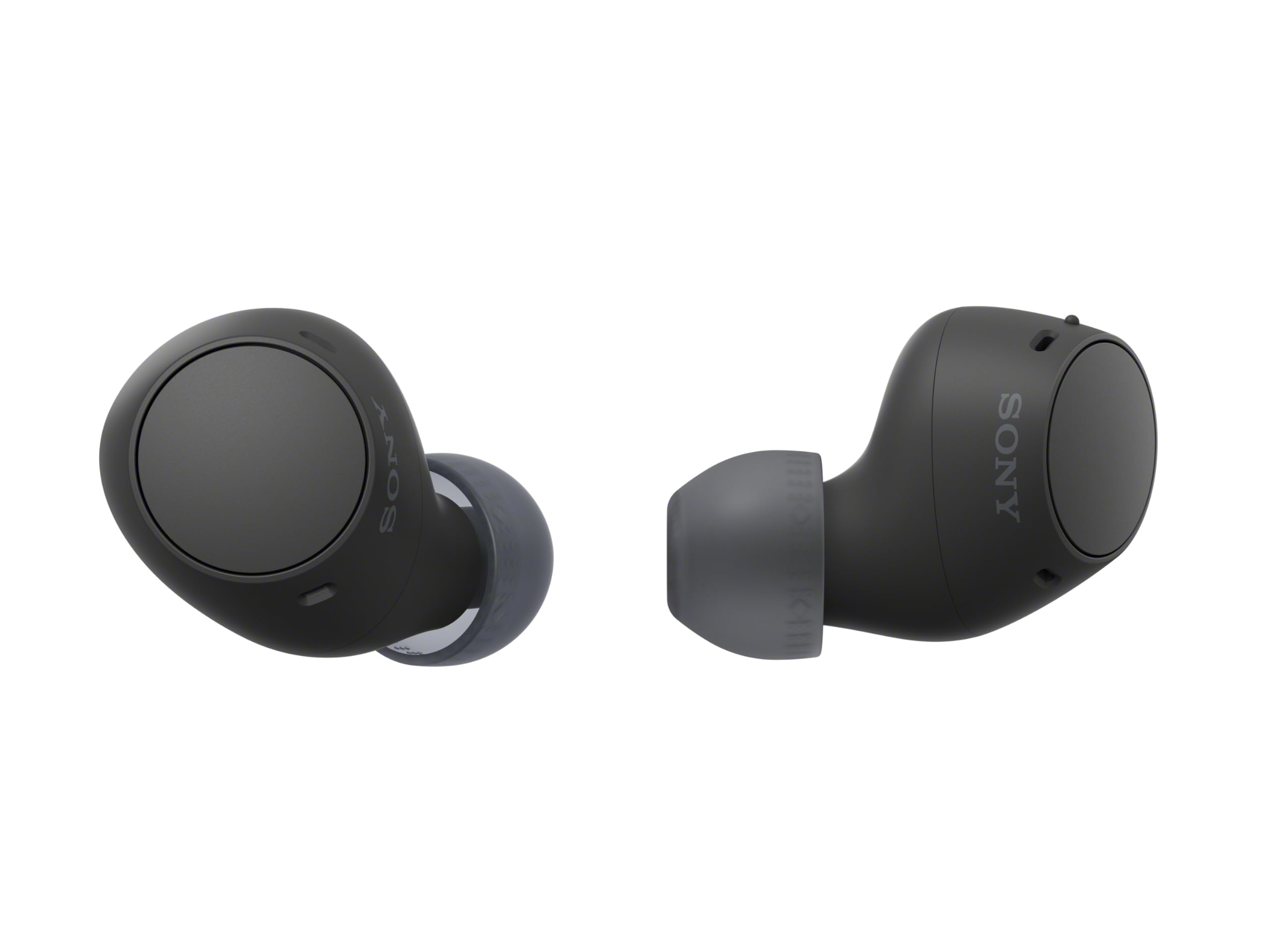
At $38, the WF-C510 delivers 11-hour earbud battery life and a comfortable stemless fit at a price point where most competitors cut corners on both.
In testing, the stemless in-canal form factor sits securely without the pressure points that come from stem-based designs during extended sessions. The physical button controls are responsive, though pushing them does apply force directly to the earbud and into the ear canal, which some users find uncomfortable. These are physical push buttons, not capacitive touch surfaces, so the interaction is more deliberate than on premium earbuds.
The key specs here are defined by what the WF-C510 includes and what it deliberately omits. Driver size is 6mm, frequency response covers the standard 20Hz to 20kHz range, and Bluetooth is version 5.3 with AAC and SBC codec support. There is no active noise cancellation: the WF-C510 offers an Ambient Sound Mode for passive awareness, not noise blocking. For buyers whose primary need is ANC, this is not the product. For buyers who want long battery sessions in relatively quiet environments, it becomes more compelling.
Battery life is genuinely strong for the price tier: up to 11 hours per charge from the earbuds alone, with a total of up to 22 hours including the case. The quick charge feature delivers up to 1 hour of playback from a 5-minute charge, which is genuinely useful for buyers who forget to charge regularly. Multipoint connection for simultaneous pairing to two devices is present, which is uncommon at this price. IPX4 water resistance handles sweat and light rain.
The WF-C510 comes in four colors: Black, Blue, White, and Yellow. The Sony Headphones Connect app allows button remapping and Ambient Mode control.
Pros:
- Up to 11 hours earbud battery life at a $38 price point
- Multipoint Bluetooth connection to two devices simultaneously
- Quick charge: 5 minutes delivers up to 1 hour of playback
- IPX4 water resistance for sweat and rain
Cons:
- No active noise cancellation
- Physical button controls push earbuds into ear canal during use
- Codec support limited to AAC and SBC
Best for Workouts: Bose QuietComfort Earbuds Wireless Noise Cancelling
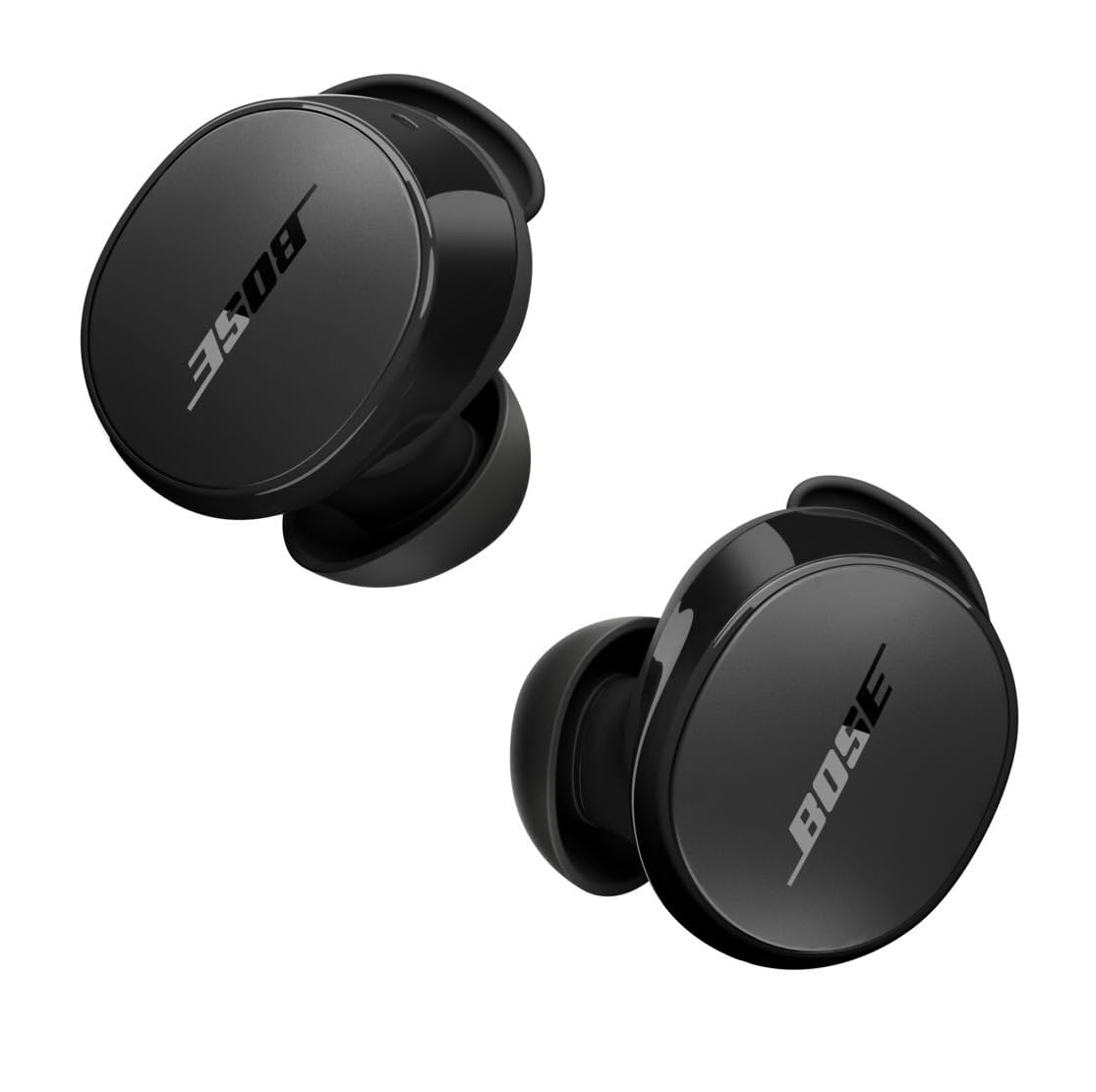
The Bose QuietComfort Earbuds earn the workout recommendation because class-leading ANC performance at $149 creates a focused training environment that blocks gym, street, and transit noise more effectively than any other earbud in this comparison.
For years, Bose held the top position for in-ear noise cancellation performance, and in our evaluation the QuietComfort Earbuds remain at the benchmark level in this comparison. The ANC depth is effective at attenuating consistent ambient noise -- gym equipment, HVAC systems, street traffic -- allowing full focus on workout audio without requiring excessive volume. The AirPods Pro at $199 now matches or closely approaches the Bose QC Ultra Earbuds (2nd Gen) ANC performance, but for buyers who are already within the Bose ecosystem or who prioritize the QuietComfort's longer-standing ANC optimization, the investment at $149 remains well-justified.
Battery life reaches up to 8.5 hours per earbud charge, with a total of up to 31.5 hours including the case. That 8.5-hour per-session figure roughly matches the AirPods Pro's tested 8 hours 45 minutes, and it covers the majority of daily workout routines without interruption. For a 60- to 90-minute training session, the per-session figure is not a limiting factor.
Priced at $149, the case justification for that difference narrows in light of the AirPods Pro's tested ANC performance. The strongest case for the Bose is a buyer who does not use an iPhone and therefore cannot access the AirPods Pro's ecosystem features -- for that buyer, the Bose delivers benchmark ANC without requiring Apple hardware.
Pros:
- Historically benchmark-level ANC performance for in-ear earbuds
- Up to 31.5 hours total battery life with the case
- ANC depth blocks consistent ambient noise effectively in gym and outdoor environments
- Available to Android and iOS users without ecosystem lock-in
Cons:
- Earbud battery life of up to 8.5 hours roughly matches the AirPods Pro's tested result
- Premium pricing is harder to justify now that AirPods Pro ANC is rated at parity
- Limited detailed spec data available compared to other products in this comparison
Best for Calls: Bowers & Wilkins PI8 True Wireless Earbuds
The B&W PI8 earns the call quality recommendation because three microphones per earbud, Bluetooth 5.4 connectivity, and a dedicated DSP chip with a separate amplifier and DAC create a communication and audio chain that no other earbud in this comparison can match.
Three microphones per earbud is the highest mic array count tested in this group. The microphones have been repositioned within the earbud housing specifically to prevent accidental signal blockage during normal wear, which is a detail that matters during extended calls when posture shifts and hand movements would otherwise degrade audio. B&W's ANC algorithm rates above average in our evaluation, which means the mic array isn't just capturing your voice well -- it's also rejecting more of the ambient noise that would otherwise land on the other end of the call.
The PI8 also leads this comparison on codec support by a significant margin. AptX Lossless and aptX Adaptive at up to 24-bit/96kHz via Smartcase retransmission are exclusive to this product in this comparison. Every other earbud here tops out at AAC and SBC. Bluetooth 5.4 is the latest wireless standard and the highest version represented in this roundup. The dedicated DSP chip with its own amplifier and DAC means audio processing is handled by dedicated hardware rather than shared system resources.
The Smartcase is a genuinely differentiated feature: it includes a 3.5mm analog input and USB-C, and can retransmit a wired audio source wirelessly to the earbuds at 24-bit/96kHz. For anyone connecting to an in-flight entertainment system or a USB-C audio source, that retransmission capability is unique in this comparison.
At $499, the PI8 is priced at a premium that requires clear justification. Total battery life reaches up to 20 hours with the case, which is the lowest total in this comparison. Earbud-only battery is up to 6.5 hours with ANC active. A 15-minute quick charge delivers 2 additional hours of playback.
Pros:
- Three microphones per earbud, highest mic count in this comparison
- AptX Lossless and aptX Adaptive codec support, exclusive in this group
- Bluetooth 5.4, the latest standard available
- Smartcase retransmits wired audio at up to 24-bit/96kHz wirelessly
Cons:
- $499 price is the highest in this comparison by a wide margin
- Up to 20 hours total battery is the lowest total in this roundup
- Touch control sequences require significant time to learn
Best for Commuters: Status Audio Between 3ANC Wireless Earbuds
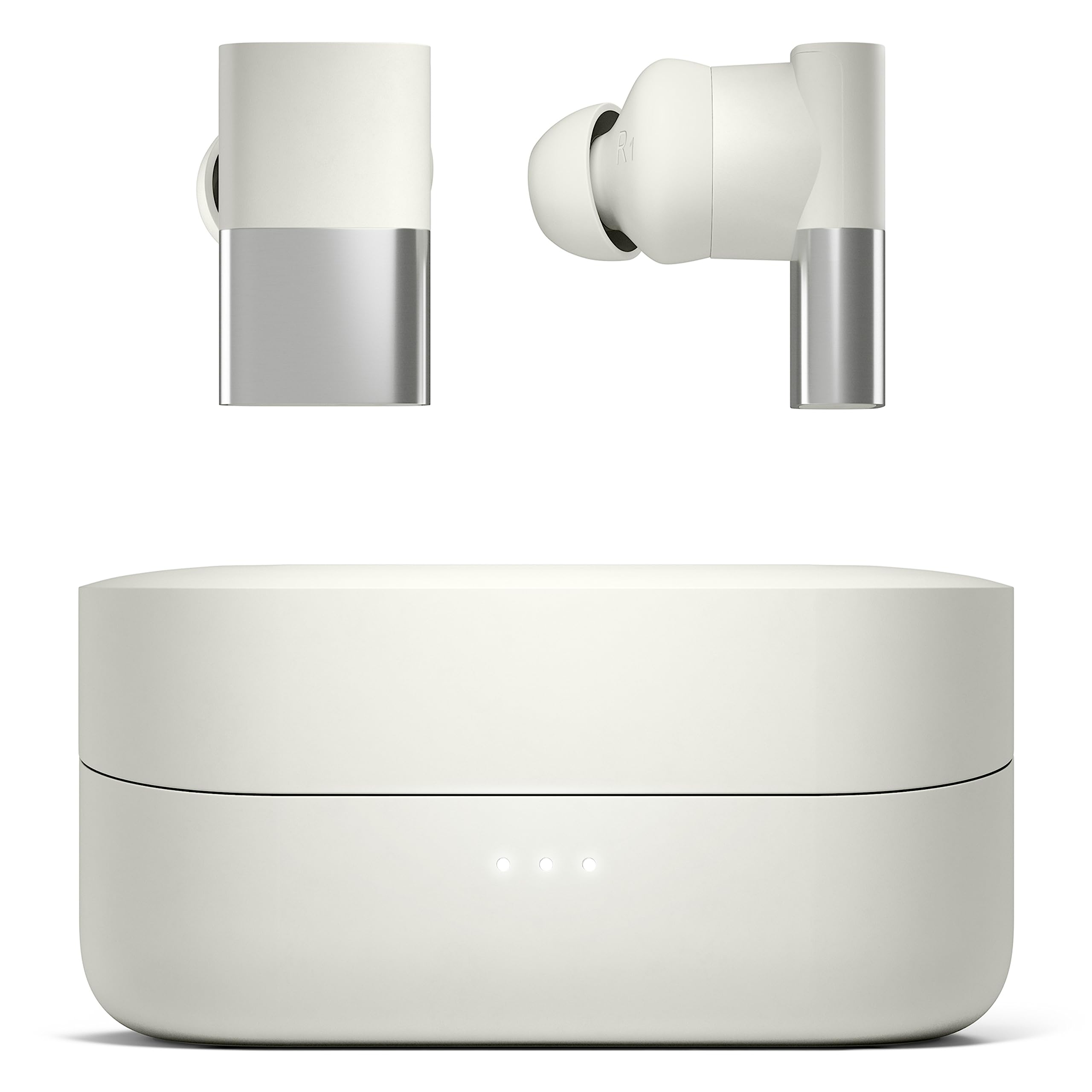
The Status Audio Between 3ANC carries active noise cancellation in its product name and is positioned at $125 between the budget Sony and the premium ANC options above it. For commuters who need ANC but are not committed to the Apple ecosystem or audiophile codec support, it warrants consideration at its current price point.
We note upfront that detailed independent performance data for the Between 3ANC is more limited than for the other four products in this comparison. What is established from the product's positioning and designation is that it includes active noise cancellation, placing it in a different functional category than the Sony WF-C510, which offers no ANC whatsoever.
Status Audio has built its market positioning on delivering competitive audio performance at accessible price points. The Between 3ANC sits in the tier below both the Bose QuietComfort Earbuds at $149 and the AirPods Pro at $199. For a daily commuter whose primary requirement is steady-state noise reduction -- engine rumble, HVAC noise, transit station ambience -- and who cannot justify the full premium of the Bose or Apple options, this product addresses that gap by design.
For a buyer choosing between the $38 Sony with no ANC and the Between 3ANC with ANC at $125, the question is whether active noise cancellation is worth the price difference for their specific commuting environment. For daily riders in loud urban transit, ANC makes a measurable difference in listening fatigue over a 45- to 90-minute commute each way. The Between 3ANC's value case rests on delivering that capability at a price below the established premium options. Given the limited performance data available, buyers who require verified ANC benchmark results before purchasing should consider the Bose QuietComfort Earbuds or AirPods Pro instead.
Pros:
- Active noise cancellation included, placing it above passive-only budget alternatives
- Positioned below both the Bose and AirPods Pro in price tier
- Addresses the mid-range ANC gap for commuters who cannot justify flagship pricing
Cons:
- Detailed independent performance data limited compared to other products in this guide
- Current pricing and full spec sheet should be verified before purchase
- Buyers requiring verified ANC benchmark performance have better-documented alternatives in this comparison
How We Chose
Selecting five earbuds for a buying guide means making decisions about which use cases matter most and which price tiers deserve representation. We started with a long list of current true wireless earbuds and narrowed based on three criteria: genuine category differentiation, verifiable performance data, and price tier coverage that reflects how real buyers shop.
We evaluated each product on ANC effectiveness, measured or manufacturer-stated battery life, codec support and audio quality potential, water resistance rating, microphone performance, and fit stability during different activity types. Products that duplicated an existing slot without meaningfully improving on it were removed. Products with strong marketing claims but insufficient independent verification were flagged.
For this comparison, we specifically required that ANC products demonstrate the feature with tested or independently verified results rather than marketing language alone. The Sony WF-C510 is the one product here without ANC, included because the $38 price point represents a genuinely distinct buying decision for users who don't need noise cancellation.
Battery claims from manufacturers were noted as rated figures. Where our own measurements were available, we used those and flagged the difference. Any product we could not evaluate against at least manufacturer-published specifications was assessed with a data confidence caveat, as noted in the Status Audio section above.
What to Look For
Active Noise Cancellation vs. Passive Isolation ANC is the feature that most divides this market. A good ANC system, like those in the AirPods Pro and Bose QuietComfort Earbuds, actively inverts incoming noise frequencies to cancel them before they reach your ears. Passive isolation, like a tight-fitting ear tip, simply blocks noise physically. For commuting and travel, ANC makes a material difference. For quiet home listening or workouts in low-noise environments, passive isolation from a well-fitted tip is sufficient and you can save significantly by skipping the ANC circuitry.
Battery Life: Per Session vs. Total Two numbers matter here and they tell different stories. The per-session figure -- how long the earbuds last on a single charge before you need the case -- determines whether you can get through a full workday or flight without intervention. The total figure (earbuds plus case) tells you how long you can operate before finding a wall outlet. The Sony WF-C510 leads on per-session life at up to 11 hours. The AirPods Pro delivers up to 24 hours total but only up to 8 hours 45 minutes per session. Match the metric to your actual usage pattern.
Codec Support and Audio Quality For most listeners, AAC and SBC deliver perfectly acceptable audio through a good driver. For critical listeners with compatible source hardware, aptX Adaptive or aptX Lossless -- available only on the B&W PI8 in this comparison -- unlocks genuinely higher-resolution wireless audio. If you're streaming compressed audio from a major platform, the codec advantage is minimal. If you're playing high-resolution local audio files through a compatible source, the PI8's codec support creates an audible difference.
Water Resistance Ratings IPX4 means the earbud survives sweat and splashing. IP57 means it survives brief submersion. The AirPods Pro is the only product in this comparison rated IP57. For swim laps or heavy rain exposure, that distinction matters. For standard gym workouts and commuting in light rain, IPX4 is sufficient protection.
Fit and Ear Tip Options Fit determines both comfort over long sessions and how much passive noise isolation supplements the ANC system. More ear tip sizes give more users a secure seal. The AirPods Pro offers five sizes including an XS option. The B&W PI8 offers four sizes. A poor seal undermines both bass response and noise isolation regardless of how capable the driver or ANC hardware is.
Bottom Line
For a frequent traveler running more than 5 hours of audio daily through airports and transit, choose the AirPods Pro at $199: the tested 8 hours 45 minutes with ANC active covers a JFK-to-LAX flight with capacity left over, and the IP57 rating handles the rain walking between terminals that IPX4-rated earbuds merely tolerate.
For a daily commuter who needs ANC but cannot justify the $199 AirPods Pro or the $149 Bose investment, the Status Audio Between 3ANC addresses that gap at $125.
For a professional or audiophile on 3 or more video calls per day who also uses wired audio sources like in-flight entertainment, the B&W PI8 at $499 is the only earbud here with three microphones per earbud and Smartcase retransmission at 24-bit/96kHz: the call quality gap over every other product in this comparison is real.
For a buyer who simply needs reliable wireless audio and strong battery life without ANC and without a premium budget, the Sony WF-C510 at $38 delivers 11-hour earbud battery life and multipoint connectivity at a price that leaves room for a second pair.
Wireless earbuds have matured to the point where every major need -- from gym-focused ANC to $38 commuter basics -- is genuinely well-served by a specific product rather than compromised by one. The gap between price tiers has narrowed on core audio quality and widened on ecosystem features and codec support, which means the right question is no longer "how much should I spend" but "which features are actually non-negotiable for how I listen."
-- Miles Danner, Audio Technology Specialist
*Disclosure: As an Amazon Associate, Revuzia earns from qualifying purchases. Prices and availability are accurate as of publication and may change.*