SpaceX launches Cygnus XL with 11,000 pounds of cargo to ISSSpaceX launches Cygnus XL with 11,000 pounds of cargo to ISSSpaceX launches Cygnus XL with 11,000 pounds of cargo to ISSSpaceX launches Cygnus XL with 11,000 pounds of cargo to ISS
April 12, 2026
Northrop Grumman's second Cygnus XL cargo spacecraft launched from Cape Canaveral on Saturday morning, April 11, carrying 11,000 pounds of science equipment and supplies to the International Space Station aboard a SpaceX Falcon 9 rocket. That's 2,500 pounds more than the
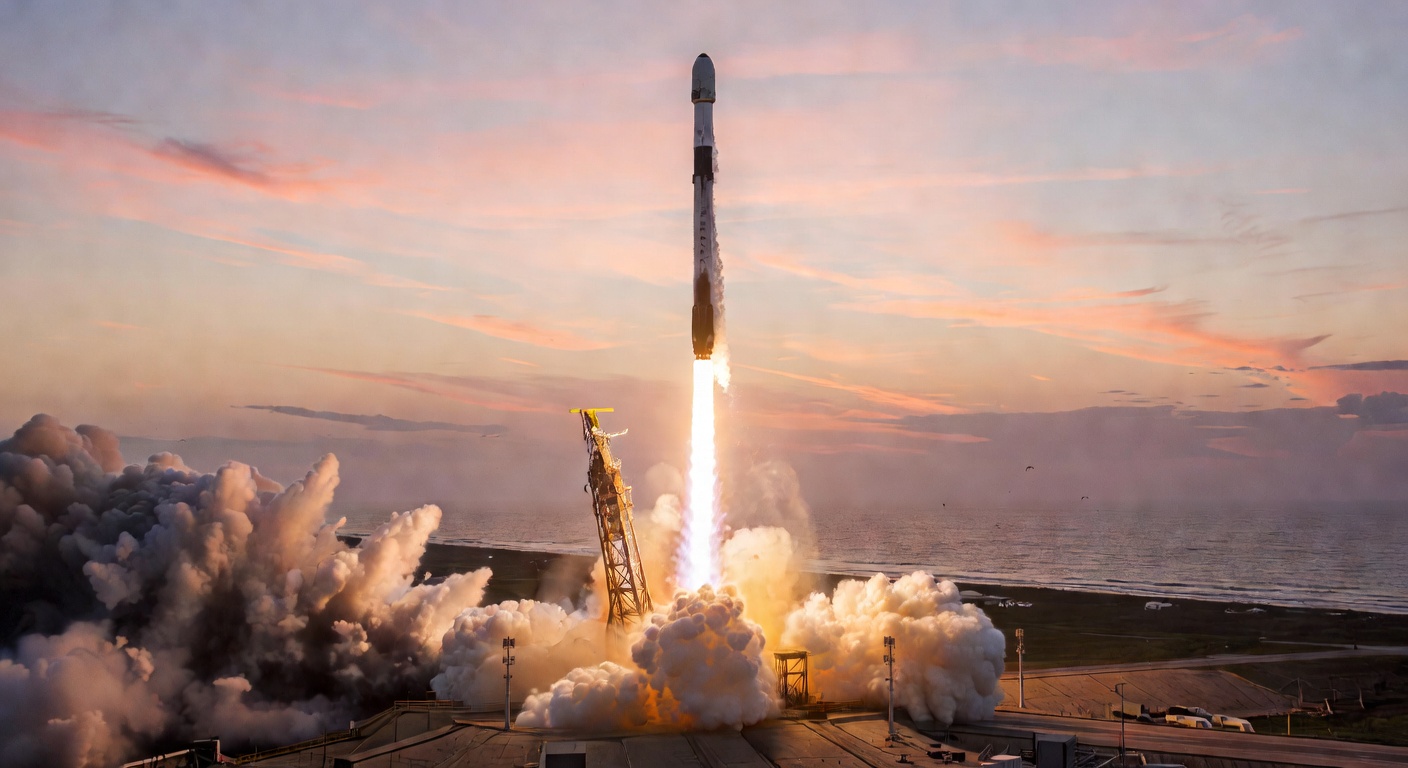
Northrop Grumman's second Cygnus XL cargo spacecraft launched from Cape Canaveral on Saturday morning, April 11, carrying 11,000 pounds of science equipment and supplies to the International Space Station aboard a SpaceX Falcon 9 rocket. That's 2,500 pounds more than the original Cygnus design hauled across more than 20 missions, a 30% capacity increase that marks a significant upgrade to NASA's orbital logistics network. The irony: Northrop Grumman's workhorse freighter now flies exclusively on a competitor's rocket.
The launch came at 7:41 a.m. EDT from Cape Canaveral Space Force Station, with NASA spokesperson Sandra Jones delivering the callout: "And liftoff! Science and supplies soaring to the International Space Station aboard the S.S. Steven R. Nagel," according to Space.com. The spacecraft is named for the late astronaut Steven R. Nagel, who flew four shuttle missions between 1979 and 1995, logging more than 720 hours in orbit before his death in 2014. This mission, designated NG-24, represents Northrop Grumman's 24th resupply flight to the ISS under its NASA contract and the second deployment of the enlarged Cygnus XL variant, which debuted in September 2025.
What Happened
The Falcon 9 first stage, flying its seventh mission, executed a precise landing back at Cape Canaveral just eight minutes after liftoff. Fourteen minutes into flight, the Cygnus XL separated from the Falcon 9 upper stage and began its independent journey to the ISS. Approximately one hour post-launch, the spacecraft deployed its solar arrays to power the two-day transit.
The S.S. Steven R. Nagel is scheduled to arrive at the ISS on Monday, April 13, at 12:50 p.m. EDT. Unlike SpaceX's Dragon capsule, which autonomously docks to the station, Cygnus relies on the ISS's Canadarm2 (a 57-foot robotic arm built by Canada) to grapple the approaching spacecraft and manually berth it to a docking port. This capture-and-attach method requires precise coordination between ground controllers and the station's robotic systems.
The first Cygnus XL, which launched in September 2025, remained attached to the ISS for six months before departing on March 12, 2026. That duration suggests the S.S. Steven R. Nagel will likely stay docked through October 2026, serving as both a supply depot and, eventually, a trash receptacle. Because Cygnus is expendable (designed for one-way missions), it will burn up during atmospheric reentry at mission's end, unlike the reusable Dragon capsules that return science samples and equipment to Earth.
The Science Behind It
The Cygnus XL's 11,000-pound payload capacity represents a substantial engineering leap from the original Cygnus freighter, which topped out at 8,500 pounds. Northrop Grumman has not publicly detailed the structural modifications enabling the upgrade, but the enlarged cargo capacity likely involves extended pressurized cargo module length, reinforced load-bearing structures, and possibly uprated propulsion to manage the heavier mass during orbital maneuvers.
The switch from Northrop Grumman's Antares rocket to SpaceX's Falcon 9 for both Cygnus XL missions reflects a pragmatic shift in launch strategy. Antares, developed specifically to launch the original Cygnus, lacks the thrust margin to lift the heavier XL variant. Falcon 9's reusability adds another dimension: the booster that launched NG-24 has now flown seven times, driving down per-flight costs.
Cygnus's reliance on Canadarm2 capture instead of autonomous docking is rooted in heritage. The spacecraft uses a passive common berthing mechanism (CBM), a standardized interface dating back to the ISS assembly era, which requires external manipulation but provides a larger hatchway for transferring bulky cargo. Dragon uses an international docking adapter (IDA) for autonomous arrival, a newer standard optimized for crewed vehicles that need rapid abort capability.
Why This Mission Matters
The ISS depends on four robotic cargo vehicles to sustain its six-person crew and maintain a steady flow of scientific experiments: Cygnus XL from the United States (Northrop Grumman), HTV-X from Japan, Progress from Russia, and Dragon from the United States (SpaceX). Only Dragon returns to Earth intact, making it the sole option for retrieving time-sensitive biological samples, completed experiments, and failed hardware needing ground analysis. Cygnus, HTV-X, and Progress are all expendable, loaded with trash and obsolete equipment before their fiery reentries.
NG-24 marks the second Cygnus XL flight in a fleet transition that quietly expands NASA's orbital logistics capacity. The first XL's six-month ISS attachment established a precedent for extended on-orbit storage, effectively turning each Cygnus into a temporary pressurized module. That duration matters because ISS resupply operates on a tight margin: a single missed launch window or vehicle failure can force rationing of consumables. The 30% capacity boost per Cygnus flight creates additional buffer against disruptions.
This mission underscores the deepening commercial partnership model that now defines U.S. spaceflight. NASA contracts Northrop Grumman for cargo delivery, Northrop Grumman subcontracts SpaceX for launch services, and SpaceX reuses boosters to drive down costs across the entire supply chain. The result is a multi-vendor logistics network more resilient than any single vertically integrated provider could achieve.
The ISS remains a focal point for microgravity research, materials science, Earth observation, and technology demonstrations. Every Cygnus cargo manifest includes experiments designed by universities, private companies, and international partners. The station's operational lifespan currently extends through 2030, with partner nations debating potential extensions to 2035. Sustaining that presence requires reliable cargo throughput, and Cygnus XL's expanded capacity helps ensure the ISS remains continuously crewed and scientifically productive.
What Comes Next
The S.S. Steven R. Nagel will spend Monday morning making final approach maneuvers, positioning itself within reach of Canadarm2's grapple fixture. ISS crew members, guided by ground controllers in Houston, will command the robotic arm to capture the spacecraft at 12:50 p.m. EDT on April 13, then maneuver it to an open berthing port for hard-mate attachment. Once pressurized and leak-checked, astronauts will open the hatch and begin unloading the 11,000 pounds of cargo, a process that typically takes several days as crew members inventory deliveries and stow equipment in designated ISS modules.
Based on the first Cygnus XL's six-month mission profile, NG-24 will likely remain docked through October 2026. During that period, it serves dual roles: pressurized storage locker for new cargo and, eventually, waste disposal container for trash, obsolete hardware, and experiment byproducts. When the ISS crew has filled every available cubic foot with disposal items, ground controllers will command Cygnus to unberth, execute a deorbit burn, and reenter Earth's atmosphere over the Pacific Ocean. The spacecraft and its contents will disintegrate during reentry.
Northrop Grumman's resupply contract with NASA includes additional Cygnus XL missions, though the exact cadence remains subject to ISS operational needs. SpaceX's Falcon 9 appears positioned to remain the primary launch vehicle for Cygnus XL, given Antares's thrust limitations and the booster reusability economics that benefit all parties.
The broader ISS resupply network will see continued flights from Japan's HTV-X, Russia's Progress, and SpaceX's Dragon through the end of the decade. Each provider brings distinct capabilities: Dragon's Earth return, Cygnus XL's expanded volume, HTV-X's external pallet delivery for unpressurized cargo, and Progress's rapid-launch contingency capacity. Together, they form a redundant logistics backbone that keeps the ISS operational even when individual vehicles face delays or failures.
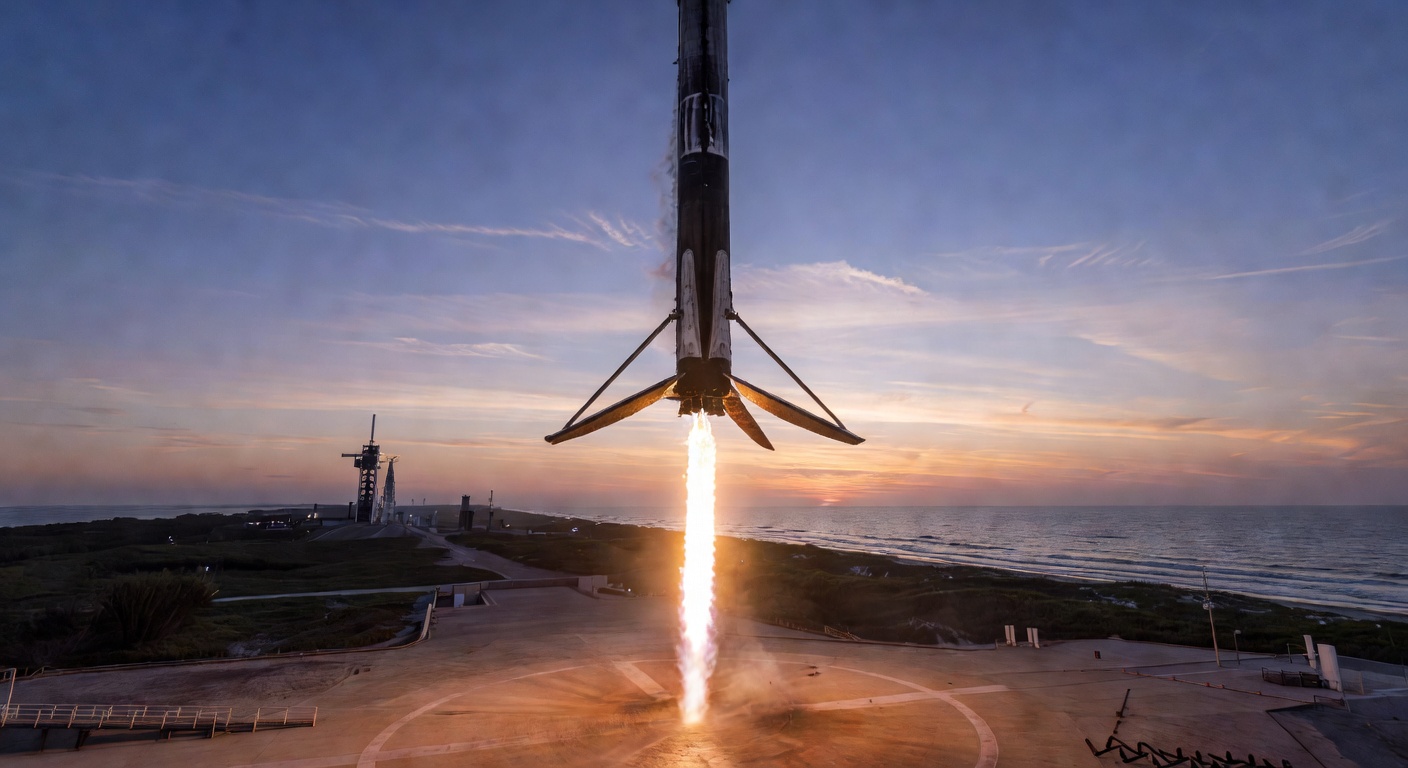
The Steven R. Nagel spent four missions proving that the space shuttle could haul entire laboratories into orbit. Now a cargo ship bearing his name is doing the same work with 30% more capacity and none of the fanfare. Progress in spaceflight often looks like this: quieter, cheaper, and loaded with an extra ton of freeze-dried food.
-- Zara Velez, Emerging Technology Editor
Sources: Space.com
More on Revuzia
Quantum computer breakthrough tracks qubit fluctuations in real time
More on Revuzia
JWST Finds Uranus Rings Hide Unknown Moons in Organic Dust
USC Roboticist Maja Mataric Turns Autism Therapy Robots Toward Campus Mental Health
Algorithmiq Raises EUR 18 Million, Beats Harvard and Stanford on Quantum Drug Simulation