Canadian Firm Builds US Graphite Independence With Canadian Rails and an Unnamed PartnerCanadian Firm Builds US Graphite Independence With Canadian Rails and an Unnamed PartnerCanadian Firm Builds US Graphite Independence With Canadian Rails and an Unnamed PartnerCanadian Firm Builds US Graphite Independence With Canadian Rails and an Unnamed Partner
June 19, 2026
On June 18, 2026, Graphite One announced it had engaged an unnamed "leading global engineering and production line integration provider" to design manufacturing equipment for its new processing facility in Conneaut, Ohio, targeting 10,000 metric tons of anode active materials
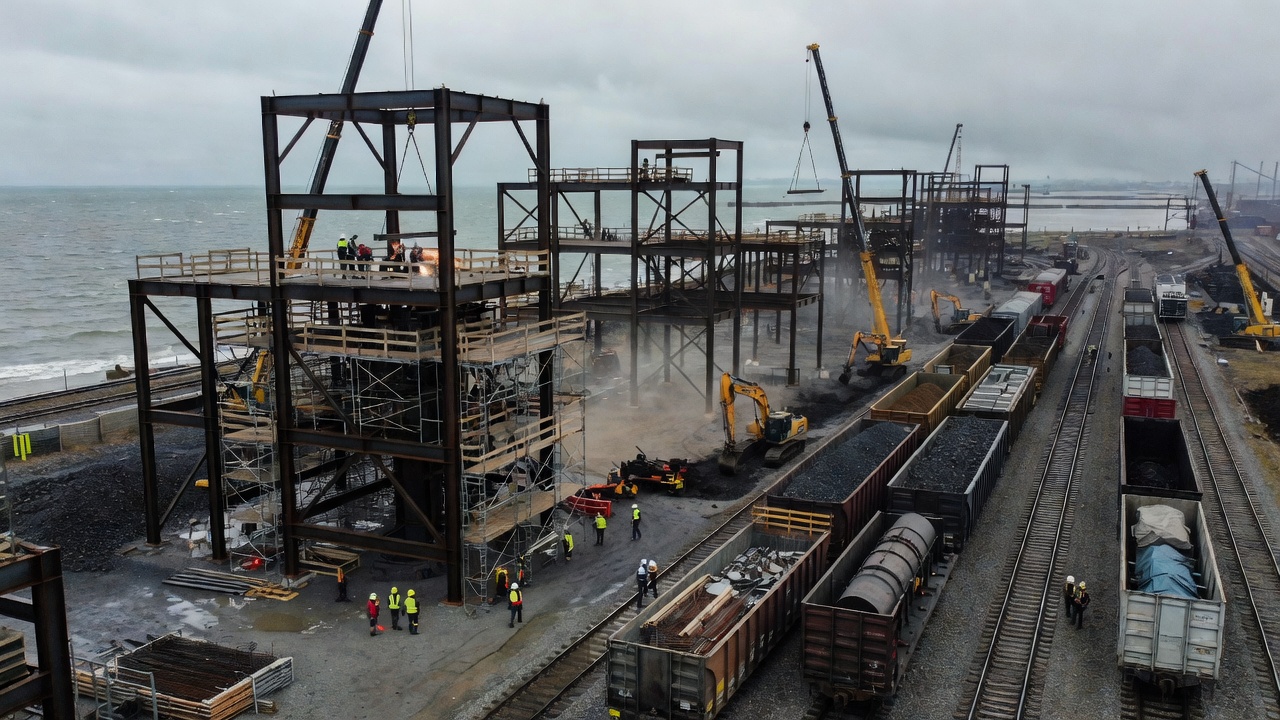
On June 18, 2026, Graphite One announced it had engaged an unnamed "leading global engineering and production line integration provider" to design manufacturing equipment for its new processing facility in Conneaut, Ohio, targeting 10,000 metric tons of anode active materials per year by Q4 2027. The catch: the Canadian company headquartered in Vancouver is building America's domestic graphite independence story with a Canadian railroad, a Canadian parent company, and an engineering partner whose identity it will not disclose. The supply chain that is supposed to reduce US dependence on China runs, at almost every logistical seam, on non-American thread.
For sustainability professionals and battery supply chain watchers, the timing matters. The US is scrambling to onshore critical battery materials as geopolitical risk around Chinese graphite supply has sharpened, and Graphite One is one of the few companies in position to offer a North American alternative. The Conneaut announcement, combined with the company's May 2026 disclosure that anode samples are already in the hands of three A-list EV makers and three battery manufacturers, suggests commercial engagement is running well ahead of the financing that would actually fund construction. This article tracks what Graphite One has built, what it still needs, and why the domestic battery supply chain narrative is more complicated than the press releases suggest.
What's New
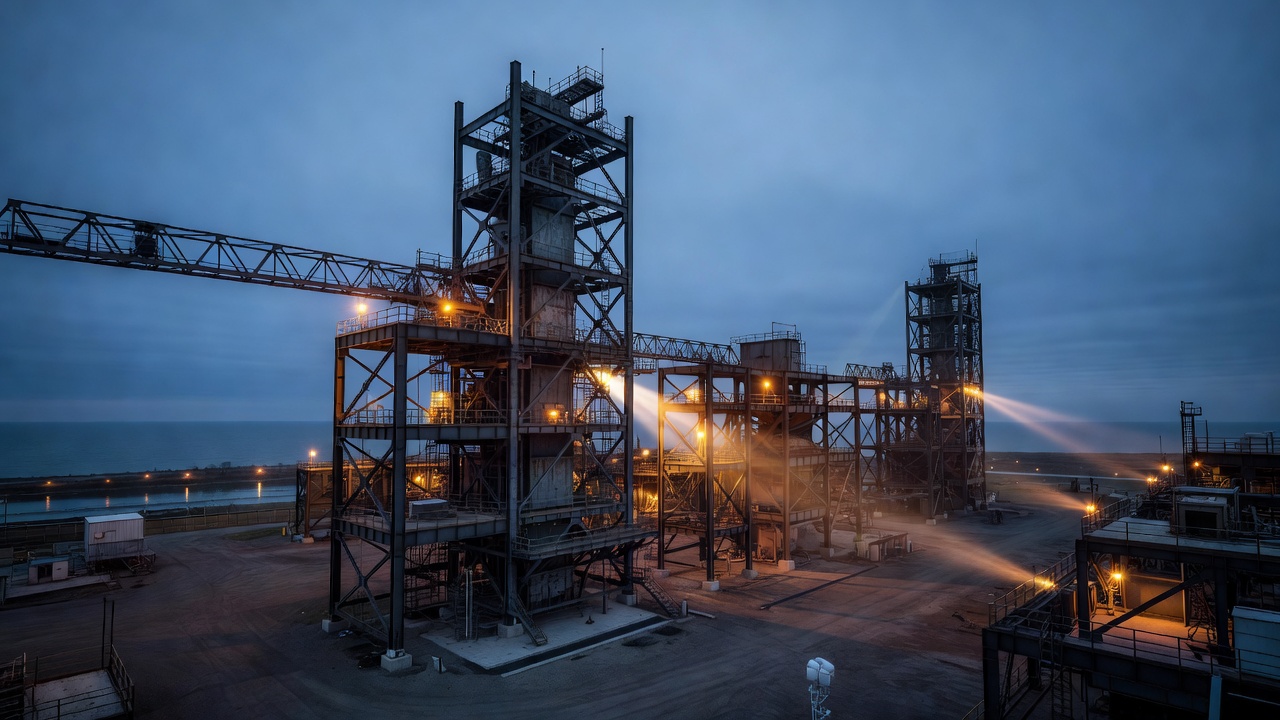
Graphite One acquired its Conneaut, Ohio processing site in May 2026, selecting it over a previously considered site in Warren, Ohio. The decisive advantages were existing power infrastructure, direct rail connectivity through the Bessemer and Lake Erie Railroad Company, a subsidiary of Canadian National Railway, and proximity to Lake Erie and the Great Lakes shipping corridor. The rail connection matters for the planned supply model: mine graphite at Graphite Creek in Alaska, ship it to Ohio, process it into anode active materials (the refined graphite compounds that serve as the negative electrode in lithium-ion batteries), and supply North American battery and EV manufacturers.
The June 18, 2026 announcement added the next operational milestone. Graphite One confirmed it had engaged what it described only as a "leading global engineering and production line integration provider" to design and integrate the manufacturing equipment for the Conneaut facility. Per Graphite One's corporate statement: "The engineering team will provide Production Line Integration services, ensuring the seamless coordination and optimization of the equipment that will form the backbone of Graphite One's Ohio manufacturing operations." The engineering firm's identity was withheld.
The facility is planned in two phases. Phase I targets 10,000 metric tons per year of anode active materials, with construction completion projected for Q4 2027. Phase II would expand capacity to 25,000 metric tons per year, with construction targeted for completion in Q3 2028, beginning while Phase I is already operational. Graphite One has stated the site has room for expansion beyond Phase II.
How It Works
The feedstock for the entire operation sits at Graphite Creek, north of Nome, Alaska. The US Geological Survey (USGS) has identified Graphite Creek as the largest graphite deposit in the United States and among the largest in the world. In fall 2025, Graphite One confirmed graphite presence at the property, establishing the geological foundation for the vertically integrated supply model: mine in Alaska, process in Ohio, sell into North American battery manufacturing.
The chemistry rationale is straightforward. Graphite is the dominant material for EV battery anodes -- the negative electrode in a lithium-ion cell where lithium ions intercalate (insert between atomic layers) during charging. While cathode chemistry -- the positive electrode side -- has diversified rapidly across multiple competing formulations, the anode side has remained stable. As Graphite One states: "While cathode chemistries (where lithium, nickel, cobalt, and manganese are used) are evolving rapidly, the anode side remains dominated (>95%) by graphite."
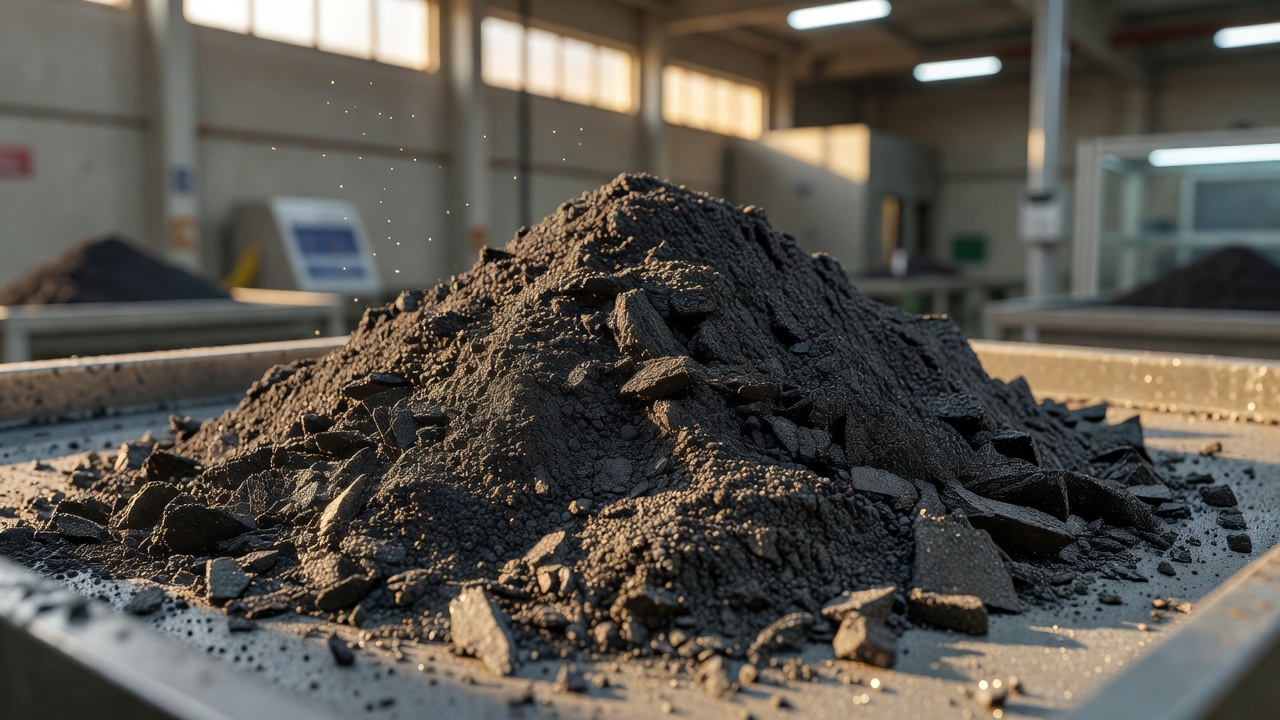
Silicon and lithium metal are the most-discussed anode alternatives, but neither has matched graphite on cost and manufacturability at scale. Graphite One frames this position as structural, not temporary: "Despite research into silicon, lithium metal, and other alternatives, none have yet matched graphite's combination of cost and manufacturability." The company has supplied anode material samples to three A-list EV makers and three battery manufacturers, with off-take agreement discussions described as ongoing.
The Economics
Graphite One is building into a policy headwind. The Trump administration eliminated the $7,500 EV tax credit last fall, contributing to a significant decline in EV sales. Ford has dialed back its near-term EV production plans, citing softening demand.
But the industrial investment signal has not collapsed. Rivian is progressing on a new factory in Georgia supported by a $4.5 billion DOE loan, evidence that federal industrial policy for EV manufacturing infrastructure has continued even as the consumer subsidy disappeared. Ford, despite its near-term pullback, has affirmed plans for future affordable EVs built on LFP (lithium-iron-phosphate) cathode chemistry -- a formulation that still relies on graphite anodes, meaning the cathode shift does not reduce graphite demand.
The strategic case for Graphite One's Ohio facility rests on a dependency the US battery industry has not solved: the overwhelming share of battery-grade graphite supply currently flows through China. Domestic US graphite processing is likely to carry a cost premium over current overseas supply -- a differential Graphite One is proceeding with regardless. The bet is that supply chain security and tariff exposure justify that premium for North American customers seeking localized sourcing.
One critical gap remains publicly unresolved: financing. No dollar amount, no named investors, and no loan guarantees for the Conneaut facility have been announced. The company is running commercial sample engagement with six major industrial customers while the capital stack that would fund construction remains undisclosed.
Competitive Landscape
No directly comparable commercial peers were publicly identifiable at publication time in North American natural graphite processing for EV anodes. The competitive reality is structural: the more than 95 percent anode market share held by graphite globally is supplied overwhelmingly by Chinese mining and processing operations, which control both raw material extraction and the downstream purification and shaping steps required to produce battery-grade anode active materials.
Synthetic graphite alternatives represent a parallel track. Synthetic graphite is produced through thermal graphitization of hydrocarbon materials at temperatures exceeding 2,100 degrees Celsius, most commonly through the Acheson process. It achieves high purity but typically carries higher energy intensity and production cost than natural graphite -- implications that matter both for cost competitiveness and lifecycle carbon accounting.
The sample engagement Graphite One has achieved with three EV OEMs and three battery manufacturers functions as commercial validation in the absence of signed off-take agreements. For an early-stage critical materials supplier, getting anode samples into the hands of six major potential customers before a facility is built is a meaningful competitive signal. The unnamed engineering firm engaged June 18 adds a credibility layer to the manufacturing timeline, though withholding its identity limits independent verification of the partnership's depth.
Independent analyst commentary specifically on this announcement was not publicly available at publication time.
What's Next
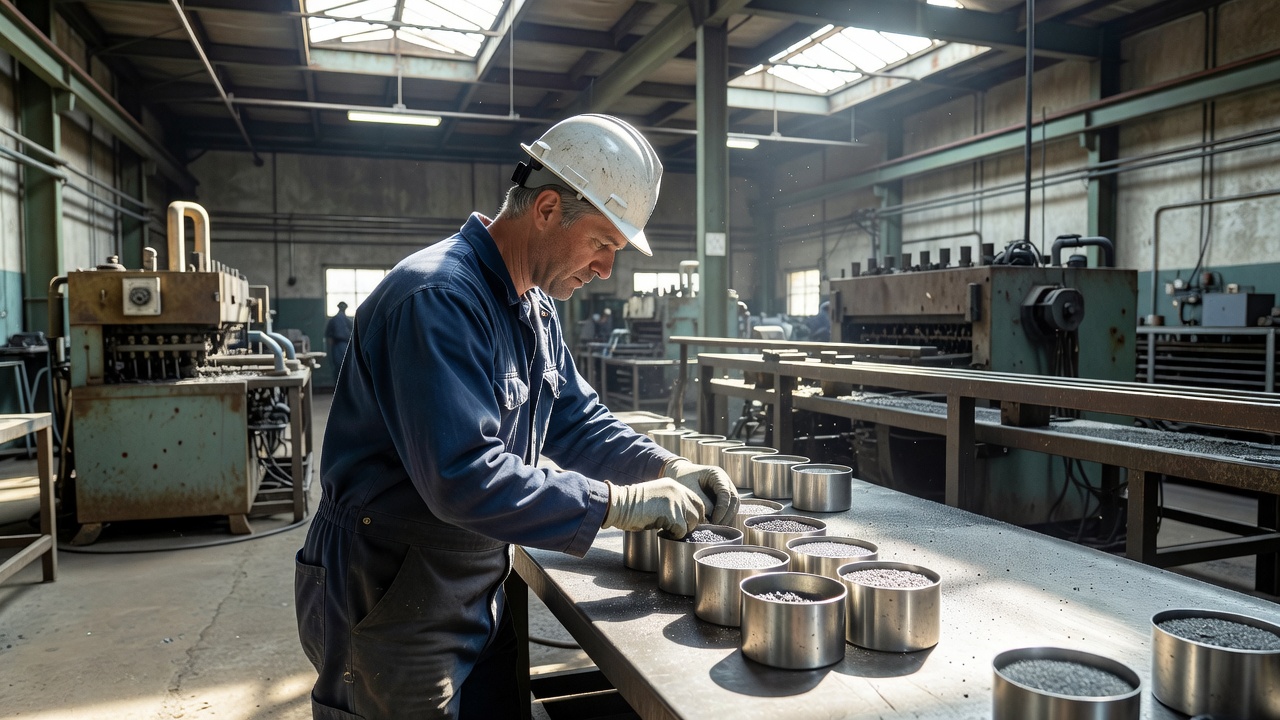
Phase I construction at Conneaut is targeted for completion in Q4 2027 at 10,000 metric tons per year. Phase II construction, which begins while Phase I is running, targets completion in Q3 2028 at 25,000 metric tons per year. The site has been described as having room for further expansion beyond Phase II.
What the timeline does not include is a date for the Alaska mine. Graphite Creek's geological presence was confirmed in fall 2025, but the permitting and operationalization timeline for the mine itself has not been publicly stated. The Ohio facility is building toward operational status on a schedule that precedes any disclosed timeline for the upstream feedstock source -- meaning early operation may depend on sourcing arrangements not yet publicly described.
The six sample engagements represent the next commercial inflection point. Moving from sample evaluation to signed off-take agreements is the step that typically unlocks project financing. Samples first, then agreements, then capital is a standard path for critical minerals projects, and the gap between where Graphite One sits now and a funded construction start remains material.
- Q4 2027: Phase I construction completion target, 10,000 metric tons/year capacity, Conneaut, Ohio
- Q3 2028: Phase II construction completion target, 25,000 metric tons/year capacity
- Pending: Financing disclosure, off-take agreements with 3 EV OEMs and 3 battery manufacturers, Alaska mine permitting timeline
- Pending: Identity of engineering firm and full scope of production line integration contract
For retail investors and procurement analysts watching the North American battery supply chain: A procurement officer at a North American battery manufacturer currently sourcing graphite through Chinese supply chains is evaluating a specific trade-off -- whether the tariff risk and supply disruption exposure embedded in that sourcing relationship makes Graphite One's likely cost premium worth absorbing before a single ton has been processed in Ohio. At 25,000 metric tons per year at full Phase II build-out, the Conneaut facility would represent a meaningful but partial contribution to North American supply security. The financing gap and the undisclosed mine timeline are the two variables that determine whether that math ever closes.
The most clarifying thing about this announcement is what it reveals about how domestic supply chain independence actually gets built: not in one move, not by one country, and not with the financing in place before the customers are lined up. Graphite One is Canadian, its railroad is Canadian, its engineering partner is unnamed and almost certainly not American, and its mine is in Alaska with no disclosed permitting timeline. The US graphite independence story is real and strategically necessary -- but it is being assembled by parties who are not, for the most part, American. That is not a criticism of Graphite One. It is an honest description of where US industrial capacity in critical minerals actually stands in mid-2026.
-- Raj Malhotra, Market Analysis Director
Sources: CleanTechnica, June 19, 2026 · DOE Critical Materials List, Federal Register · Graphite One SEC Filing