XPENG G6 Rolls Off Malaysian Line as Chinese EV Brands Converge on One FactoryXPENG G6 Rolls Off Malaysian Line as Chinese EV Brands Converge on One FactoryXPENG G6 Rolls Off Malaysian Line as Chinese EV Brands Converge on One FactoryXPENG G6 Rolls Off Malaysian Line as Chinese EV Brands Converge on One Factory
July 6, 2026
The first locally assembled XPENG G6 rolled off the production line at EP Manufacturing Berhad (EPMB)'s HICOM Pegoh Industrial Park in Melaka, Malaysia, in June 2026, less than six months after XPENG and EPMB signed their assembly agreement. The speed of execution is the easy
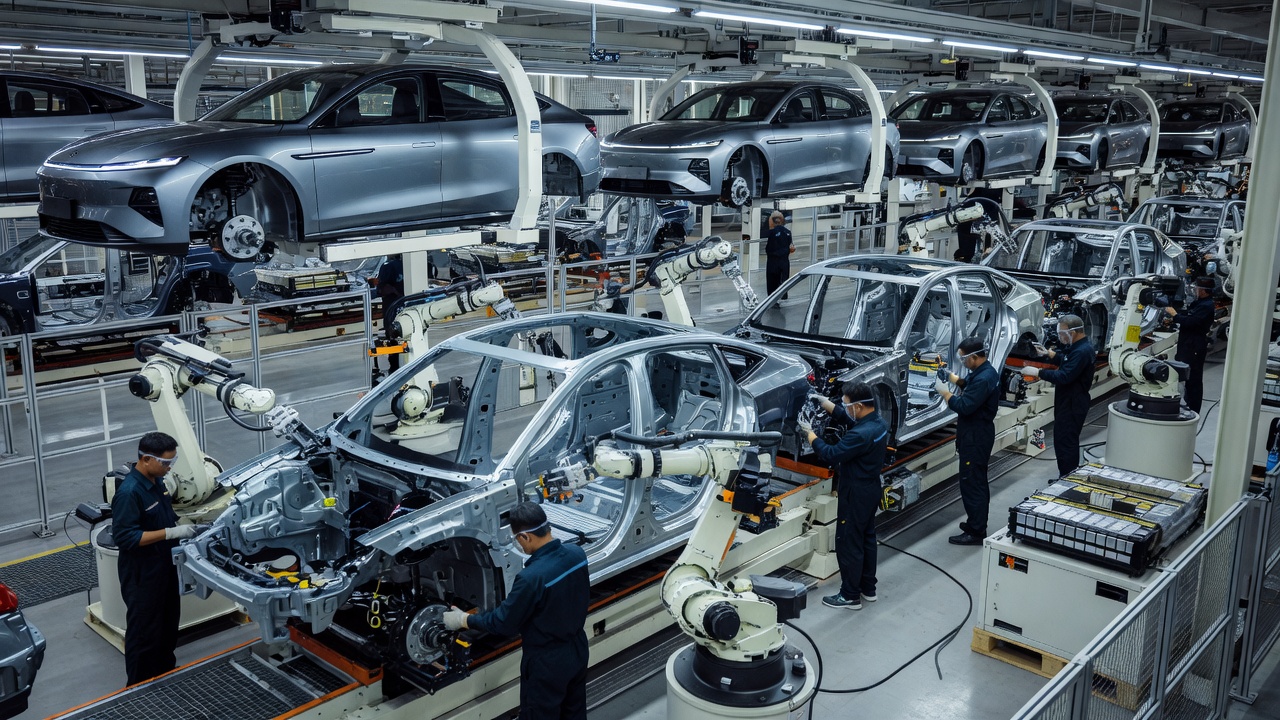
The first locally assembled XPENG G6 rolled off the production line at EP Manufacturing Berhad (EPMB)'s HICOM Pegoh Industrial Park in Melaka, Malaysia, in June 2026, less than six months after XPENG and EPMB signed their assembly agreement. The speed of execution is the easy headline. The harder story is what sits beside that G6 on the same factory floor: MG's S5 EV, Great Wall Motor electrified vehicles, and, at a separate facility in Kedah, Leapmotor units rolling through a Stellantis plant. Multiple Chinese automakers have converged on the same small country, sometimes on the same contract manufacturer, inside a two-year window. For engineers and supply-chain strategists tracking where the next phase of EV industrialization lands, Malaysia has quietly become the answer.
What's New
XPENG, the Chinese electric vehicle manufacturer, describes Malaysia as one of its strategic overseas assembly locations, and the HICOM Pegoh Industrial Park rollout makes that designation concrete. The G6, which rides on XPENG's 800-volt SEPA 2.0 architecture supporting ultra-fast DC charging, was unveiled at EPMB's Melaka facility in a timeline that compressed what typically takes a full vehicle program cycle into under half a year.
EPMB is not a single-brand shop. The Malaysian contract manufacturer simultaneously assembles the MG S5 EV and electrified vehicles for Great Wall Motor alongside the XPENG line. The agreement between XPENG and EPMB extends beyond the G6: EPMB holds the first right to assemble the XPENG X9, including its PowerX REEV (range-extended EV) variant, which uses a combustion generator to recharge a battery pack rather than directly driving the wheels, enabling longer range without full battery scaling. Beyond those two models, the agreement grants EPMB first right to assemble three additional future XPENG models.
That combination -- a single contract manufacturer handling multiple Chinese EV brands across both pure-electric and range-extended powertrains -- represents something qualitatively different from a bilateral brand deal. Malaysia's automotive industry encompasses vehicle assembly and component manufacturing that contributes to the national economy, and the EV investment wave of the past two years is layering onto that existing industrial base, not building from scratch.
How It Works
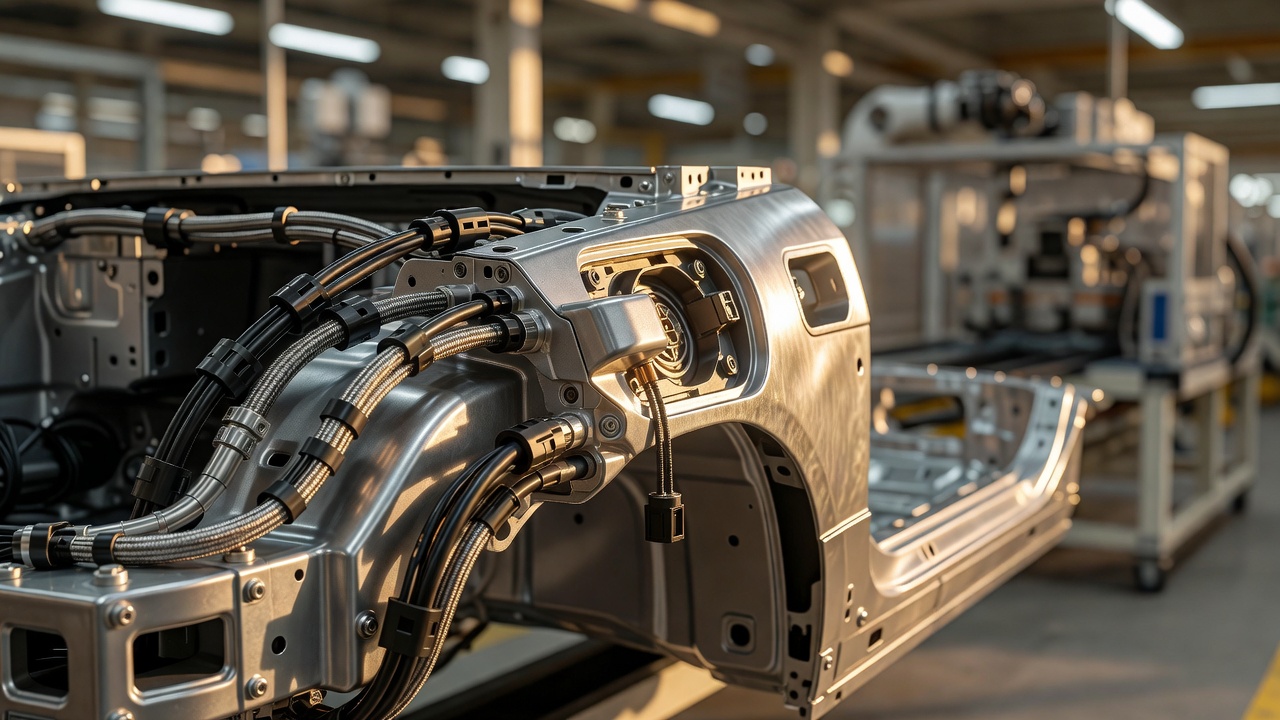
The production model underpinning every one of these announcements is CKD assembly, or completely knocked-down manufacturing, in which component kits are shipped from the origin country and assembled into finished vehicles locally. CKD is not full manufacturing: battery packs and structural components are largely produced upstream, then shipped in kit form for local fitment. The economic logic is straightforward: CKD assembly avoids import tariffs on completed vehicles, lowers the sticker price in the destination market, and satisfies local-assembly requirements that many ASEAN governments attach to preferential treatment.
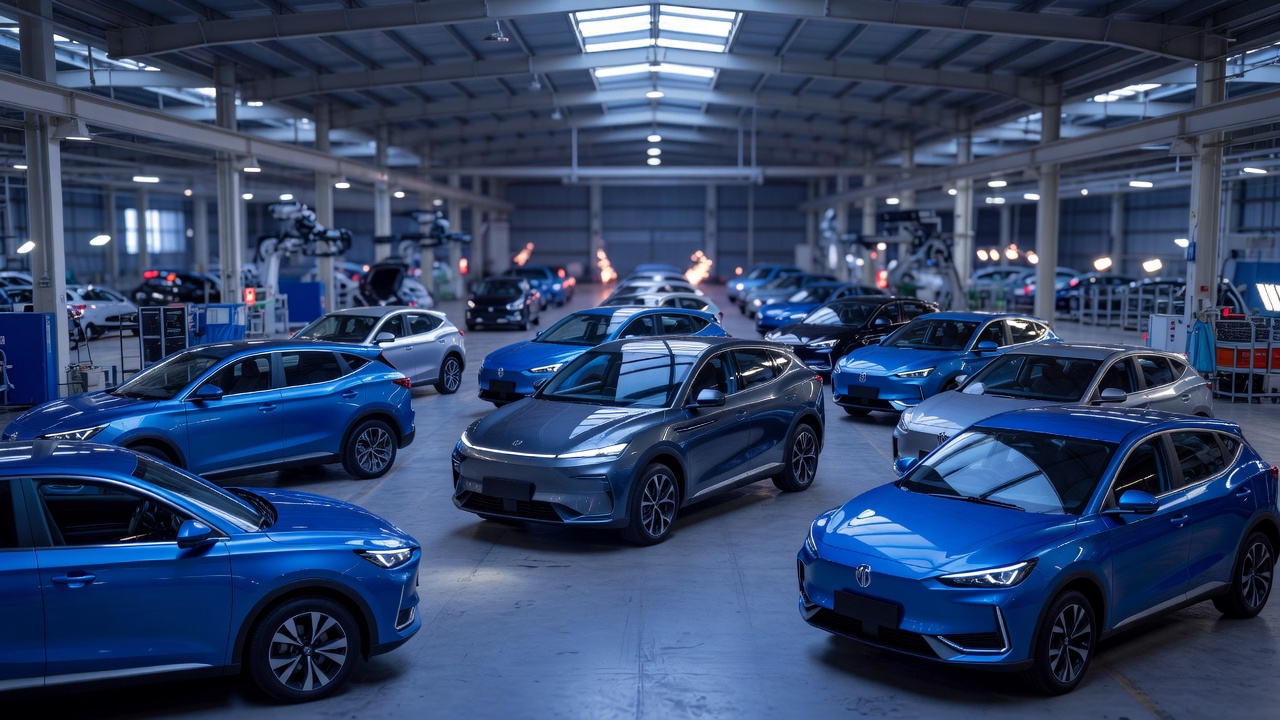
EPMB functions as a contract manufacturer -- the automotive equivalent of a Foxconn or Flextronics -- a facility that provides assembly capacity and operational expertise to multiple OEM clients without holding brand equity in any of them. For XPENG, the parallel is Magna Steyr, the Austrian contract manufacturer that assembles XPENG vehicles for the European market. Malaysia is now the fourth named international production site for XPENG, joining China, Indonesia, and the Magna Steyr arrangement in Austria.
The structural implication of EPMB's multi-brand roster is efficiency at the facility level. Shared tooling amortization, a single certified workforce, and consolidated logistics flows between Melaka and Chinese component suppliers all compress per-unit cost. By granting EPMB first-right options on three future XPENG models beyond the G6 and X9, XPENG locks in capacity without capital expenditure on owned facilities, while EPMB secures a long-duration revenue pipeline across multiple model generations.
The Economics
The two-year investment window that has brought XPENG, BYD, MG, Great Wall Motor, and Leapmotor to Malaysia simultaneously is not coincidental timing. The prior model -- shipping finished vehicles from Chinese factories directly to Southeast Asian buyers -- carries compounding tariff exposure across each ASEAN market's import regime. CKD assembly inside the region converts an import cost into an operating cost, and the ASEAN Free Trade Area (AFTA) framework, established in 1992, means that a vehicle assembled in Malaysia can move to neighboring markets at preferential rates.
BYD, the world's largest EV manufacturer by volume, has announced plans to establish manufacturing operations in Malaysia, though no timeline or investment figures have been disclosed. The BYD announcement, alongside the live EPMB production lines, signals that Chinese OEMs are treating Malaysian assembly not as a market-access workaround but as a durable regional supply-chain node.
Malaysia's positioning is reinforced by a manufacturing competitiveness baseline that extends beyond the automotive sector. The country has been cited in regional manufacturing competitiveness analyses, placing it alongside Singapore, Thailand, and Vietnam as one of Southeast Asia's most attractive destinations for advanced manufacturing investment. For EV brands navigating cost pressure and tariff risk simultaneously, that represents real infrastructure: logistics, skilled labor, and regulatory stability -- not just a flag on a map.
Competitive Landscape
Malaysia's emergence as a CKD assembly hub places it in direct competition with two more established Southeast Asian manufacturing economies, each with structural advantages that have historically made them the default choice for automotive investment in the region.
- Thailand (established regional automotive leader): Thailand's automotive industry has been the largest in Southeast Asia, with substantial annual output reflecting decades of Japanese OEM investment and a tariff architecture that forced localization early. Analysts at Interact Analysis have specifically cited Thailand's automotive sector strength among Southeast Asian manufacturing hubs. For Chinese EV brands, Thailand's existing supply base is an asset, but its entrenched Japanese-brand relationships create friction for new entrants seeking prime contract capacity.
- Indonesia (large domestic market, established CKD base): Indonesia's automotive sector is a major contributor to national GDP, producing over one million vehicles annually. XPENG already has localized production in Indonesia, making that market a direct comparator for the Malaysian arrangement. Indonesia's domestic scale -- the largest car market in Southeast Asia by population -- gives it demand-side leverage that Malaysia cannot match. But Indonesia's manufacturing ecosystem has historically concentrated on Japanese brands at high volume, leaving contract-manufacturer capacity for Chinese EV newcomers relatively thin.
- Vietnam (electronics-led, emerging automotive): Vietnam is named alongside Malaysia and Thailand by Interact Analysis as an emerging manufacturing hub, with electronics as its primary sector strength. For EV assembly, Vietnam's component ecosystem is less developed than Malaysia's, though its cost base is competitive.
Independent analyst commentary specifically on this announcement was not publicly available at publication time.
What's Next
Assembly capacity alone does not make an EV market. The charging infrastructure buildout running in parallel with the manufacturing announcements signals that Malaysia is attempting to develop both sides of the equation simultaneously. Kuala Lumpur's Merdeka 118 tower recently opened Malaysia's largest AC charging hub, with 32 charging bays. AC charging delivers power more slowly than DC fast-charging, making a 32-bay AC hub suited to workplace and destination charging rather than highway top-ups -- but the scale of the installation indicates the type of planned-stay charging infrastructure that urban EV adoption requires. On the highway corridor side, Malaysian charging network operators chargEV, Gentari, and JomCharge are each expanding coverage, extending the range envelope for drivers operating outside Kuala Lumpur.
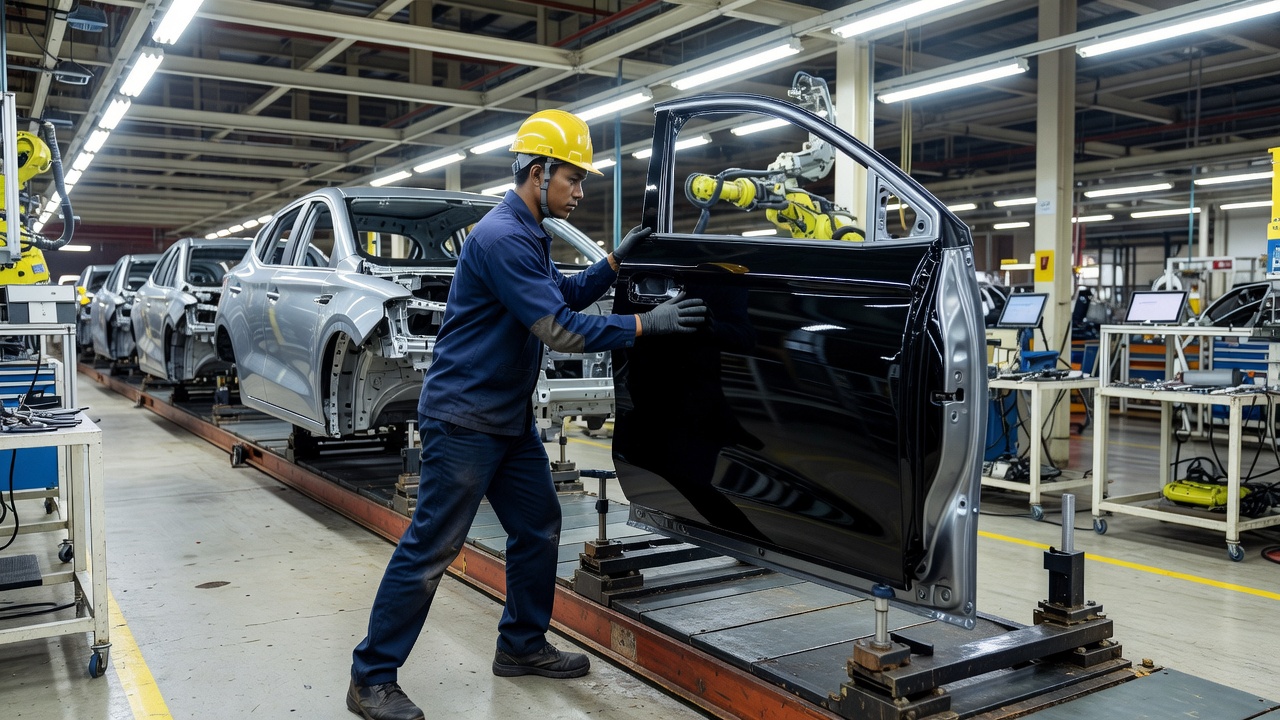
The pipeline for manufactured vehicles points further forward. EPMB's contractual right to assemble three additional future XPENG models beyond the G6 and X9 means the Melaka facility is designed to scale across model generations, not to capitalize on a single-product moment. Whether BYD's announced Malaysian manufacturing operations materialize on a disclosed timeline will be an important signal: BYD entering the CKD ecosystem would add the market's highest-volume Chinese brand to the same industrial cluster.
Malaysia's right-hand-drive vehicle production is a structural export advantage that the CKD buildout reinforces directly. RHD vehicles produced in Melaka have a direct route to markets across Southeast Asia, South Asia, and Oceania without the engineering and retooling overhead that LHD-producing countries face for those destinations.
For fleet procurement managers across RHD ASEAN markets, the practical near-term implication is concrete: locally assembled XPENG G6 units, built on an 800-volt platform that supports ultra-fast DC charging, are now available in a market where import-version pricing penalties have historically made Chinese EVs a harder commercial case. A fleet operator in Malaysia or an adjacent RHD market can now evaluate an 800V-architecture vehicle assembled regionally, at CKD economics, rather than waiting for an import allocation priced for a different cost structure.
The most telling detail in this story is not the G6's sub-six-month production launch, impressive as that is. It is that EPMB is assembling at least three Chinese EV brands on the same floor in Melaka. That is not brand competition; it is shared industrial infrastructure -- a contract-manufacturing ecosystem for Chinese EV ambition in the same way Taiwan became a contract-manufacturing ecosystem for global semiconductor demand. Thailand built its automotive dominance over decades with Japanese partners. Malaysia appears to be attempting a compressed version of that trajectory, with Chinese partners, on a platform already optimized for the export markets those partners most need to reach.
-- Aria Lin, Enterprise Technology Analyst
Sources: CleanTechnica, "Malaysia Is Emerging As Southeast Asia's Next EV Manufacturing Hub" (July 5, 2026) · Wikipedia, Automotive Industry in Malaysia · Wikipedia, ASEAN Free Trade Area