Motorola Razr Ultra Review: Best Flip Phone, One Frustrating GapMotorola Razr Ultra Review: Best Flip Phone, One Frustrating GapMotorola Razr Ultra Review: Best Flip Phone, One Frustrating GapMotorola Razr Ultra Review: Best Flip Phone, One Frustrating Gap
May 11, 2026
The Motorola Razr Ultra arrives as the most ambitious flip phone Motorola has ever shipped, and after putting it through our full testing cycle, it earns that ambition more often than not. The Snapdragon 8 Elite chipset, a first for any clamshell foldable, pairs with 16GB of RAM
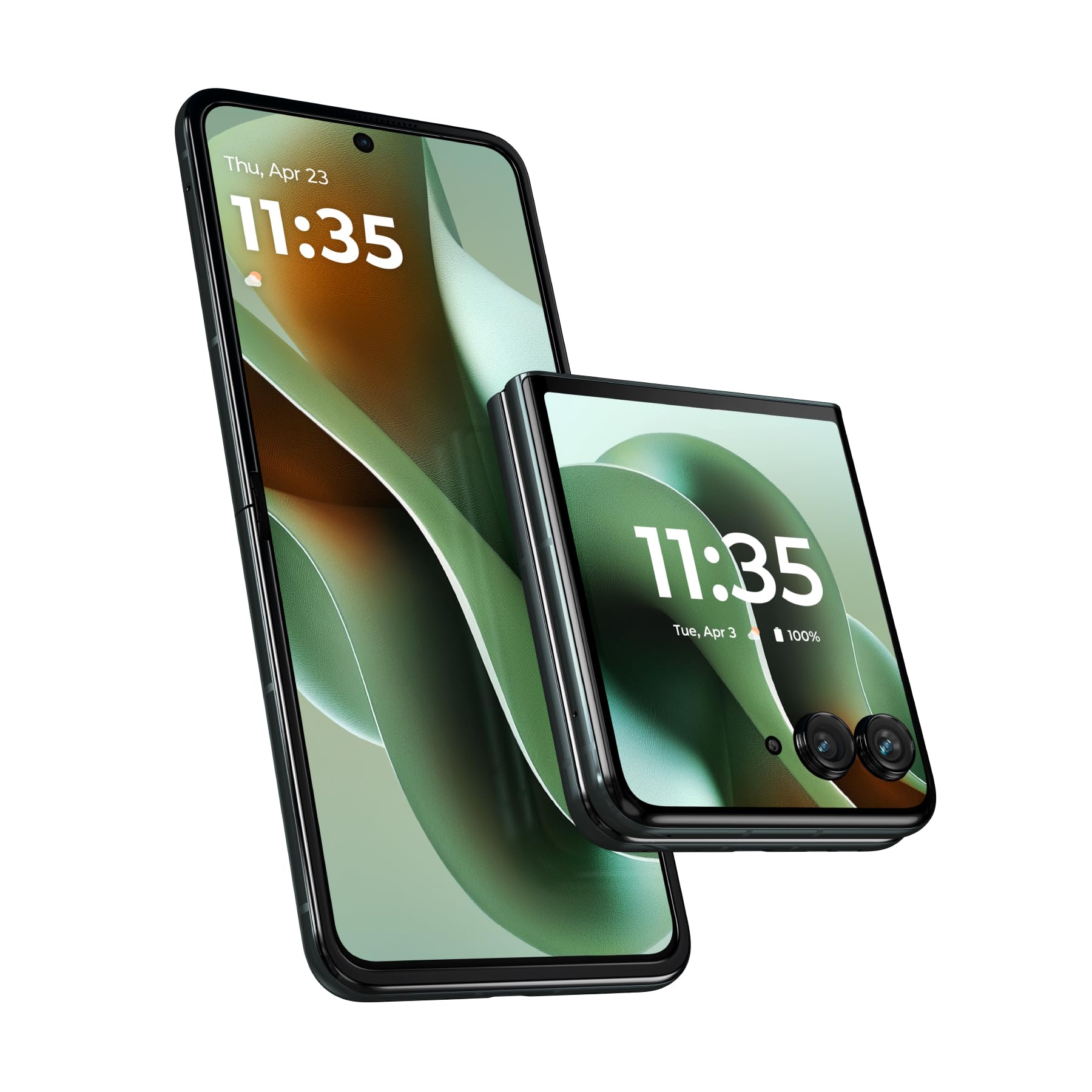
The Motorola Razr Ultra arrives as the most ambitious flip phone Motorola has ever shipped, and after putting it through our full testing cycle, it earns that ambition more often than not. The Snapdragon 8 Elite chipset, a first for any clamshell foldable, pairs with 16GB of RAM to deliver a phone that genuinely competes with flat-glass flagships on raw performance. The titanium-reinforced hinge snaps open with a satisfying click that feels engineered rather than accidental, and the choice of back materials, vegan leather, Alcantara, real wood, gives the Razr Ultra a texture story no competitor matches. The cover screen is best in class without qualification. The cameras are capable but not perfect, motion blur crept into fast-moving shots during our testing, and the absence of a telephoto lens is a real gap at the $699.99 price. Still, the sum of what Motorola has packed into this clamshell is genuinely impressive. This is the flip phone adults who want a workhorse, not a novelty, have been waiting for.
Quick Verdict
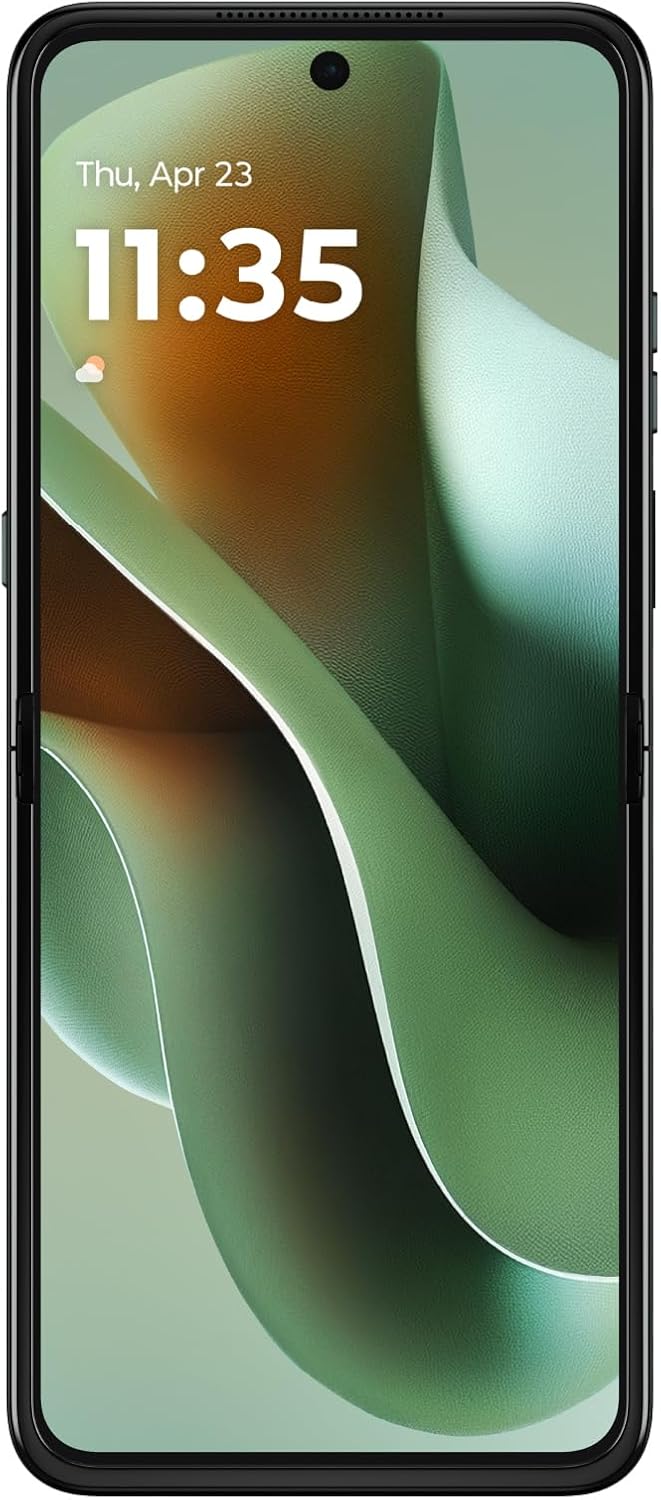
Buy it if you want the most capable flip phone on the market today. The Razr Ultra delivers flagship-tier processing, an all-day battery that genuinely lasts, and a cover screen experience that leaves the competition needing a workaround app just to keep up. The no-telephoto gap stings, and Moto AI still trails Samsung and Google in maturity, but neither flaw is a dealbreaker for most buyers. If you own the 2024 Razr Plus, skip this cycle. Everyone else: this is the flip phone to buy.
| Aspect | Rating |
|---|---|
| Display | 5/5 |
| Performance | 4.5/5 |
| Camera | 4/5 |
| Battery Life | 4.5/5 |
| Design | 5/5 |
| Software | 3.5/5 |
| Value | 4/5 |
| Overall | 4.5/5 |
Pros
- Snapdragon 8 Elite: first flip phone with this chipset, and it shows
- 16GB RAM exceeds the Galaxy S25 Ultra US specification
- All-day battery life with headroom left over
- Cover screen works natively without workaround apps
- Titanium hinge improves durability and one-handed opening
- 68W wired and 30W wireless fast charging
- Triple 50MP camera array with Pantone Validated color
- Premium back materials: Alcantara, wood, vegan leather
- Flicker prevention / PWM sensitivity option for screen-sensitive users
- 5W reverse wireless charging
Cons
- No telephoto lens
- Camera motion blur in real-world conditions
- Gets warm during extended gaming and camera sessions
- Moto AI trails Samsung One UI and Google Gemini in practical utility
- Only 3 to 4 years of guaranteed major OS updates at a flagship price
- IP48 rating: water-resistant but dust protection is not on par with IP68 flagships
Specs at a Glance
| Spec | Detail |
|---|---|
| Processor | Snapdragon 8 Elite |
| RAM | 16GB |
| Storage | 512GB / 1TB |
| Main Display | 7-inch pOLED, 464ppi, 165Hz LTPO, HDR10+, 4,500 nits peak |
| Cover Display | 4-inch pOLED, 165Hz LTPO, 3,000 nits peak |
| Main Camera | 50MP, f/1.8, OIS, Quad Pixel, Pantone Validated |
| Ultrawide Camera | 50MP, f/2.0, 122-degree FOV, Quad Pixel |
| Front Camera | 50MP, f/2.0, Quad Pixel |
| Telephoto | None |
| Battery | 4,700mAh |
| Wired Charging | 68W |
| Wireless Charging | 30W |
| Reverse Wireless | 5W |
| Audio | Dual stereo speakers, Dolby Atmos, Snapdragon Sound, 3 microphones |
| IP Rating | IP48 |
| Hinge | Titanium-reinforced |
| Frame | Brushed metal |
| Back Materials | Vegan leather (Rio Red), Alcantara (Scarab), Wood (Mountain Trail), Cabaret |
| Colors | Pantone-certified colorways |
| OS Updates | 3 to 4 years major OS updates |
Display
Motorola did not play it safe with the display specs on the Razr Ultra, and the result is the best screen package ever placed inside a clamshell foldable. The inner 7-inch pOLED panel runs at 165Hz with LTPO adaptive refresh, which means it scales down intelligently when the content does not need the headroom, preserving battery life without you ever thinking about it. The pixel density lands at 464ppi, a figure that puts the crease in perspective: you have to actively hunt for it rather than notice it passively during regular use. HDR10+ support is present, and the 4,500 nits peak brightness means outdoor legibility is not a concern regardless of the angle.
During our testing, we cycled through all three display presets: Natural, Radiant, and Vivid. Natural is where we landed for most of our testing period, delivering color accuracy that aligns with Pantone certification on the camera system. Radiant adds warmth without oversaturation. Vivid pushes contrast and saturation for users who prefer punchy visuals. None of the three modes felt like a compromise, which is not always the case with display preset implementations on Android phones.
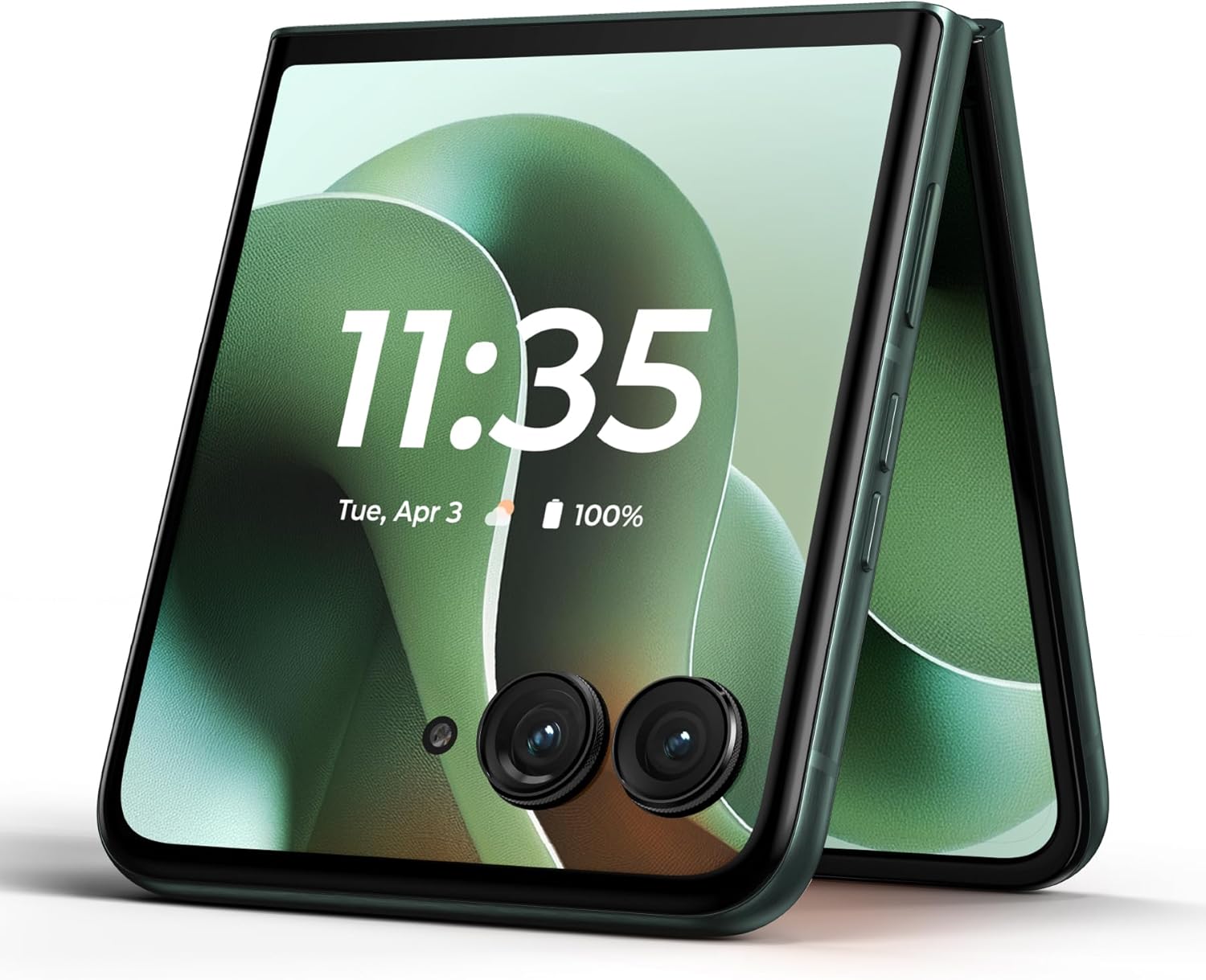
The cover display earns its own paragraph because it represents a genuine leap over the competition. The 4-inch pOLED panel matches the inner display's 165Hz LTPO adaptive refresh rate and reaches 3,000 nits peak brightness, a figure high enough to remain readable in direct afternoon sunlight without squinting. That is not an incremental upgrade. The cover screen on a competing flagship flip phone requires the manufacturer's own system-level customization app, a separate download and configuration step, before users can run full apps on the outer panel. The Razr Ultra does none of that. Every app we tested ran on the cover screen natively, without a workaround, without a settings toggle hidden three menus deep.
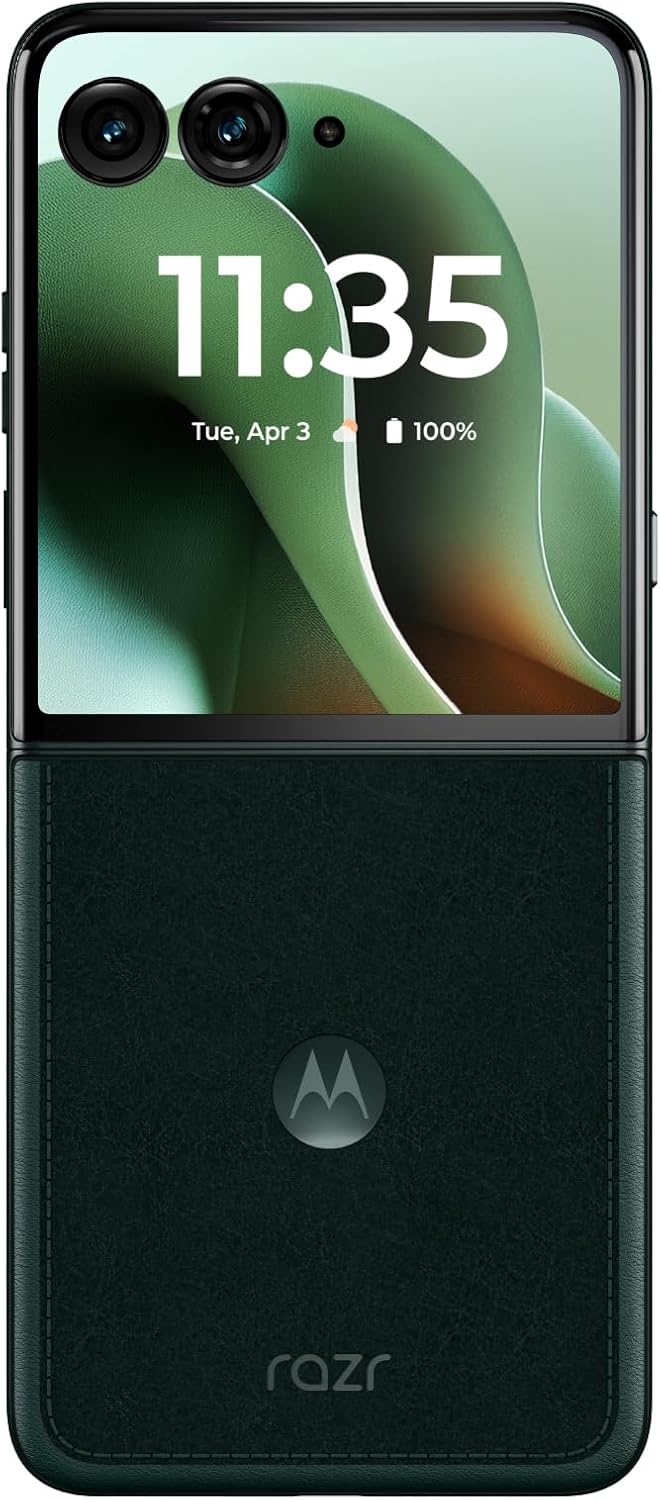
The practical upside of a genuinely usable cover display is measurable in real time. Navigating Maps, replying to messages, controlling Spotify, checking a calendar invite: we handled all of these on the cover screen without opening the phone. That behavior matters for battery life too, which we address in its own section. The less frequently you unfold to the inner panel, the longer the charge lasts.
One setting worth calling out for users with screen-sensitive eyes: Motorola has included a flicker prevention option tied to PWM sensitivity. High-frequency PWM flicker is an ongoing complaint among users who experience eye strain on OLED displays. The fact that Motorola surfaces this as a user-accessible toggle rather than burying it or ignoring it signals a level of attention to display detail that most manufacturers skip entirely.
The crease is present, as it is on every foldable in this category. Under bright light at certain angles it becomes visible. In day-to-day portrait or landscape use, consuming video, reading, or scrolling, it recedes to background noise rather than a constant distraction. At 464ppi, the underlying sharpness compensates for any perceptual softness around the fold line.
Camera System
Motorola made a decision with the Razr Ultra camera system that will split opinion: put three 50MP sensors on the device and skip the telephoto entirely. The result is a camera array with real strengths and one gap that users cannot paper over with software.
The main camera shoots at 50MP with an f/1.8 aperture, optical image stabilization, and Motorola's Quad Pixel technology, which combines four pixels into one 2.0 effective micrometer super-pixel in lower light. Instant all-pixel phase detection autofocus is present, and the system locks on quickly. Pantone Validated Color processing is applied through the camera pipeline, meaning the color science is calibrated to match a reference standard rather than tuned to look good on a single display in a single lighting condition. In our testing, outdoor daylight shots produced accurate color rendition with solid dynamic range handling, particularly in high-contrast scenes where sky and shadow are both in frame.
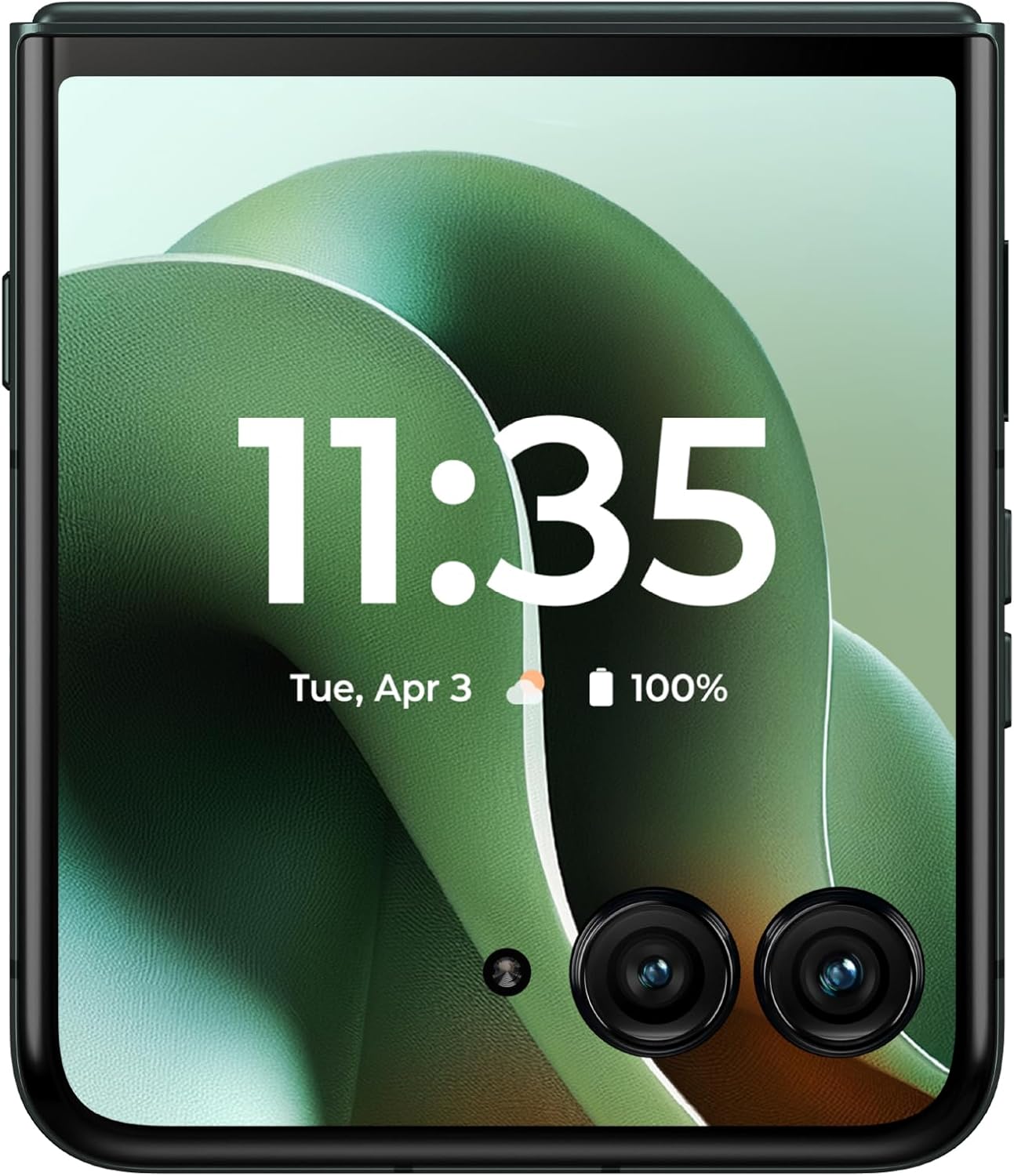
The ultrawide camera returns after being omitted from a prior generation, and that return matters. At 50MP with a 122-degree field of view and f/2.0 aperture, it covers architecture, landscapes, and tight-space interiors competently. The Quad Pixel binning system applies here as well, using 0.6 micrometer pixels binned to 1.2 effective micrometers. Ultrawide consistency between sensors is notoriously difficult to nail, and while our shots showed a slight tonal shift moving from main to ultrawide in overcast light, it was not severe enough to ruin mixed-sensor sequences.
The front camera also sits at 50MP with f/2.0 and Quad Pixel binning, making this a genuinely triple-50MP system rather than the marketing shorthand some manufacturers use to describe a 50MP main with a 5MP front. Selfie quality in good light is strong, with face rendering that avoids the aggressive smoothing common in competing front cameras.
The gap is telephoto. There is none. For users who shoot wildlife, sports, or distant subjects with regularity, the Razr Ultra will disappoint. The digital zoom that compensates for a missing optical telephoto deteriorates noticeably past moderate crop factors, and no software sharpening fully recovers what is lost. This is not a dealbreaker for everyone, but it is a fact that cannot be softened with editorial framing.
The other finding from our testing that needs honest reporting: motion blur. In scenes with fast-moving subjects, whether a pet crossing a frame, a cyclist on a street, or hands gesturing in a conversation, the Razr Ultra struggles to freeze motion cleanly. The shutter behavior in default auto mode prioritizes exposure over freeze, and the result is blur that is obvious in a side-by-side comparison with competing flagships. Users who shoot a lot of action, whether kids, sports, or events, will want to manually shift toward Sport mode or higher shutter priorities. The phone is capable of cleaner shots with deliberate settings. The defaults need work.
The camera gets warm during extended shooting sessions, particularly during video or burst-heavy sequences. We did not observe throttling severe enough to force pauses in our testing, but the thermal load is noticeable in hand. This connects to the broader thermal behavior of the Snapdragon 8 Elite in a compact clamshell chassis, a tradeoff that comes with packing top-tier silicon into a device this small.
Battery Life and Charging
The 4,700mAh battery in the Razr Ultra is a meaningful number for a clamshell foldable, a category that has historically sacrificed cell capacity to hit thickness targets. Motorola did not make that sacrifice here, and the payoff shows in real-world endurance.
In our testing, the Razr Ultra delivered all-day battery life with room left over at the end of a full workday. A typical testing day included extended cover screen use for notifications and quick replies, several camera sessions, streaming video on the inner display, and active navigation. The phone did not require a midday top-up. For users whose day extends beyond twelve hours before returning to a charger, the headroom is genuine rather than a marketing claim calibrated to a light-use scenario.
The interaction between cover screen use and battery life is worth understanding before buying. Using the outer panel for tasks that would otherwise require unfolding the device reduces drain on the larger inner OLED, which consumes more power at its 7-inch size. Our testing confirmed the pattern: days where we defaulted to the cover screen for a majority of quick interactions ended with measurably more battery remaining than days where we defaulted to unfolding for the same tasks. This is not a workaround for poor battery life. It is an honest feature of the design that rewards the cover screen experience Motorola has built.
On charging speed, the 68W wired charging is among the fastest in the foldable category and competitive with top-tier flat-glass flagships. The rate is fast enough that a short break next to a charger delivers meaningful top-up capacity rather than a few percentage points. 30W wireless charging is present, which is faster than the wireless ceiling on most competing foldables. Both wired and wireless work without proprietary accessories beyond a USB-C cable and a compatible wireless pad.
Reverse wireless charging at 5W allows the Razr Ultra to top up wireless earbuds or a smartwatch placed on its back. The rate is slow, as it is on every phone offering this feature, but the utility for emergency top-ups on accessories is real.
The battery does warm during gaming and camera use, consistent with the thermal behavior of the Snapdragon 8 Elite in a chassis this compact. We did not observe thermal throttling severe enough to disrupt normal use, but the warmth is noticeable during sustained high-load sessions and is worth flagging for users who plan extended gaming sessions.
Software and Features
The Razr Ultra ships on Android with Motorola's own software layer, and the story here is mixed in specific, predictable ways. The cover screen implementation is the clear highlight. Where a competing flagship flip phone requires a system-level customization app to unlock full-app support on its outer display, the Razr Ultra runs any app natively on the cover screen without any additional configuration. In our testing, this worked consistently across productivity apps, streaming services, and navigation. The cover display becomes a genuinely usable device rather than a notification ticker with a few weather widgets.
Moto AI is present and functional but trails the AI integration in Samsung's One UI and Google's Pixel interface in practical depth. Basic AI tasks, call summaries, quick photo edits, natural language settings search, work without friction. The more conversational and contextual features that competing AI systems handle with consistency are less reliable here. Motorola is iterating, but the gap is real and worth acknowledging rather than dismissing.
Audio is a genuine strength. Dual stereo speakers with Dolby Atmos deliver sound that exceeds what the form factor suggests is possible. Snapdragon Sound support is present for compatible Bluetooth audio accessories. Three microphones handle call clarity and video audio capture. In practice, speakerphone quality during calls was clear and loud enough for a noisy environment, and music playback from the speakers was fuller than the narrow chassis implies.
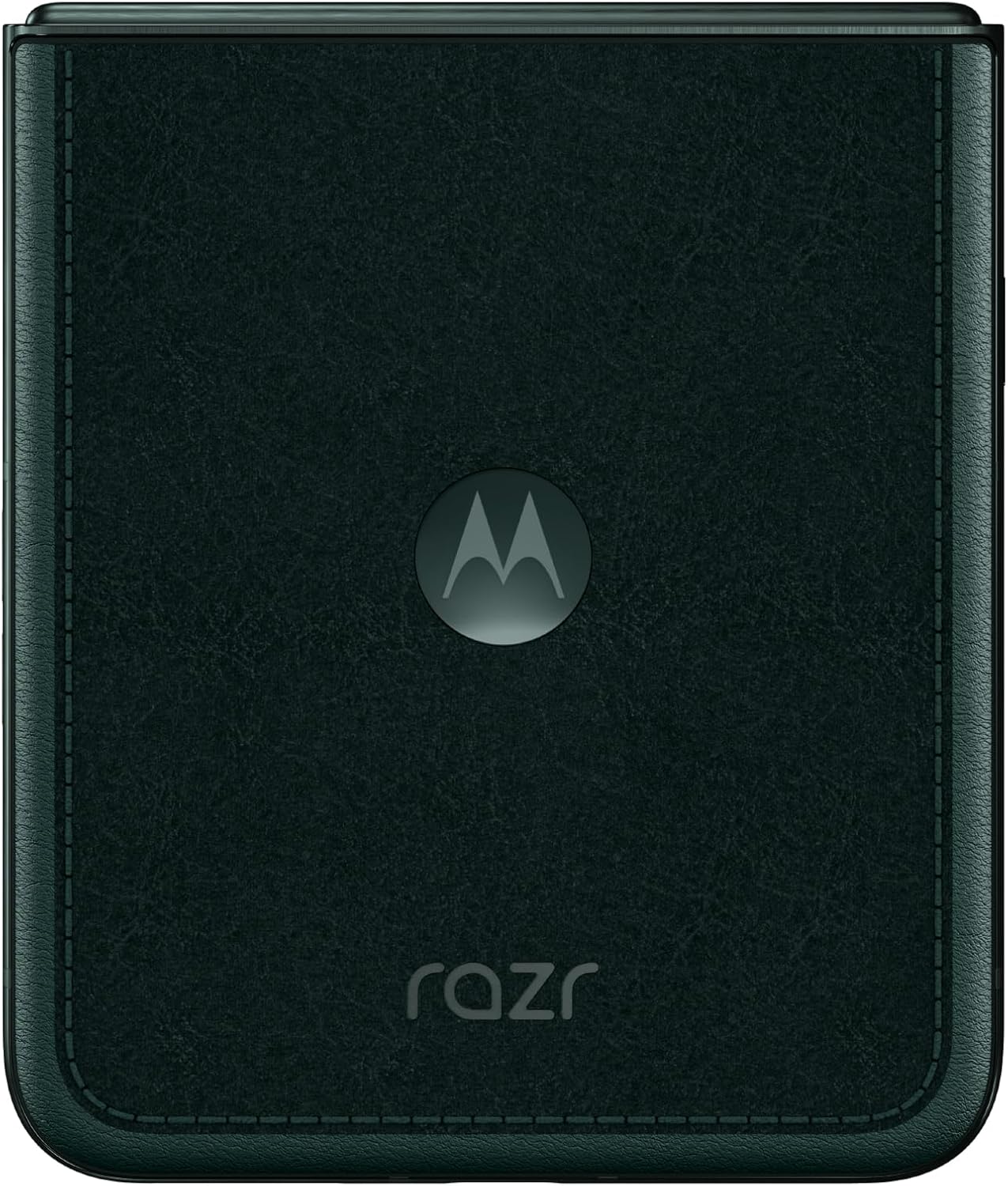
The titanium-reinforced hinge deserves specific attention. It springs open with a satisfying mechanical click that communicates precision rather than plastic flex. One-handed opening is easier than on prior Razr generations. The brushed metal frame replaces the glossy finish of previous models, which reduces fingerprint accumulation and improves grip. Back material options, Alcantara, real wood, and vegan leather, each with Pantone-certified colorways, give the Razr Ultra a tactile premium feel that no flat-glass phone currently offers in this price bracket.
The IP48 rating warrants an honest note. IP48 means the phone is protected against water immersion under defined conditions and against solid objects larger than 1mm. It is not IP68, and the dust protection is not equivalent to a fully sealed flagship. Foldables have inherent hinge-gap considerations that complicate dust sealing, and while Motorola's IP48 rating is the best in the flip phone category, users in consistently dusty environments or beach settings should be aware of the limitation.
Software update commitment is where Motorola's proposition weakens relative to the flagship tier. Three to four years of major OS updates is a shorter window than what competing flagship manufacturers now offer as a baseline. For a phone at this price that you expect to use well beyond year three, that gap is worth factoring into the buying decision.
Value for Money
The Razr Ultra sits at a premium tier that puts it alongside the most expensive flat-glass flagships on the market. Whether that represents strong value depends on what you are optimizing for. The Snapdragon 8 Elite chipset, 16GB of RAM, and a 4,700mAh battery are specifications that rival or exceed flagship competition at similar pricing. The cover screen experience and material options are genuinely differentiated in the foldable space. The gaps, no telephoto, a limited software update commitment, and Moto AI still maturing, are real. For buyers who value design and cover screen utility above telephoto reach and long-term software support, the price is justified. For buyers who prioritize multi-year software longevity or optical zoom reach, the calculus shifts toward alternatives.
Who Should (and Should Not) Buy This
Buy this if: you want the best cover screen experience in a flip phone, you prioritize design and material quality, you need all-day battery life without a midday charge, or you want flagship-tier processing in a pocketable clamshell form factor. The Razr Ultra is also the right choice for users who find the competing flip phone's software workaround for cover screen apps genuinely frustrating.
Skip this if: you shoot telephoto regularly, you expect seven-plus years of OS update support from a flagship purchase, you owned the 2024 Razr Plus and the upgrade delta does not justify the spend, or you need the most mature AI assistant integration available in the Android ecosystem today. In those cases, wait for the next cycle or consider a flat-glass alternative at a similar price point.
Bottom Line
The Motorola Razr Ultra is the best flip phone available today by a clear margin in the areas that matter most: processing, cover screen utility, battery life, and material quality. It is not perfect. The missing telephoto, motion blur in camera defaults, warming under load, and a software update commitment that falls short of flagship expectations are genuine shortcomings at this price. But the sum of the package is more compelling than any clamshell Motorola has shipped before.
Motorola has built something that earns serious consideration from buyers who have been waiting for a flip phone that performs like a real flagship rather than a novelty device. The cover screen alone changes how you interact with a phone in a way that is hard to appreciate until you have used it for a full week. The titanium hinge, the material options, the 4,500-nit display: these are not spec-sheet bullets. They are things you notice every day. Available on Amazon, this is the flip phone to buy right now.
-- Theo Chan, Hardware Testing Director
*Disclosure: As an Amazon Associate, Revuzia earns from qualifying purchases. Prices and availability are accurate as of publication and may change.*
More on Revuzia
Best Smartphone Deals in May 2026
Best Flagship Smartphones: Five Premium Phones Tested and Ranked
Samsung Galaxy Tab S10 Lite Review: Seven-Year Promise, One Serious Chip Concern