OpenAI's First Jony Ive Device: Screen-Free Speaker Built to Feel AliveOpenAI's First Jony Ive Device: Screen-Free Speaker Built to Feel AliveOpenAI's First Jony Ive Device: Screen-Free Speaker Built to Feel AliveOpenAI's First Jony Ive Device: Screen-Free Speaker Built to Feel Alive
July 15, 2026
OpenAI plans to unveil a screen-free smart speaker designed by Jony Ive's io studio in 2026, featuring mechanical elements that move independently to create the sense of a living presence, with a 2027 retail release planned. The $6.5 billion acquisition price OpenAI paid for io

OpenAI plans to unveil a screen-free smart speaker designed by Jony Ive's io studio in 2026, featuring mechanical elements that move independently to create the sense of a living presence, with a 2027 retail release planned. The $6.5 billion acquisition price OpenAI paid for io last year signals the company's pivot from software APIs to physical computing, but the genuinely consequential piece is the legal threat: Apple's July 10, 2026 lawsuit seeking an injunction could freeze OpenAI's entire hardware roadmap before the first unit ships. For enterprises evaluating AI infrastructure vendors for 2027+ planning cycles, this is the first time vendor lock-in risk includes the possibility that the hardware platform may never reach production.
The device positions itself as the first ambient AI for "busy people" who need contextual assistance without pulling out a phone. OpenAI internally does not describe it as a speaker; they call it "the first of its kind, a computer built for AI." The timing matters because Amazon Echo reached 100 million units by January 2019 on reactive voice commands alone. A proactive, context-aware assistant that anticipates needs could either obsolete that category or prove the limits of ambient AI's ROI.
What's new
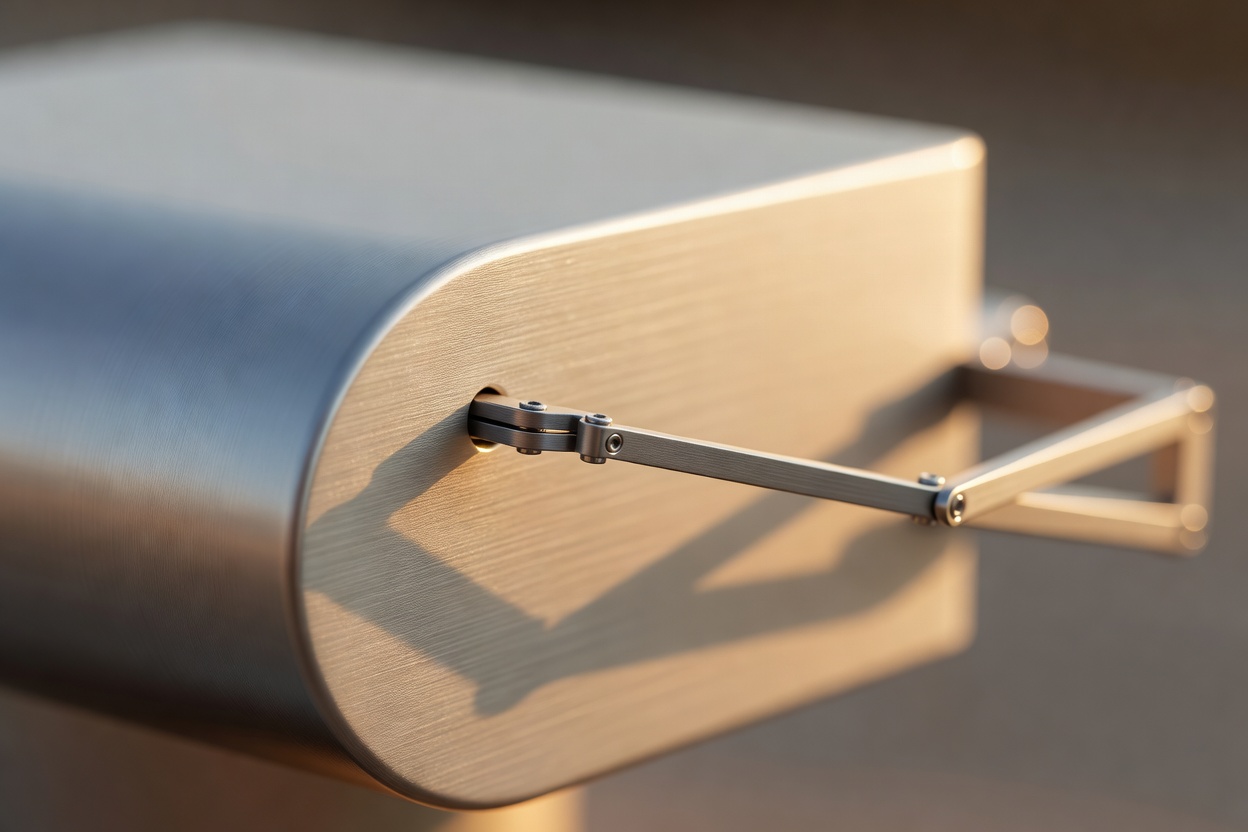
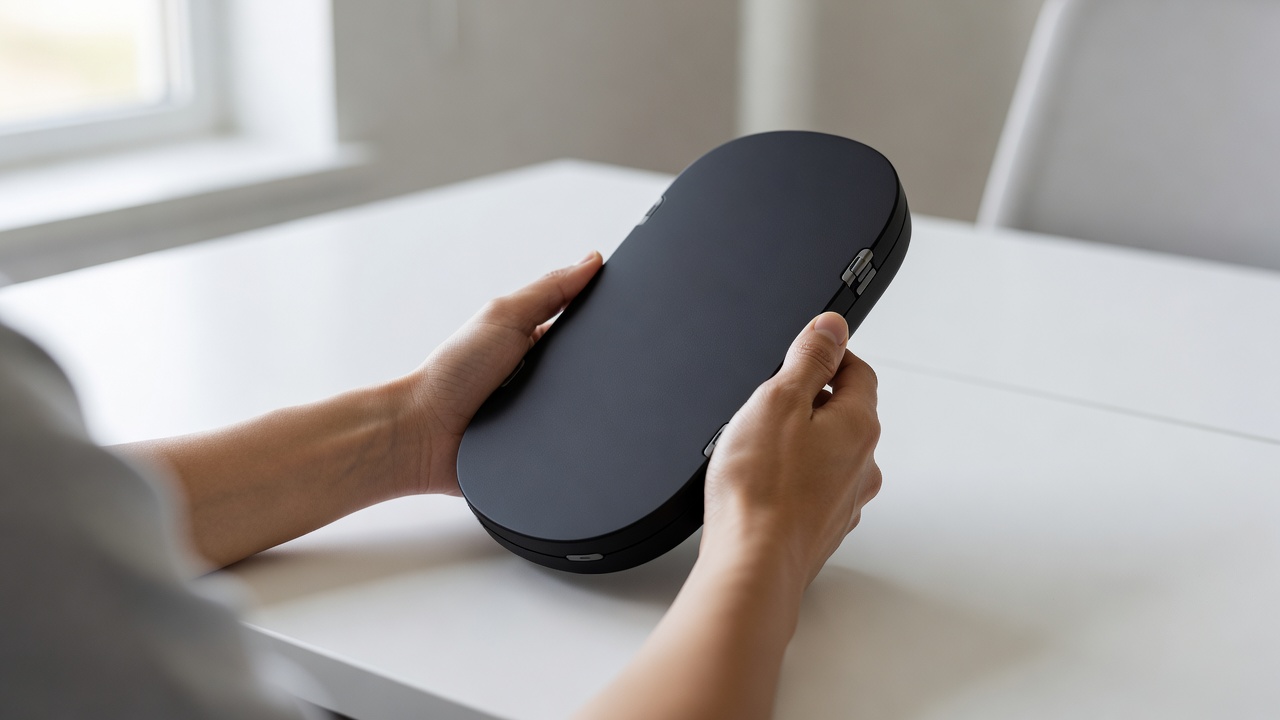
The device is a mobile, rechargeable smart speaker with a camera, sensors to read its surroundings, and mechanical components engineered to move on their own. OpenAI describes the movement as designed to make the device feel alive, distinguishing it from static smart speakers like Amazon Echo or Google Nest. The speaker has no screen, a deliberate choice to position it as a voice-first, ambient computing platform.
The device runs a more advanced version of GPT-Live, the voice mode OpenAI rolled out this month, which can listen and talk simultaneously and adapt mid-conversation. Unlike reactive assistants that wait for wake words, this speaker is designed to anticipate needs and volunteer information, growing more personalized as it learns its owner. It draws on personal information including emails to build a contextual picture of the user, enabling it to answer questions, respond to messages, control smart-home appliances, and play media without explicit prompts.
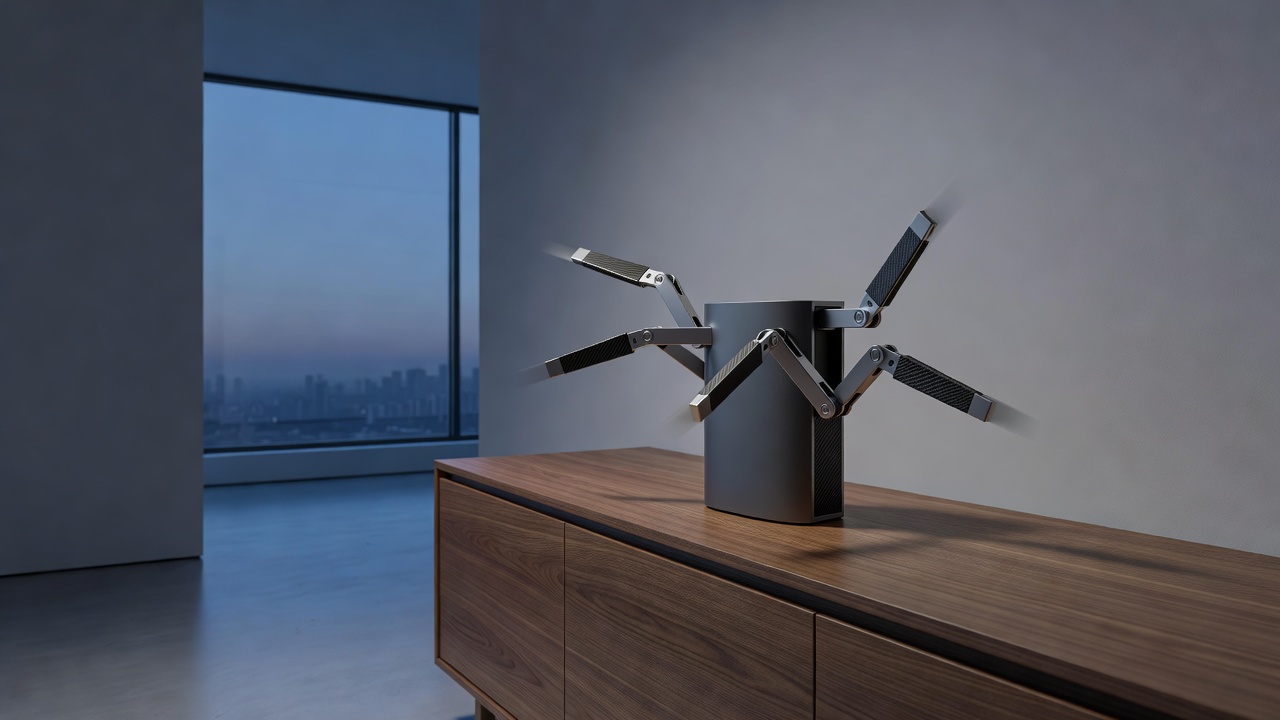
Evans Hankey, former Apple head of industrial design, is leading development. OpenAI hired Paul Meade, former Apple Vision Pro chief, last month. Tang Tan, OpenAI's chief hardware officer and io co-founder, previously led iPhone product design at Apple. Jony Ive's LoveFrom design studio is helping craft the broader lineup of roughly five products currently in development at io and OpenAI.
The speaker unveiling is planned for 2026, with retail release in 2027. OpenAI shipped its actual first hardware product, Codex Micro, the day before: a macro pad for Codex coders built with keyboard maker Work Louder.
Why it matters
The device represents a shift from screen-based AI interfaces to ambient companions that occupy physical space and initiate interactions rather than wait for commands. The speaker's defining feature is meant to be personality and proactivity, a bet that enterprises and consumers will value context-aware assistance enough to grant an always-on device access to email, calendar, and home environment sensors. For IT decision-makers, this creates a new procurement category: voice-first devices that replace or augment desk phones, conference room systems, and shared office assistants.
The personal data layer distinguishes OpenAI's approach from Amazon Alexa and Google Assistant, which respond to explicit queries but do not proactively surface information. A speaker that reads email to infer when to volunteer reminders raises deployment questions around data privacy, access controls, and whether enterprises will permit such devices on corporate networks. OpenAI has not disclosed what privacy safeguards will govern the email integration or whether the device requires a subscription beyond the hardware purchase price.
The long-term ambition is to replace the smartphone. OpenAI has explored wearables including a pendant and has shown interest in home robotics. The speaker is the entry point for a broader hardware strategy that positions ambient AI as the next computing platform after mobile. Whether voice-first devices can deliver measurable productivity gains for enterprise users remains unproven: HomePod sold an estimated 1 to 3 million units through August 2018 before Apple discontinued the first generation in March 2021.
Competitive Landscape
OpenAI's speaker enters a market where Amazon, Google, and Meta are closely watching hardware AI ambitions, and where Apple is actively building a competing product while simultaneously suing OpenAI for trade-secret theft. Apple's lawsuit, filed July 10, 2026, seeks an injunction that could stall OpenAI's ability to sell any hardware. The lawsuit cites more than 400 Apple employees who have moved to OpenAI, a talent exodus that Apple frames as evidence of systematic trade-secret misappropriation. OpenAI's position is that the speaker "veers far enough from anything Apple currently sells that infringement is unlikely."
Apple is building a competing AI home product code-named J490, a command center with a square 7-inch display, videoconferencing, facial recognition, and a rebuilt Siri powered by iOS 27. Apple is also developing a version mounted on a robotic arm. The contrast between Apple's screen-based approach and OpenAI's screen-free design reflects divergent bets on whether ambient AI succeeds as a display-driven interface or a voice-first companion. The market reacted by sending Sonos stock down more than 10 percent in late trading, while Apple stock slipped less than 1 percent to $313.52.
Amazon and Google remain the dominant players in the smart speaker category, each having shipped more than 100 million voice-enabled devices and owning the smart-home integration ecosystem that OpenAI's speaker will need to interoperate with. Recent AI hardware entrants have struggled: Humane AI Pin shipped only 10,000 units by August 2024 and saw more returns than purchases between May and August before HP acquired most of Humane Inc. for $116 million in February 2025. Rabbit r1 sold 130,000 units but only about 5,000 of roughly 100,000 purchasers were using the device at any given moment by September 2024. Both devices positioned themselves as smartphone replacements and failed to demonstrate sufficient utility.
Independent analyst commentary specifically on this announcement was not publicly available at publication time.
What's next
OpenAI plans to unveil the speaker in 2026, with retail availability in 2027. Pricing has not been disclosed. The company has roughly five products in development at io, of which the speaker is the first planned for public release. The Codex Micro macro pad signals OpenAI's strategy of shipping smaller hardware products while the flagship device remains in development.
The legal timeline will determine whether the speaker reaches production. Apple's lawsuit seeks an injunction on all OpenAI hardware sales, which would block not only the speaker but any subsequent devices in the io pipeline. If the injunction succeeds, OpenAI's $6.5 billion acquisition of io becomes a write-off, and enterprises betting on OpenAI's hardware ecosystem face vendor continuity risk.
The speaker's success depends on whether proactive, context-aware AI can demonstrate ROI over reactive assistants. Enterprise deployment will require answers to data privacy questions around email access, access controls for shared devices, and whether the speaker integrates with existing smart-home ecosystems including HomeKit, Alexa, Google Home, and Matter. OpenAI has not disclosed whether the device requires a subscription or ongoing service fee beyond the hardware purchase price.
For a CTO renewing a $500K OpenAI services contract in Q1 2027, the speaker introduces a new dimension to vendor lock-in. If your organization deploys 50 units as shared conference room assistants at an assumed $400 per device, you are committing $20,000 in hardware plus the cost of user retraining, IT provisioning for network access and email integration, and the accumulated personalized context that makes switching to a competitor's ambient AI financially painful. The procurement decision shifts from "can we swap APIs if pricing changes" to "can we afford to replace physical hardware and retrain 200 employees if OpenAI's legal situation deteriorates." That risk calculation has never been part of an OpenAI buying decision before.
The $6.5 billion price OpenAI paid for Jony Ive's io studio buys legitimacy and talent, but it does not buy a clear path to market. Apple's lawsuit ensures that OpenAI's first hardware product will arrive under legal threat, if it arrives at all. The revealing outcome will not be whether the speaker feels alive, but whether enterprises trust OpenAI enough to deploy ambient AI on corporate networks while the injunction motion is pending.
-- Aria Lin, Enterprise Technology Analyst
Sources: OpenAI · OpenAI: Sam and Jony Partnership Announcement