Samsung Galaxy A17 5G Review: Six Years of Updates for $199Samsung Galaxy A17 5G Review: Six Years of Updates for $199Samsung Galaxy A17 5G Review: Six Years of Updates for $199Samsung Galaxy A17 5G Review: Six Years of Updates for $199
July 30, 2026
The Samsung Galaxy A17 5G arrives at $199 with a promise that sounds almost too good for the price: a 6.7-inch Super AMOLED display, a 50-megapixel main camera with optical image stabilization, and a commitment to six major Android OS upgrades. That last point alone puts it in
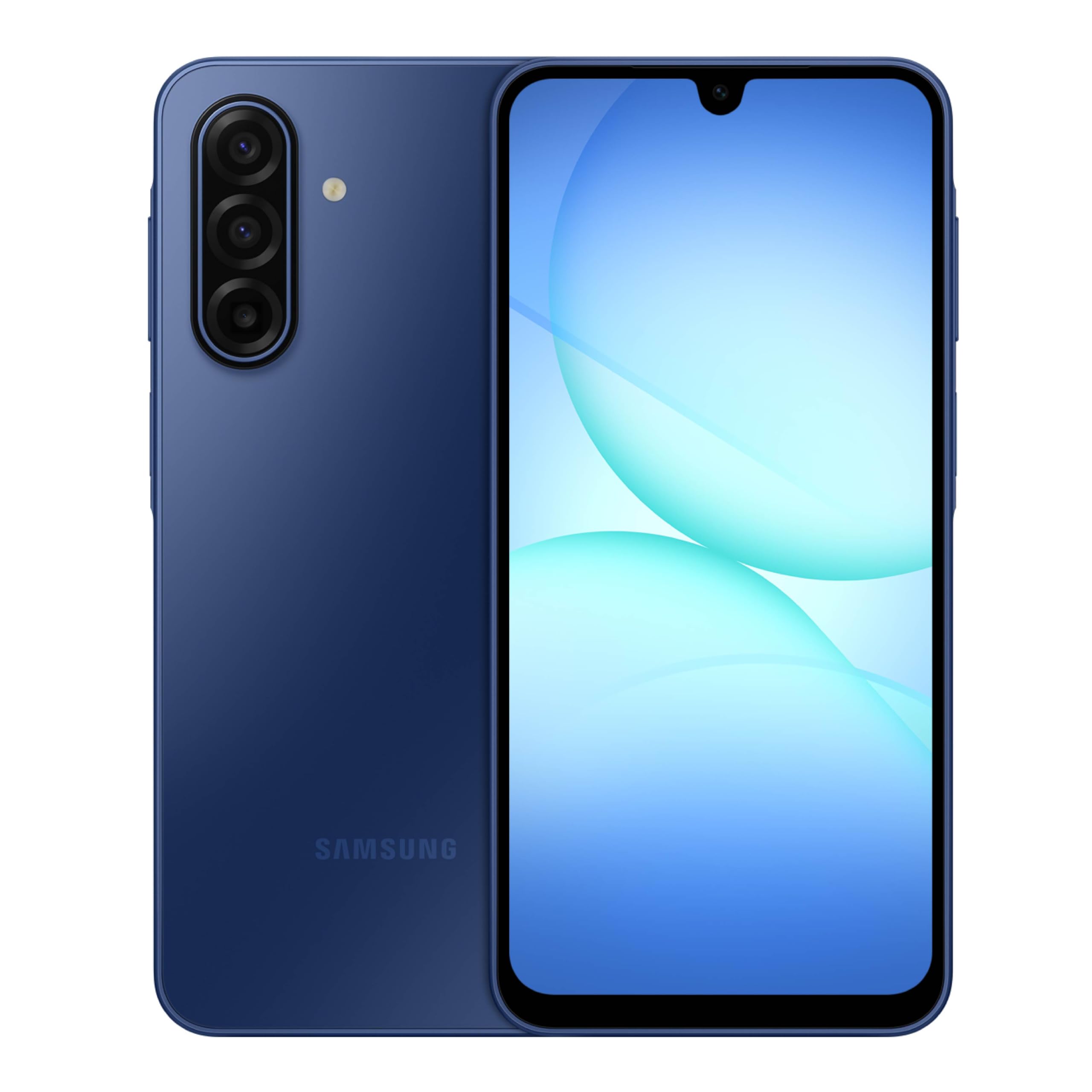
The Samsung Galaxy A17 5G arrives at $199 with a promise that sounds almost too good for the price: a 6.7-inch Super AMOLED display, a 50-megapixel main camera with optical image stabilization, and a commitment to six major Android OS upgrades. That last point alone puts it in rare company at this price tier. After spending time with the A17 5G, I came away with a clear picture of a phone that makes smart choices where it counts and accepts real trade-offs where it has to.
This is not a phone that will impress benchmarkers or hardcore gamers. The Exynos 1330 chipset has a ceiling, and you will feel it. But for the buyer who wants a reliable daily driver that will still receive Android updates well into the next decade, Samsung has built something genuinely worth considering at $199.
Quick Verdict
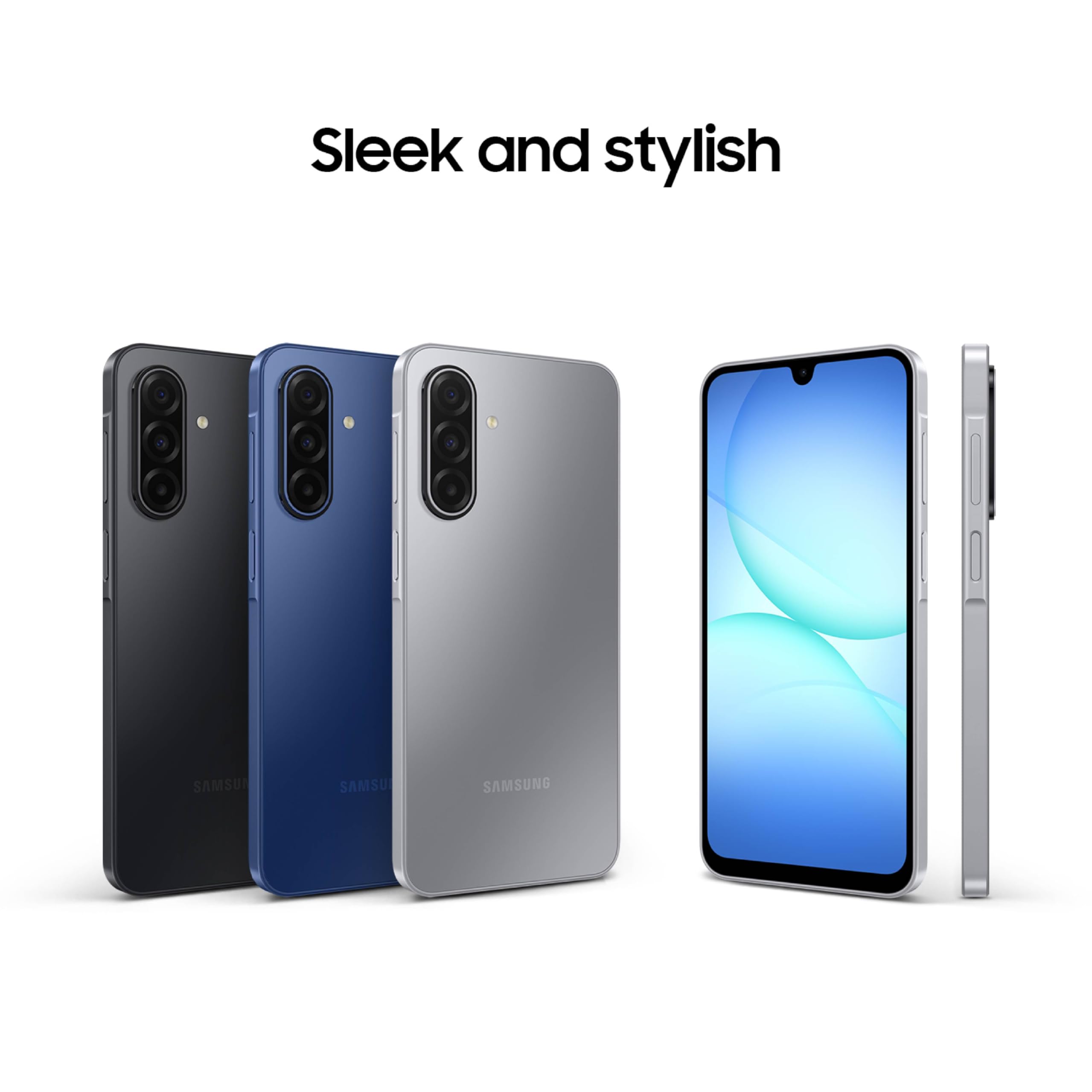
The Samsung Galaxy A17 5G is the right phone for the wrong kind of buyer to overlook. At $199, you get a Super AMOLED display, OIS on the main camera, IP54 splash resistance, NFC, eSIM, and a six-year OS update promise that most phones costing twice as much cannot match. The Exynos 1330 performance is the honest caveat, and the missing charger in the box is a genuine frustration. For everyday users who prioritize longevity and display quality over raw speed, this phone earns a recommendation. We rate it 3.5 out of 5.
| Aspect | Rating |
|---|---|
| Display | 4/5 |
| Camera | 3.5/5 |
| Battery Life | 4/5 |
| Performance | 3/5 |
| Software | 4.5/5 |
| Value | 3.5/5 |
| Overall | 3.5/5 |
Pros
- Six major Android OS upgrades promised, exceptional for this price tier
- Super AMOLED display with Gorilla Glass Victus front protection
- 50MP main camera with OIS, a genuine differentiator under $200
- IP54 splash resistance, NFC, and eSIM all included
- 5,000 mAh battery with all-day endurance potential
Cons
- No charger included in the box, only a USB-C cable
- Exynos 1330 shows its limits under sustained load
- 90Hz refresh rate when most rivals in the segment now offer 120Hz
- 5MP ultrawide camera is a filler lens, not a real shooting option
- Video capped at 1080p/30fps with no 4K video support
- Wireless charging is not supported; Wi-Fi 5 only in a Wi-Fi 6 world
Specs at a Glance
| Specification | Detail |
|---|---|
| Price | $199 |
| Display Size | 6.70 inches |
| Panel Type | Super AMOLED |
| Resolution | 1080 x 2340 px, 385 ppi |
| Aspect Ratio | 19.5:9 |
| Refresh Rate | 90Hz |
| Peak Brightness (HBM) | 800 nits |
| Front Glass | Gorilla Glass Victus |
| Chipset | Exynos 1330 (5nm) |
| CPU | Octa-core: 2x 2.4GHz Cortex-A78 + 6x 2.0GHz Cortex-A55 |
| GPU | Mali-G68 MP2 |
| RAM / Storage Tiers | 4GB/128GB, 6GB/128GB, 8GB/128GB, 8GB/256GB |
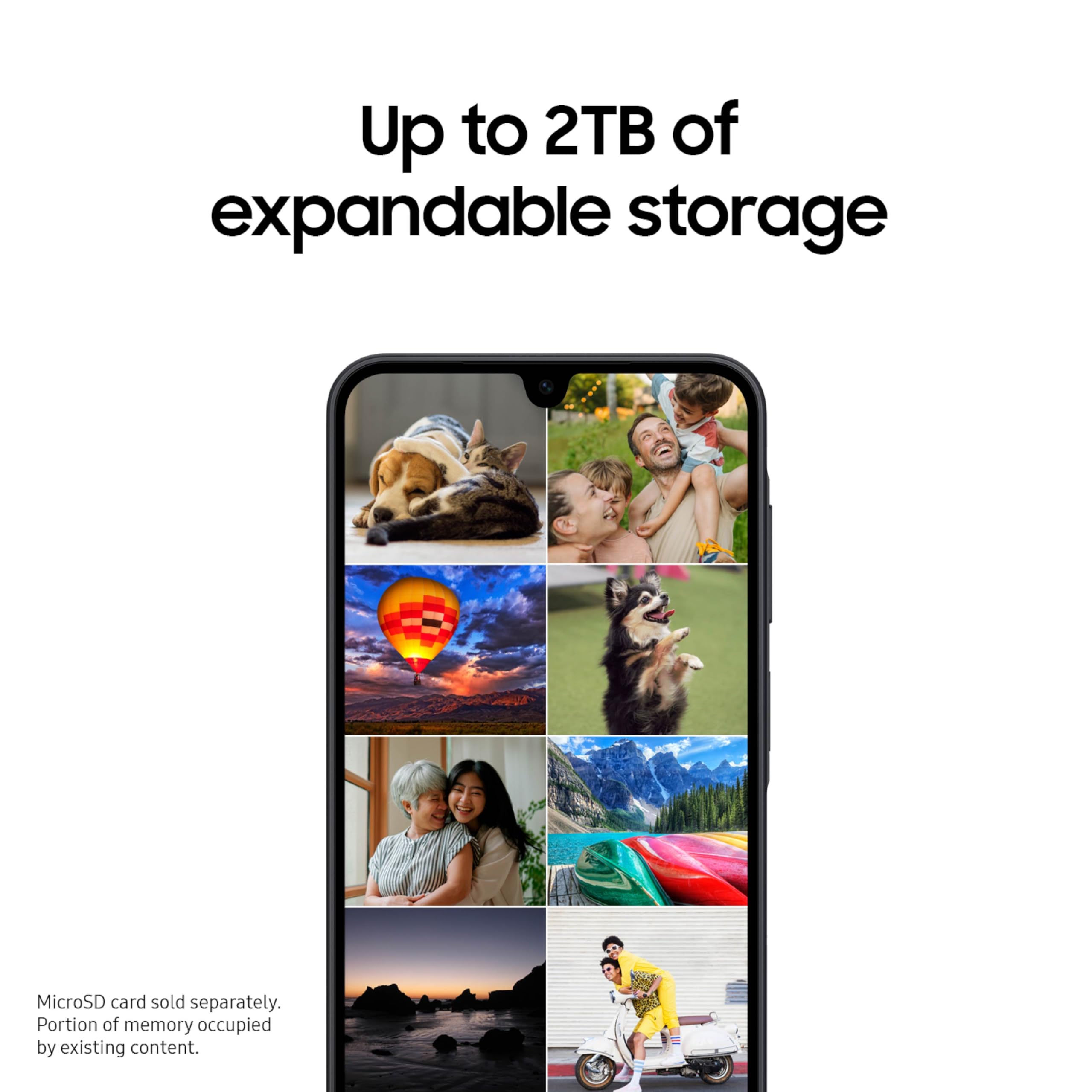
| Expandable Storage | microSDXC (shared SIM slot) |
| OS | Android 15, One UI 7 |
| OS Upgrade Support | 6 major Android versions |
| Rear Camera (Main) | 50MP, f/1.8, 1/2.76" sensor, OIS |
| Rear Camera (Ultrawide) | 5MP, f/2.2, 1/5.0" sensor |
| Rear Camera (Macro) | 2MP, f/2.4 |
| Front Camera | 13MP, f/2.0, 1/3.1" sensor |
| Video (Rear) | 1080p at 30fps with gyro-EIS |
| Video (Front) | 1080p at 30fps |
| Battery | 5,000 mAh |
| Wired Charging | 25W |
| 5G | Yes |
| eSIM | Yes |
| Wi-Fi | Wi-Fi 5 |
| Bluetooth | 5.3 |
| NFC | Yes |
| USB | USB-C |
| Biometrics | Side-mounted fingerprint reader |
| IP Rating | IP54 (dust protected, splash resistant) |
| Dimensions | 164.4 x 77.9 x 7.5 mm |
| Weight | 192g |
| Back Material | Glass fiber |
| Frame Material | Plastic |
| Charger Included | No (USB-C cable only) |
Display
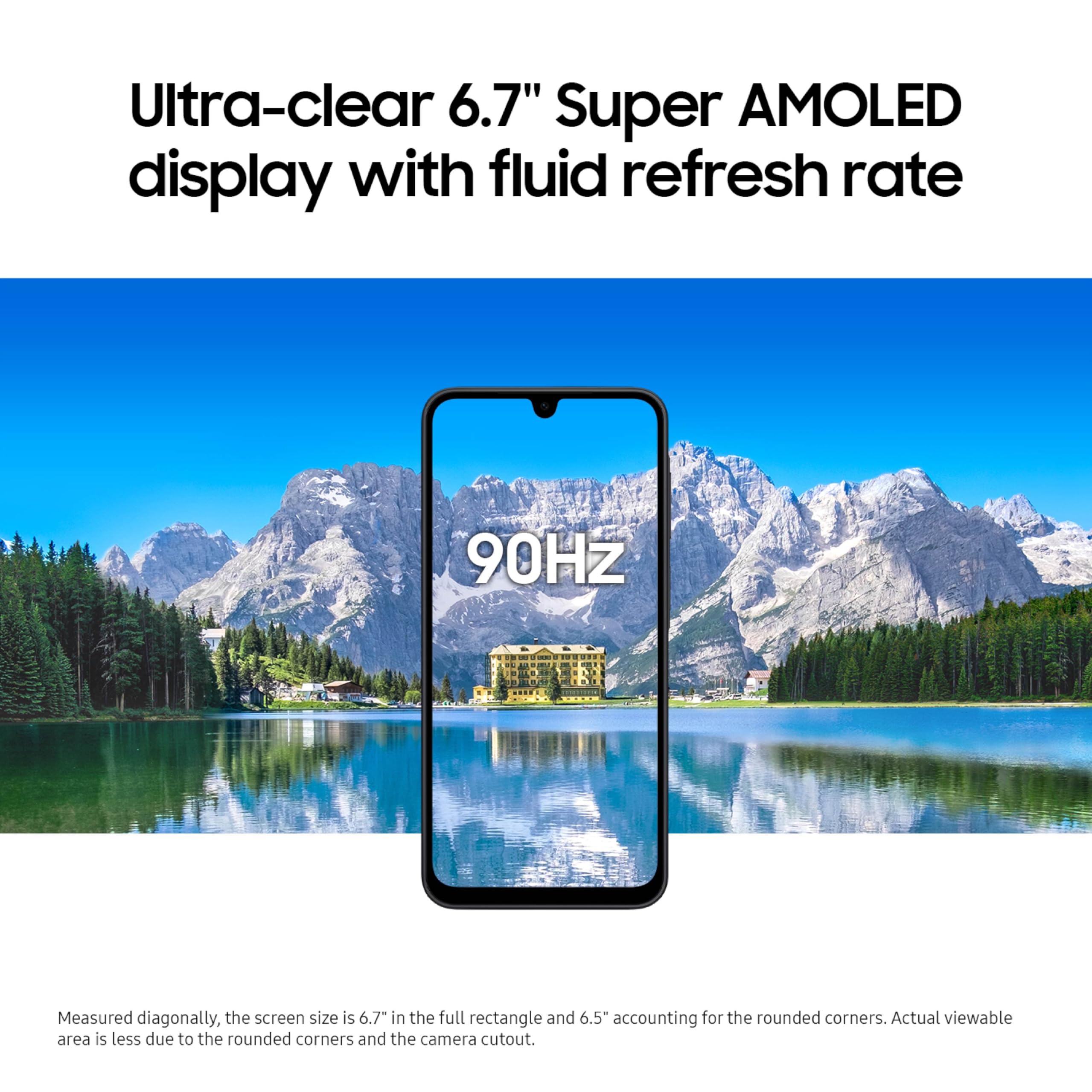
The 6.7-inch Super AMOLED panel is the A17 5G's most immediately impressive feature, and it punches meaningfully above the competition at this price point. Running at 1080 x 2340 pixels with a pixel density of 385 ppi, sharpness is not a concern in daily use. Text is crisp, images are defined, and the display holds up well even when you are reading smaller fonts or looking at detailed photography.
AMOLED technology brings its inherent advantages to this tier: true blacks because pixels physically switch off, contrast ratios that LCD panels at this price cannot touch, and color rendering that makes streaming video genuinely enjoyable. In our viewing sessions with film and television content, the A17 5G produced deep, saturated imagery that felt more premium than the $199 price would suggest. Dark scenes, in particular, benefited from the panel's ability to deliver true black rather than the milky greys you get from budget LCD alternatives.
The 90Hz refresh rate is functional and smooth for everyday navigation, but it is an honest trade-off worth naming. The entry-level and mid-range segments have shifted toward 120Hz as the expected standard, and several phones in the same price band now deliver that higher refresh rate. In side-by-side use, 90Hz feels slightly less fluid during fast scrolling and gaming. It is not a dealbreaker for most users, but buyers who have been using a 120Hz device will notice the step down. Samsung has made a choice here: the 90Hz ceiling helps battery efficiency, which feeds the all-day endurance story we explore in the battery section.
Peak brightness at the 800-nit HBM (High Brightness Mode) spec means outdoor legibility is solid in most conditions. In direct sunlight during our testing days, the display remained readable without requiring you to cup the screen with your hand, which is more than can be said for many panels at this tier. Indoor viewing is genuinely excellent: the brightness ceiling is comfortable, the dimming floor is low enough for nighttime use without eye strain, and the automatic brightness response was accurate throughout our time with the device.
Gorilla Glass Victus on the front is an upgrade from the previous generation and represents real value. Victus is Samsung's top-tier consumer glass specification, typically reserved for pricier handsets. Its presence here means the A17 5G should survive the accidental face-down drops and keys-in-pocket contact that ordinary glass struggles with. We did not run a formal drop test, but the peace of mind that Victus carries is meaningful for buyers who do not use cases.
The notch at the top of the display houses the front camera and is visually present. It is a design choice that feels a generation behind teardrop or punch-hole alternatives that have become standard, and the chin at the bottom of the screen is noticeable. These are cosmetic observations, not functional limitations, but they contribute to an overall aesthetic that looks slightly dated compared to phones at a similar tier from competing brands.
Camera System
The headline camera specification on the A17 5G is the 50-megapixel main sensor with optical image stabilization, and it is the single most compelling hardware argument for this phone at $199. OIS at this price is uncommon. Most sub-$200 phones rely entirely on electronic image stabilization, which works by cropping the frame and processing out shake in software, at a cost to image quality and field of view. Optical stabilization moves the physical lens element to compensate for hand movement, producing cleaner results especially in low light and video.
In practice, the main camera delivered strong results for a phone in this class. Daylight shots were detailed and well-exposed, with the f/1.8 aperture allowing the sensor to gather good amounts of light. The 1/2.76-inch sensor size is appropriate for the tier and produced images with controlled noise in mixed lighting. The OIS made a visible difference in handheld low-light photography during our evening shooting sessions: frames were consistently sharper than we typically see from phones relying on EIS alone in comparable conditions.
The autofocus system performed reliably in standard conditions. It locked on quickly to subjects in good light and handled moderate subject movement without hunting. In very low light, the AF became slower and occasionally needed a second attempt to lock, which is typical behavior for this sensor class.
The ultrawide camera at 5 megapixels and f/2.2 is, bluntly, a filler lens. It captures enough detail for social media and casual sharing, but the 1/5.0-inch sensor and 5-megapixel resolution ceiling mean you will not get the wide-angle shots you might hope for. Dynamic range drops noticeably when you switch to the ultrawide, and edge distortion is visible in architectural and landscape shots. This is a known trade-off at this price tier, and Samsung is not alone in pairing a strong main camera with a weak ultrawide. Treat it as a convenience option rather than a genuine second shooter.
The 2-megapixel macro camera rounds out the rear array. Macro lenses at this resolution are largely symbolic, included to let Samsung market a triple-camera system on the packaging. We tested it for close-focus shots of product labels and small objects, and results were usable for sharing but not for any serious purpose. Do not factor it into your buying decision.
The 13-megapixel front camera behind the f/2.0 aperture performed well for video calls and selfies in good light. The 1/3.1-inch sensor captures enough detail for the use case, and skin tones were rendered naturally without the aggressive smoothing that cheaper front cameras sometimes apply. In lower light, the front camera struggled more noticeably, producing softer images, though it remained functional for most social video contexts.
Video recording tops out at 1080p at 30fps on both rear and front cameras, with gyro-EIS on the rear for stabilization. The phone does not support 4K video recording. Budget competitors have moved to 1080p/60fps or 4K/30fps as their ceiling, making the A17 5G's video spec a meaningful gap for anyone who shoots regularly. The gyro-EIS does a reasonable job of smoothing walking shots and casual handheld video, but there is no getting around the resolution ceiling if your content workflow requires higher-quality footage.
Battery Life and Charging
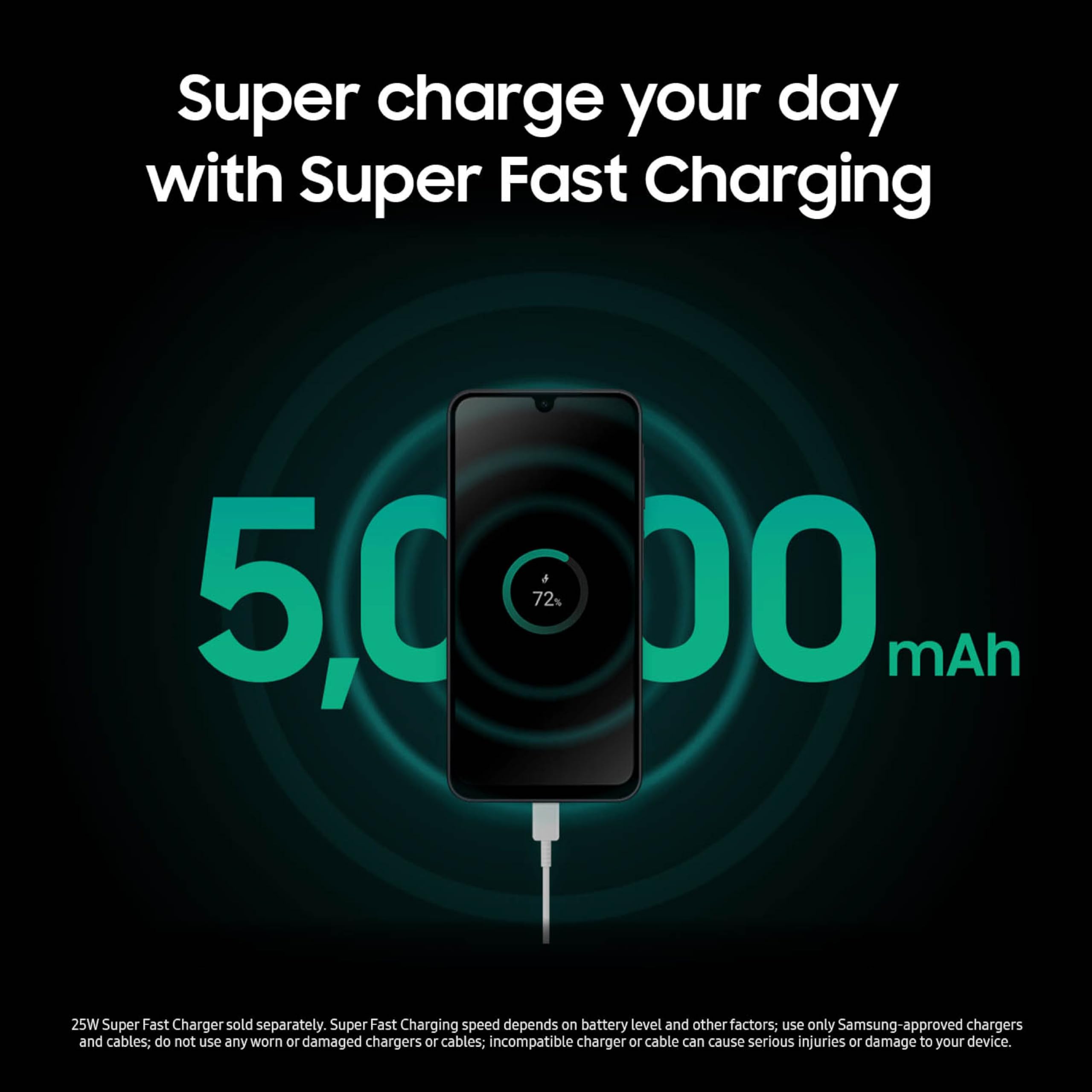
The 5,000 mAh battery is what you would expect from a phone positioned as a reliable daily driver, and the A17 5G's hardware profile is well-suited to making the most of that capacity. The Exynos 1330 chipset is built on a 5-nanometer process, which delivers meaningful efficiency compared to older architectures. The 90Hz display, while a step below 120Hz rivals, consumes less power than higher refresh rates. The combination means that in our day-to-day usage covering messaging, social apps, navigation, streaming, and occasional photography, the A17 5G reached the evening with charge to spare.
We are being transparent here: we do not have a lab-tested screen-on-time figure for this review. What we can say from hands-on use is that the power balance between the 5,000 mAh capacity, the 90Hz display, and the 5nm chipset is well-calibrated for all-day endurance. Light to moderate users should reasonably expect to reach two days between charges. Heavy users running the display at high brightness with intensive apps will land somewhere in the comfortable single-day range. That is a solid outcome for a phone at this price.
25W wired charging is functional but not a strength. By current standards, 25W sits in the middle of the pack: noticeably slower than the 45W, 65W, or higher wattage found on phones at higher price tiers, and even some budget-tier competitors have begun closing that gap. The physics of a 5,000 mAh battery on 25W means you should plan for over an hour to go from low battery to full. If you need a fast top-up in 20 minutes before heading out, this phone will not save you.
Wireless charging is not supported on the A17 5G, based on its absence from Samsung's official specification documentation. Buyers who rely on Qi pads for overnight charging should be aware that wireless charging is not available on this device.
The missing charger in the box deserves direct comment. Samsung ships the A17 5G with a USB-C cable only. This is a genuine inconvenience for buyers who do not already have a compatible 25W adapter, and it represents a real additional cost on top of the $199 purchase price. At this tier, adding the inconvenience of sourcing your own charger separately is a harder ask than at higher price points where the practice is more accepted. It is the kind of cost-cutting decision that feels particularly noticeable in the budget segment.
Software and Features
The A17 5G ships with Android 15 under One UI 7, Samsung's software skin, and the software story is genuinely one of the strongest arguments for this phone at its price. Samsung has committed to six major Android OS upgrades for the A17 5G. At $199, that is an extraordinary promise. It means a phone bought today should receive updates through Android 21, positioning it as a viable daily driver well into the next decade. For buyers who hold onto phones for four or five years, this commitment changes the value calculation significantly.
One UI 7 is a mature, feature-rich interface. It layers Samsung's own apps, widgets, and customization options on top of the Android 15 base. Some users appreciate the additional functionality; others prefer a cleaner stock Android experience. Either way, the interface is stable, well-optimized for the hardware, and includes Samsung's full suite of productivity and personalization tools.
The side-mounted fingerprint reader integrated into the power button worked quickly and accurately throughout our testing. Unlock times were consistent, and we experienced very few failed reads under normal conditions. This placement is ergonomically sensible for a phone of this size, falling naturally where your thumb rests when picking up the device.
NFC is included, which enables contactless payments through Google Pay and Samsung Pay. At $199, NFC is not universal, and its inclusion is a practical win for buyers who rely on tap-to-pay daily. eSIM support adds further flexibility, allowing digital carrier provisioning without needing a physical SIM card swap, which is increasingly valuable for travelers.
Bluetooth 5.3 delivered stable connections to wireless earbuds and speakers in our testing, with no dropouts during normal use. The IP54 rating provides meaningful real-world protection: the A17 5G is rated against dust ingress and can handle water splashes without concern. It is not a swimming phone, but it will survive rain, coffee spills, and sweaty gym sessions without anxiety.
Wi-Fi 5 is the connectivity limitation most likely to age this phone. Wi-Fi 6 is now standard on competing devices at this tier, and Wi-Fi 6E has arrived in premium handsets. Wi-Fi 5 will handle everyday home and office networks without issue, but as Wi-Fi 6 routers become universal, the A17 5G will not take advantage of the improved throughput and congestion handling the newer standard offers.
Value for Money

At $199, the Samsung Galaxy A17 5G is competing in one of the most contested segments of the smartphone market. The combination of a Super AMOLED display, OIS on the main camera, IP54 splash resistance, NFC, eSIM, and the six-year OS update commitment represents a genuinely compelling feature set for the price. No single one of those features is unique at this tier, but having all of them together in one device at $199 is meaningful.
Buyers comparing the A17 5G against similarly priced alternatives will find phones that beat it on specific specs: competing devices offer 120Hz displays, higher-resolution ultrawide cameras, or 4K video. The A17 5G does not lead any single category except, arguably, the software longevity commitment. What it does is deliver a balanced, capable package without a glaring hardware failure at any single point. The 8GB/256GB configuration offers meaningful headroom for buyers who want more storage without moving into a higher price bracket, while the entry 4GB/128GB tier keeps the starting price accessible.
The missing charger, the 90Hz ceiling, the weak ultrawide, and the Exynos 1330 performance ceiling are real trade-offs. But against the AMOLED quality, the OIS camera, and the promise of six years of updates, those trade-offs feel like an intentional, defensible set of choices rather than cost-cutting oversights.
Who Should (and Should Not) Buy This
Buy the Samsung Galaxy A17 5G if: you want a daily phone that will receive software updates for years without needing to upgrade. The six OS upgrade promise is the single strongest reason to choose this phone over almost anything else at $199. It is also the right choice if you value display quality: a Super AMOLED panel at this price is genuinely good, and it will look better than every LCD rival you put next to it. If NFC and eSIM matter for your daily workflow, the A17 5G includes both without asking you to pay a premium. And if you shoot in variable light, the OIS on the main camera will produce noticeably better low-light stills than phones relying on EIS alone.
Skip the Samsung Galaxy A17 5G if: you are a mobile gamer who needs GPU headroom beyond what the Exynos 1330 and Mali-G68 MP2 provide -- this phone will handle casual titles fine and struggle with demanding 3D games. Skip it if 120Hz display smoothness is non-negotiable for your experience: the 90Hz ceiling is real and you will feel it coming from a higher-refresh device. Skip it if you shoot video seriously: 1080p/30fps is a legitimate limitation and competitors offer higher ceiling video modes. Skip it if you need a fast charger out of the box: you will need to source your own 25W adapter separately.
Bottom Line
The Samsung Galaxy A17 5G is a phone built for buyers who think in years rather than months. At $199, it offers a Super AMOLED display, an OIS-equipped 50-megapixel camera, IP54 protection, NFC, eSIM, and a software support window that extends further than most phones at any price. Those are real, durable advantages. The Exynos 1330 performance ceiling, the 90Hz display, the absent charger, and the 1080p video cap are equally real limitations, and buyers should weigh them honestly against their priorities.
For the everyday user who wants a reliable, good-looking phone that will stay current and secure for years without requiring another purchase, the A17 5G is a rational, well-considered choice. For the spec-hunter or performance user, it is not the right tool.
Samsung built a phone that knows exactly what it is and delivers on that identity without overpromising. In a segment crowded with compromised devices, that clarity of purpose is worth something.
-- Theo Chan, Hardware Testing Director
*Disclosure: As an Amazon Associate, Revuzia earns from qualifying purchases. Prices and availability are accurate as of publication and may change.*