Seals Evolved Amphibious Hearing 26.7 Million Years Ago by AccidentSeals Evolved Amphibious Hearing 26.7 Million Years Ago by AccidentSeals Evolved Amphibious Hearing 26.7 Million Years Ago by AccidentSeals Evolved Amphibious Hearing 26.7 Million Years Ago by Accident
July 29, 2026
A new study has pinpointed the moment seals and their relatives became the only mammals on Earth capable of hearing clearly in both air and water: approximately 26.7 million years ago, nearly 100 million years after mammals first evolved air-based hearing. The twist is that the
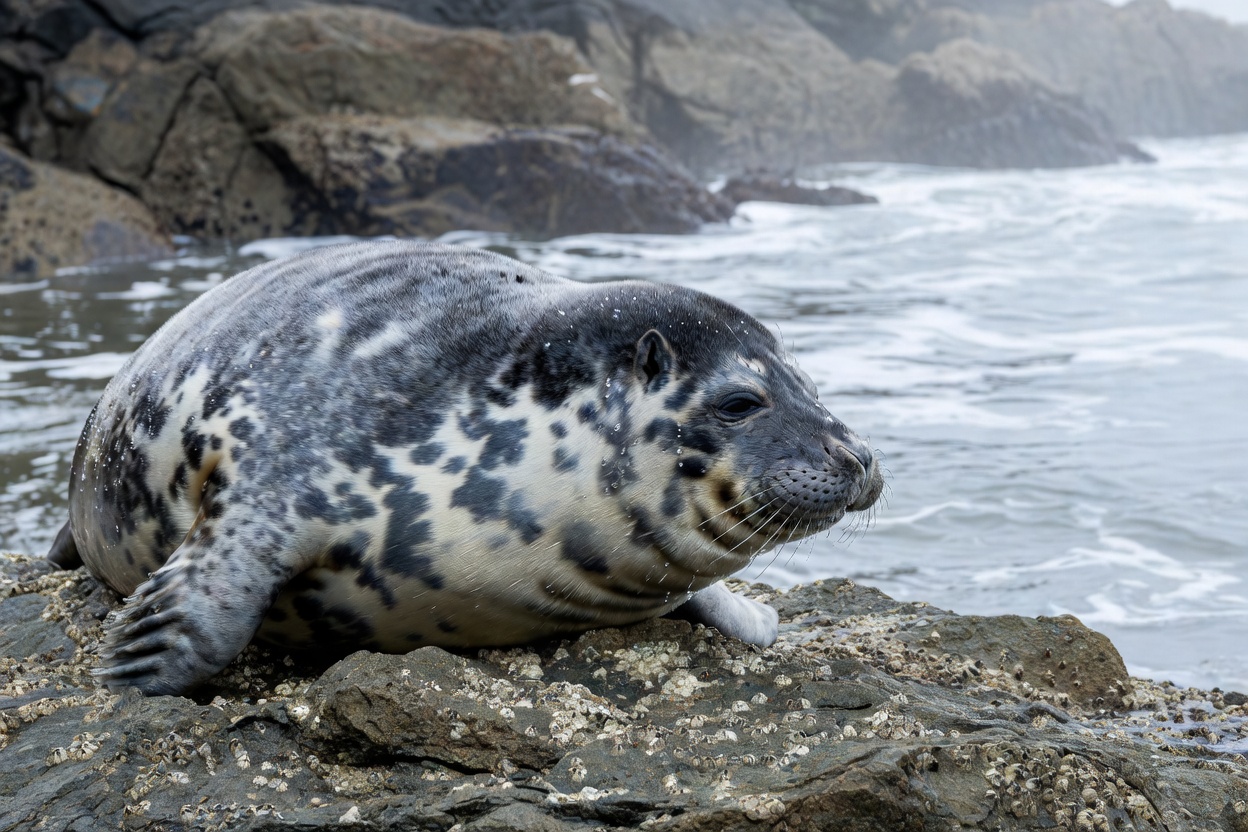
A new study has pinpointed the moment seals and their relatives became the only mammals on Earth capable of hearing clearly in both air and water: approximately 26.7 million years ago, nearly 100 million years after mammals first evolved air-based hearing. The twist is that the anatomical structure responsible for this achievement almost certainly did not evolve for hearing at all. A blood-filled cavity in the pinniped middle ear, now essential for underwater acoustic perception, appears to have originated as a pressure-equalization mechanism during diving, and its first effect on hearing was probably to make underwater sound uncomfortably loud. What followed was a second evolutionary adjustment to dial that amplification back, producing by accident and correction a sensory system no other mammal lineage has replicated.
The study, led by vertebrate paleontologist James Rule of Monash University in Melbourne, Australia, was published on July 15, 2026, in Proceedings of the Royal Society B: Biological Sciences. It offers the most comprehensive anatomical dataset ever assembled for pinniped ear structure, tracing the transition from purely air-adapted ancestors to fully amphibious hearers across both the fossil record and all living seal, sea lion, and walrus species.
What the Researchers Found
Pinnipeds -- the group comprising seals, sea lions, fur seals, and walruses -- have long been known to hear effectively underwater. What Rule's team established is when this ability appeared and how the underlying anatomy enabled it. The answer to the "when" question is 26.7 million years ago, a date derived from micro-CT analysis combined with phylogenetic modeling (computational reconstruction of evolutionary family trees based on physical trait data mapped across living and extinct species).
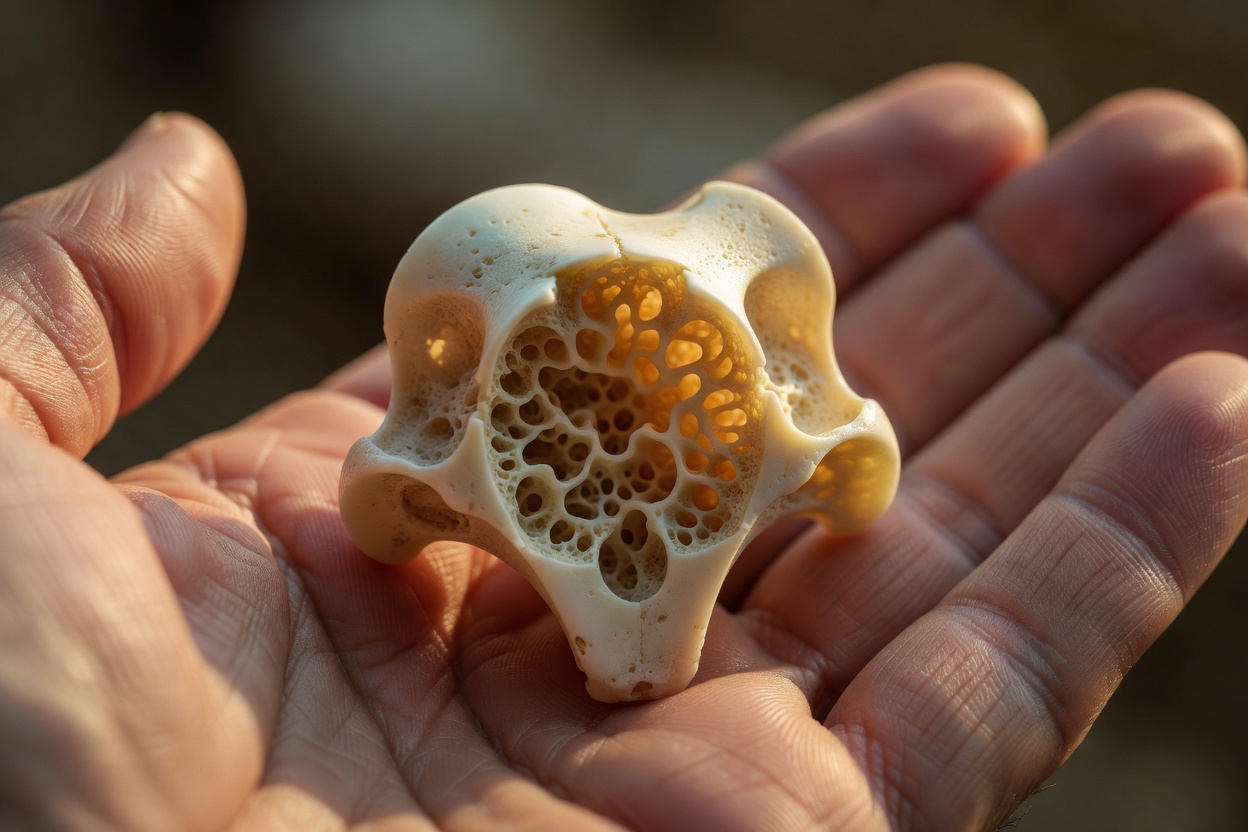
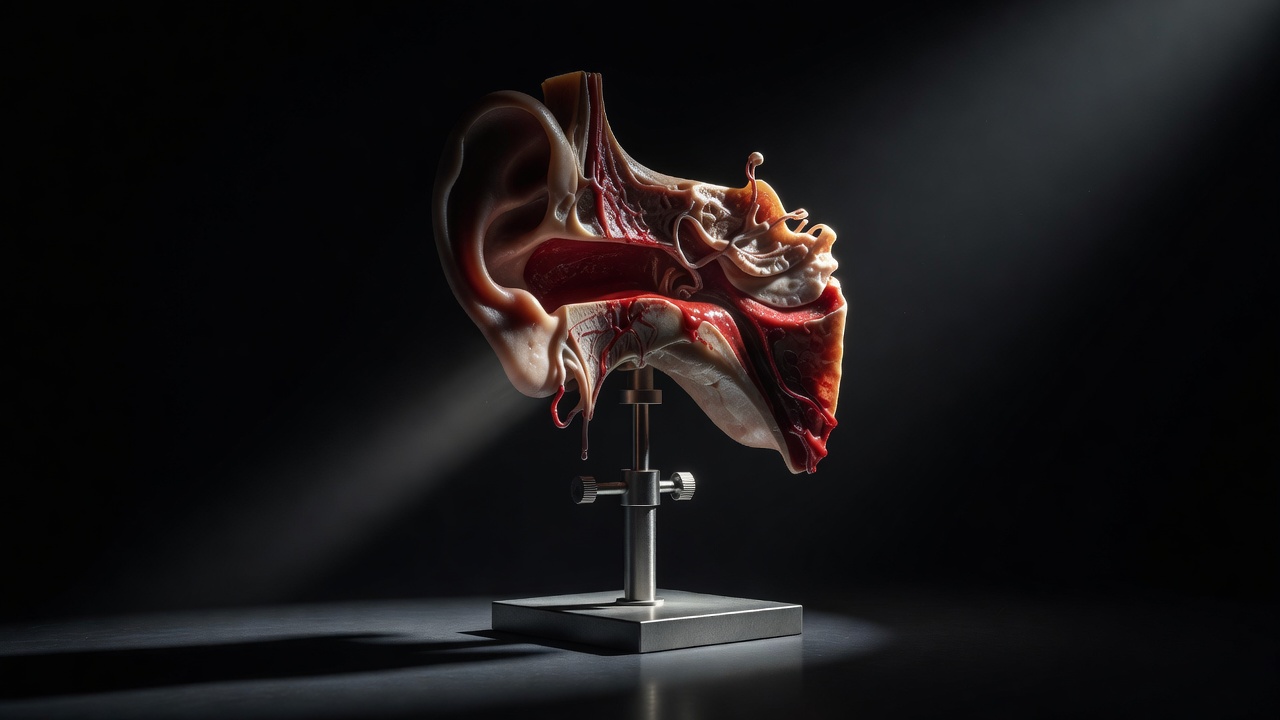
The "how" centers on a structure called the cavernous sinus, a spongy network of tissue surrounding the middle ear chamber that fills with blood when a pinniped dives. In humans and other terrestrial mammals, the space between the eardrum and inner ear is permanently air-filled. That architecture works well in air, where sound travels as pressure waves through a low-density medium. It fails underwater for a straightforward physical reason: water is approximately 800 times denser than air, and less than 1 percent of underwater sounds penetrate the air-filled human middle ear.
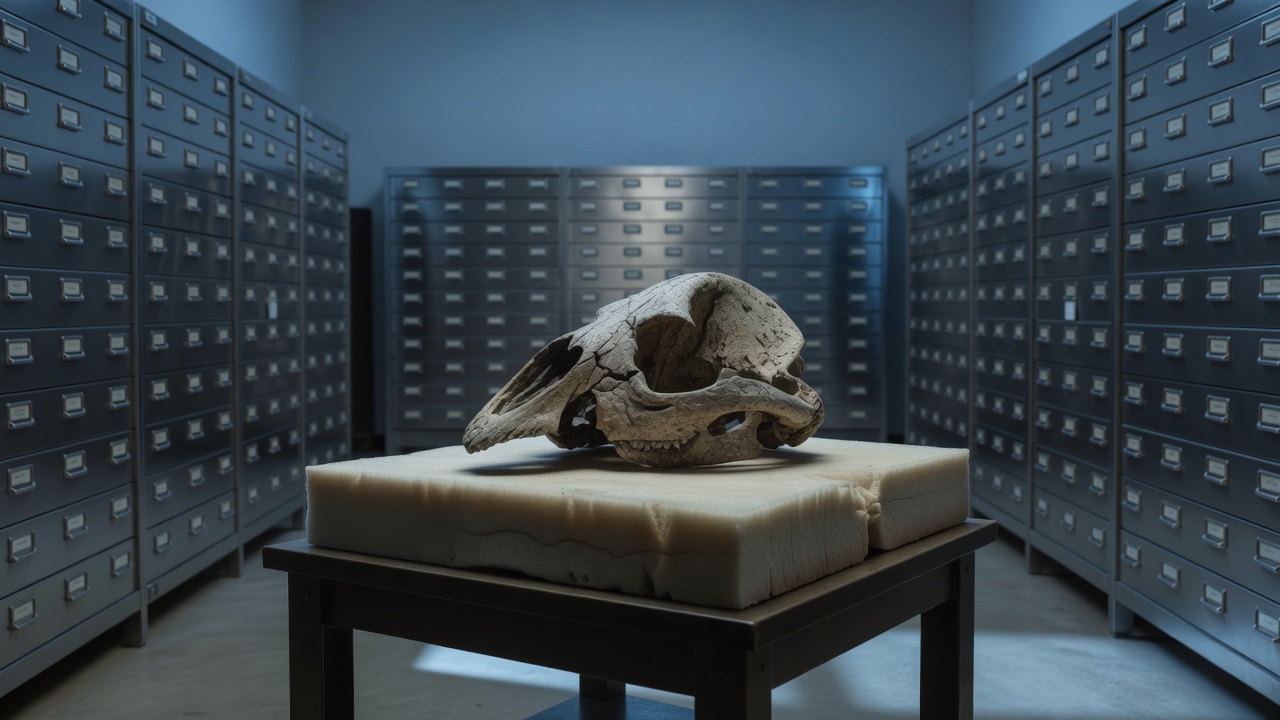
In pinnipeds, the blood-filled cavernous sinus changes the equation. Blood density is far closer to water density than air density is, allowing incoming underwater sound to couple efficiently into the middle ear rather than reflecting off an air boundary. The result, as Rule describes it, is a system that "enables them to hear sounds clearly, filter out useful sound signals and tell what direction they come from" while submerged. The same ears work in air when the sinus drains.
"They are the only mammals which can do this," Rule said, referring to the dual-medium capability. The Monash University team's analysis places the origin of this capability at a specific moment in the late Oligocene, when the pinniped lineage was still branching away from its terrestrial musteloid relatives.
The Methodology
The dataset underpinning the study is unusually complete. Rule and colleagues micro-CT scanned (a technique Rule described as "like the scan you would get at the doctor, but much more powerful and for very small objects") 217 ear specimens drawn from 119 mammal species. Critically, they included all 34 modern pinniped species, ensuring no living variation was excluded from the analysis.
The specimen list extended well beyond pinnipeds. The researchers also scanned non-pinniped relatives, including dogs, weasels, otters, and raccoons, providing a baseline for what musteloid ears look like without aquatic adaptation. This comparative framework allowed the team to identify when the cavernous tissue first appears in the fossil record and to model its spread across the pinniped family tree.
Two fossil genera anchored the timeline at either end of the transition:
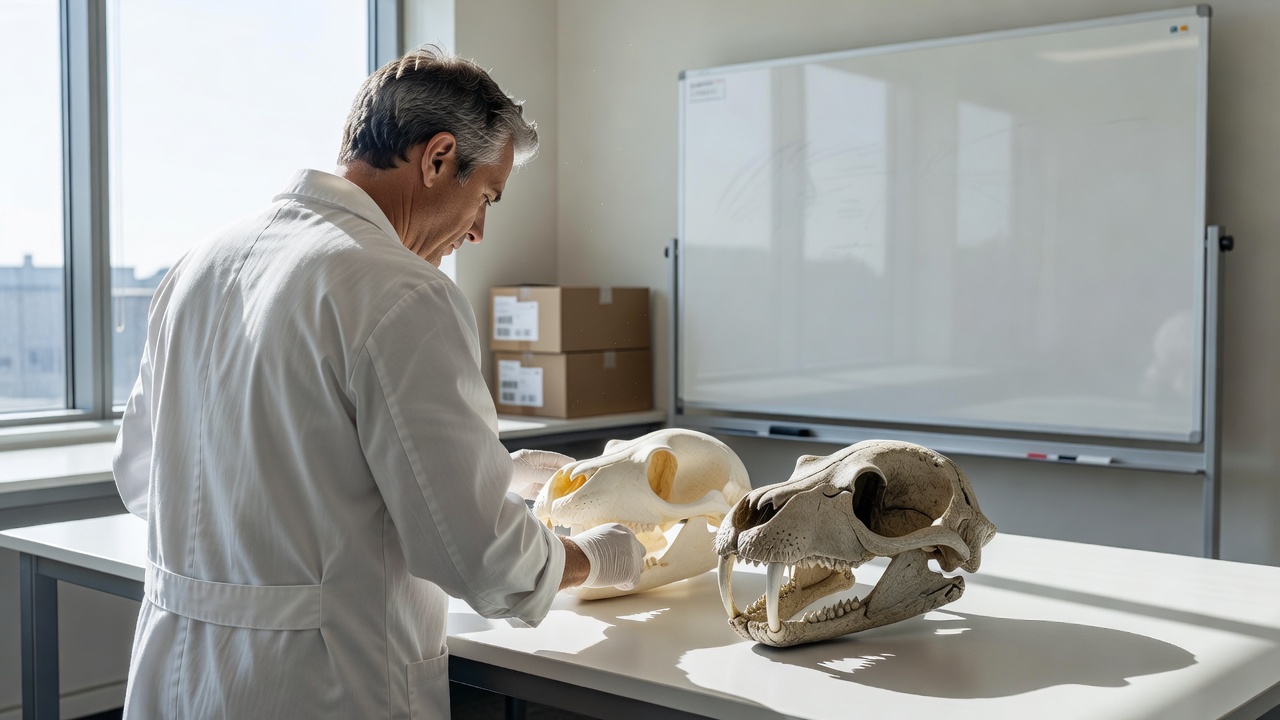
- Puijila: A semi-aquatic freshwater carnivore considered the most primitive pinnipedimorph yet found. Despite its semi-aquatic lifestyle, the study found that Puijila's ear anatomy lacked cavernous tissue entirely, placing it in the air-hearing-only category.
- Enaliarctos: An extinct genus considered among the first fully marine pinnipeds, with fossils from late Oligocene and early Miocene strata in California and Oregon. Enaliarctos is associated in the study with the emergence of the amphibious hearing trait.
By mapping the presence or absence of cavernous sinus tissue across this phylogenetic tree, the team modeled when the trait most likely originated. The result was 26.7 million years ago, placing the transition between Puijila-grade ancestors and Enaliarctos-grade fully marine pinnipeds.
Why It Matters
The physics of underwater hearing represent one of the more intractable sensory engineering problems in vertebrate evolution. Mammals first evolved hearing in air roughly 100 million years ago. The middle ear structures that handle airborne sound are exquisitely tuned to the impedance of air. Moving those structures into water without modification is acoustically nearly useless: the energy carried by underwater sound largely bounces off the air-filled cavity rather than entering the inner ear.
Cetaceans solved this problem by abandoning air hearing almost entirely. Their middle ears are acoustically isolated from the skull and specialized for underwater sound reception through the lower jaw. That solution is irreversible -- a whale cannot hear in air the way a seal can.
Pinnipeds took a different path. By replacing the air in and around the middle ear with a fluid whose density approximates water, pinnipeds effectively developed a switchable impedance-matching system (a mechanism that equalizes the acoustic energy transfer between two media of different densities). Dive, and blood fills the sinus, coupling underwater sound into the ear efficiently. Surface, and the fluid redistributes, restoring air-hearing function.
The evolutionary accident angle adds a further dimension. The cavernous sinus almost certainly arose first as a pressure-equalization mechanism during diving, not to enable hearing. Its initial effect on underwater acoustics may have been to amplify incoming sound beyond comfortable levels, prompting a compensatory adjustment elsewhere in the middle ear to reduce gain. The final hearing system emerged from two sequential changes neither of which was aimed at acoustic function.
Competitive Landscape
The relevant competitive frame is biological: which mammal lineages, if any, evolved comparable dual-medium hearing. Across 119 mammal species scanned, no non-pinniped lineage developed the cavernous sinus architecture. Whales and dolphins are fully committed to aquatic hearing and have lost functional air-hearing capability. Pinnipeds' musteloid relatives -- including otters, weasels, and raccoons -- retained standard air-hearing anatomy. The pinniped lineage sits alone in having navigated the transition without sacrificing one medium for the other.
Outside expert Steven Benjamins, a marine ecologist at the Scottish Association for Marine Science in Oban who was not involved in the study, offered independent perspective on the timeline: "Among the things that surprise me is how early in the fossil record the shift towards amphibious hearing is meant to have occurred." That surprise is analytically significant. Puijila is described as having lived in shallow freshwater with an otter-like body plan -- a lifestyle in which sophisticated underwater hearing would have offered limited advantage. The emergence of amphibious hearing at 26.7 million years ago, before the lineage had fully committed to a marine lifestyle, suggests the trait may have preceded rather than followed full marine specialization.
Limitations and Caveats
The 26.7 million year estimate carries inherent uncertainty. Phylogenetic dating methods produce probability distributions, not precise dates, and the study's specific confidence intervals are not detailed in the available coverage. A discrepancy in the public record is worth noting: a presentation by Rule references "roughly 29 million years ago" for the same event. Whether this reflects different fossil calibration points, rounding, or a revision between presentation and publication has not been publicly clarified. Readers should treat 26.7 million years ago as the figure from the published study while recognizing the inherent range in any phylogenetic estimate.
The fossil record itself presents gaps. Puijila and Enaliarctos do not yet have a well-sampled intermediate that would show the cavernous tissue in its earliest developmental stage. The 26.7 million year date is inferred from modeling, not from a fossil specimen caught mid-transition.
Micro-CT scanning of fossil specimens recovers bony structure with high fidelity, but soft tissue such as the cavernous sinus itself does not preserve. Researchers infer the presence or absence of cavernous tissue from the bony cavities and impressions that housed it -- an inference that is well-established in comparative anatomy but is not equivalent to direct observation of soft tissue in extinct species.
What Comes Next
The most immediate scientific priority the study implies is discovery of transitional fossil material between Puijila-grade ancestors and Enaliarctos-grade early marine pinnipeds. A specimen preserving the middle ear architecture at an intermediate stage would allow researchers to test whether the cavernous sinus emerged gradually or in a relatively abrupt anatomical shift. The Canadian Arctic, where the Puijila holotype was recovered from Miocene lake deposits on Devon Island, and late Oligocene Pacific coastal deposits in North America, where Enaliarctos fossils originate, represent the two most productive search areas.
The methodological framework Rule's team developed -- combining comprehensive micro-CT datasets with phylogenetic modeling across extinct and living species -- is transferable to other semi-aquatic mammal groups. River otters, minks, and other musteloids occupy aquatic niches without evolving amphibious hearing; understanding why the pinniped lineage crossed that threshold while musteloid relatives did not is a question the dataset is now positioned to probe. The publication in Proceedings of the Royal Society B on July 15, 2026 opens the dataset and methodology to scrutiny and extension by other research groups.
For marine biologists and conservation scientists, the study's most practical implication may be the one it does not yet make explicit: if amphibious hearing evolved across 26.7 million years into a system of exceptional sensitivity and directionality, the noise thresholds that matter for pinniped welfare are not arbitrary. They reflect the physics of a system calibrated over geological time, and understanding that calibration in mechanistic detail is the prerequisite for setting meaningful noise exposure standards for shipping, sonar, and industrial activity near pinniped habitat.
The most striking element of this story is not that seals can hear in water. It is that the machinery enabling that ability was not built for hearing, was initially bad at it, required a corrective second step to become useful, and then produced the acoustic range and precision to support vocal mimicry and rhythm tracking that most mammals cannot approach. Evolution's most durable innovations are frequently the ones it stumbled into and then fixed.
-- Zara Velez, Emerging Technology Editor
Sources: Science News · Monash University News Release (Proceedings of the Royal Society B: Biological Sciences, July 15, 2026)