300 Solar and Storage Firms Back Permitting Bill Claiming 167 GW Upside
November 10, 2026
More than 300 solar and storage companies have signed a letter urging congressional leaders to pass the Bipartisan American Affordability and Jobs Act (BAAJA, S. 5653), which the Solar Energy Industries Association (SEIA) says could unlock 167 GW of additional solar capacity
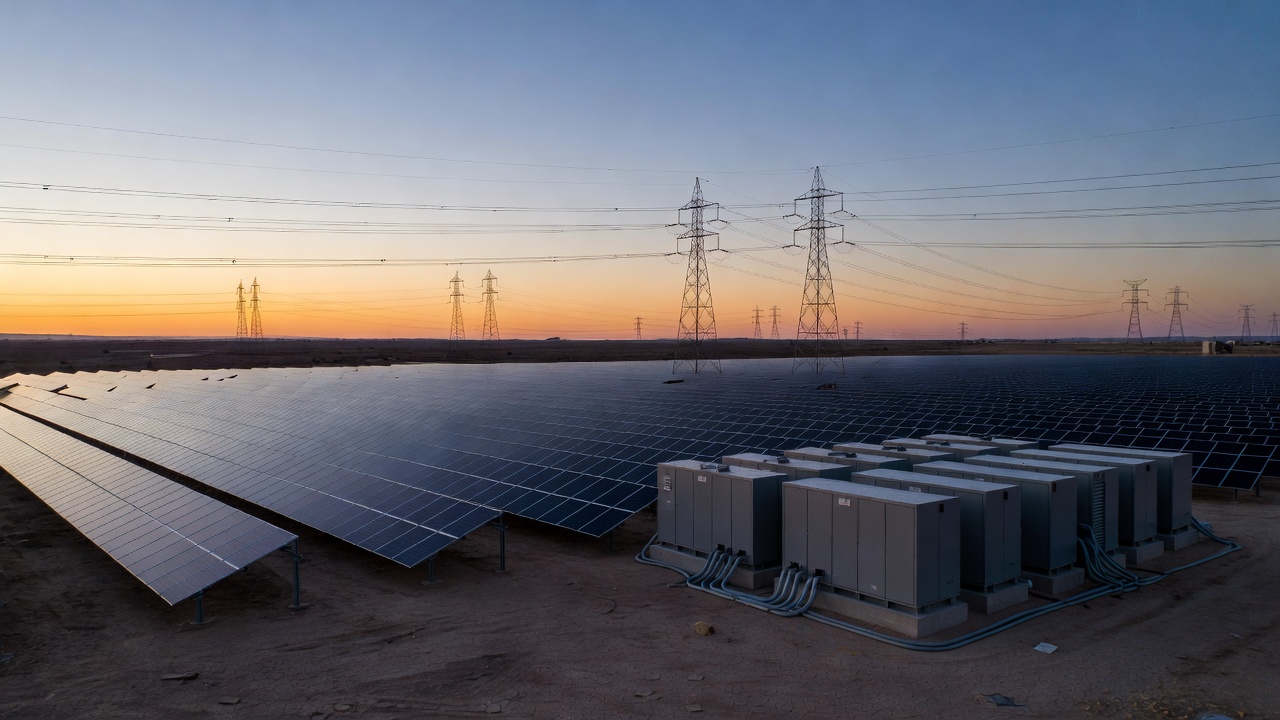
More than 300 solar and storage companies have signed a letter urging congressional leaders to pass the Bipartisan American Affordability and Jobs Act (BAAJA, S. 5653), which the Solar Energy Industries Association (SEIA) says could unlock 167 GW of additional solar capacity between 2028 and 2035. The headline number is a trade group's projection, not a forecast from a neutral modeler, and the more telling detail is the argument underneath it: the industry is now pitching permitting reform as an electricity-affordability measure rather than a climate one. For anyone planning projects, the question is whether a bill with no named sponsors or vote schedule in the source material can turn $120 billion in claimed stalled investment into steel in the ground.
What's New
The letter, addressed to congressional leaders, asks lawmakers to send BAAJA "to the President's desk." The signatories blame "outdated federal permitting processes and grid infrastructure bottlenecks" for delayed projects and higher electricity costs. They also say solar and storage account for 70% of new electricity capacity added to the grid so far in 2026, and that $120 billion of clean energy investment is caught in permitting delays. Both figures are the signatories' own claims, and the source gives no underlying data for either.
The text originates with SEIA, the national trade association for solar and solar-plus-storage, and was republished by CleanTechnica through a guest contributor account. It is a press release, so every claim in it is the advocate's. SEIA is the organizing body behind the effort.
The release quotes Tim Pawlenty, identified in the text as CEO of SEIA: "You can't lower energy costs if you can't build the energy projects, and these companies know that this bipartisan legislation will help get America building again." His title appears only as stated in the release.
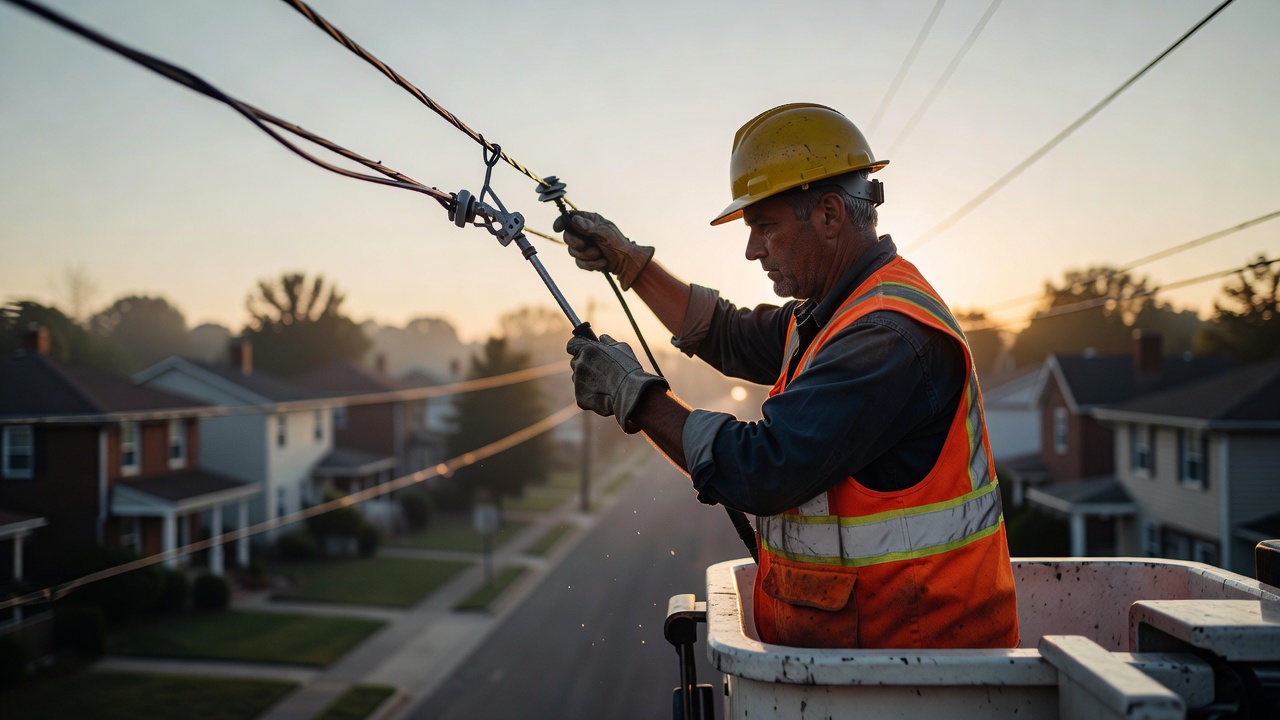
The framing matters. The quote links building directly to energy costs, and the letter blames permitting and grid bottlenecks for higher electricity costs, so the argument runs from approvals to prices rather than from approvals to emissions. That is a pitch built for lawmakers who may not rank climate first.
How It Works
According to the release, BAAJA pulls five levers. The source gives no bill text and no provision-level detail, so each description below is as characterized by the signatories.
- Fair treatment for all technologies in federal permitting, meaning solar and storage would be reviewed on terms comparable to other generation types.
- Protection of lawfully issued permits from "politically motivated delays," so a permit granted once is harder to stall or revisit.
- Predictable timelines for federal reviews and judicial proceedings, giving developers a defined window rather than open-ended waits.
- Modernized transmission planning, aimed at the grid bottlenecks the letter blames for delays.
- Wider wholesale market access for distributed energy resources (small generators and batteries, such as rooftop solar or neighborhood storage, that connect at the local level rather than at a large central plant). Wholesale markets are where electricity is bought and sold in bulk before it reaches retail customers.
The first three levers target the front end of a project: the federal review and legal challenge stages that come before construction.
The last two levers address the back end. A permitted project still needs transmission to deliver power and market rules that let it sell into wholesale markets. Bundling those with permitting suggests the signatories see approvals and grid access as one bottleneck, not two.
The Economics
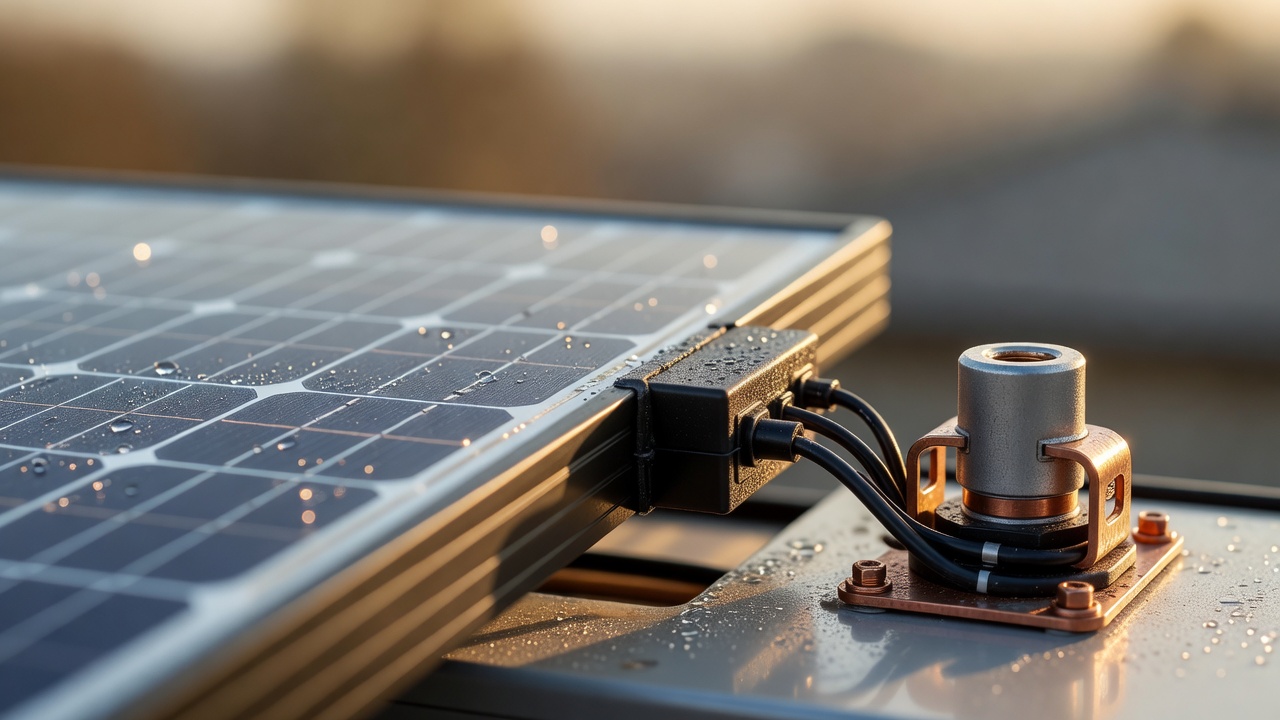
The economic case rests on figures that arrive without a methodology. Per the signatories, solar and storage make up 70% of new capacity added "thus far in 2026," and $120 billion in clean energy investment is held up in permitting. A new SEIA analysis adds four projections:
- 167 GW of additional solar capacity unlocked between 2028 and 2035. A gigawatt (GW) is one billion watts of generating capacity.
- Solar supplying more than 18% of U.S. electricity generation by 2035.
- About 20% lower cumulative power-sector CO2 emissions, meaning total emissions summed over a period rather than a single year's output.
- $54 billion in avoided public health damages.
The source states none of the following: the baseline scenario for the analysis, the time window for the "cumulative" CO2 reduction, or the period covered by the $54 billion figure. Without a baseline, 167 GW cannot be judged as large or modest, because the same number means very different things against a slow-growth and a fast-growth alternative.
Checking the 70% capacity claim and the 18% generation figure would require public data on capacity additions and generation by energy source.
Competitive Landscape
The source is thin on competitive context. It names no individual signatory companies, no legislators, and no opposing groups. It does not describe the positions of fossil, nuclear or wind interests, and it does not compare BAAJA with earlier permitting proposals.
What it does support is the shape of the coalition. SEIA, founded in 1974 and representing 1,200 member companies, is the organizing trade body, and more than 300 companies signed. The letter is therefore a broad industry statement rather than a single-company lobbying push. The "fair treatment for all technologies" language bears directly on how solar and storage compete with other generation for federal permits, since permitting speed is a competitive variable as much as price.
Independent analyst commentary specifically on this announcement was not publicly available at publication time.
What's Next
The letter asks Congress to move the bill to the President's desk, but the source gives no vote schedule, committee status, sponsor list or letter date. The "bipartisan" label is asserted without named members.
Three things are worth watching:
- Whether the bill advances in committee, and who its sponsors turn out to be.
- Whether more companies sign beyond the "more than 300" and whether the signatories skew toward installers or toward large developers and manufacturers.
- Whether SEIA discloses the baseline and time frames behind the 167 GW, 20% and $54 billion figures, which would let outside analysts test them.
For a procurement or policy planner at a developer, the practical translation is timing risk. The 167 GW claim spans 2028 to 2035, so a project sitting in review today would see any benefit only if the bill passes and its review-timeline provisions apply to pending applications, which the source does not address. Until sponsors, text and a baseline appear, treat the $120 billion as a signal of how much capital the industry says is waiting, not a measured figure.
The irony of the pitch is that an industry usually sold on emissions math is arguing on cost and speed. If the 167 GW holds up under scrutiny, permitting could matter as much as equipment prices in shaping solar's next decade. Until the baseline is public, it remains a trade group's number.
-- Aria Lin, Enterprise Technology Analyst
Sources: Congress · Mit · CleanTechnica