SpaceX Starship Flight 12 launches May 21 after seven-month gapSpaceX Starship Flight 12 launches May 21 after seven-month gapSpaceX Starship Flight 12 launches May 21 after seven-month gapSpaceX Starship Flight 12 launches May 21 after seven-month gap
May 19, 2026
SpaceX's Starship Flight 12 is scheduled to lift off from Starbase, Texas on Thursday, May 21, 2026, with a launch window opening at 6:30 p.m. EDT (2230 GMT) and closing at 8:00 p.m.
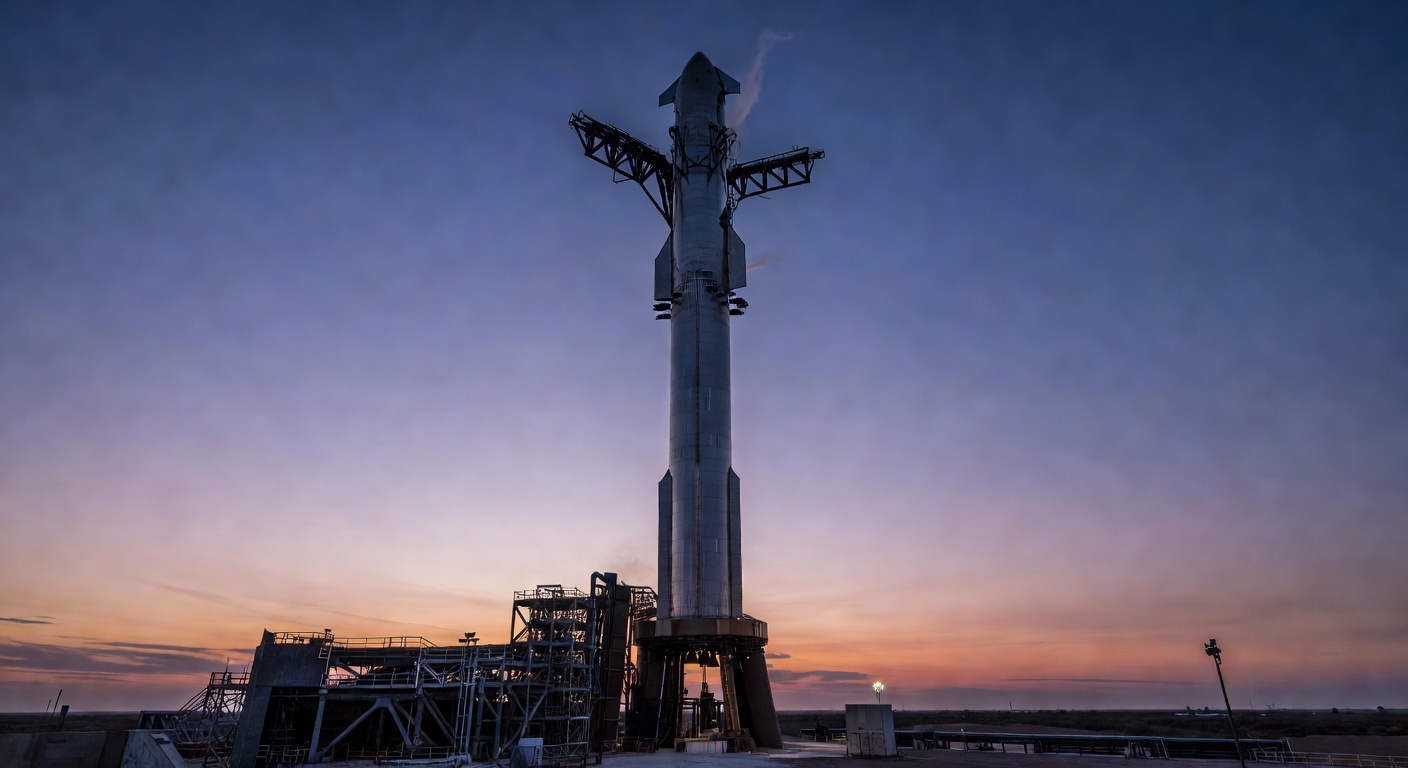
SpaceX's Starship Flight 12 is scheduled to lift off from Starbase, Texas on Thursday, May 21, 2026, with a launch window opening at 6:30 p.m. EDT (2230 GMT) and closing at 8:00 p.m. EDT. The vehicle attempting that flight is Starship V3, a ground-up redesign standing more than 400 feet (121 meters) tall -- yet despite SpaceX's stated ambition for rapid, high-frequency reuse, Flight 12 is the first Starship launch in seven months and the first of 2026, a cadence gap that frames every engineering choice on this mission as catch-up work against a 2028 NASA deadline. Two consecutive day-of-announcement delays slipped the date from May 19 to May 20 to May 21, and SpaceX has not publicly stated the reason for either slip, meaning every remaining hour before the window opens carries uncertainty.
What Happened
Flight 12 is the 12th Starship test since the program began in 2023, but the seven-month gap since Flight 11 in October 2025 sets it apart from the rhythm of prior test campaigns. SpaceX flew only five Starship missions in all of 2025, and Flight 12 is the first launch of 2026, making the cadence slower than the rapid-reuse ambitions the company has publicly articulated.
The delays added another layer of attention. Boca Chica beach closures were originally issued for May 17 and 18, then revoked. A revised road closure notice was issued May 18, covering May 19 through 21. The launch target moved from May 19 to May 20, then to May 21, with SpaceX offering no public explanation for either slip. The 90-minute window on May 21 opens at 6:30 p.m. EDT and closes at 8:00 p.m. EDT (0000 GMT May 22). If the attempt scrubs, May 22 is a possible backup date.
One structural change distinguishes this attempt from all prior Starship flights: it is the first launch from SpaceX's Pad 2 at Starbase. All 11 previous flights used Pad A. Pad 2 features shorter and faster capture arms, designed to support smoother booster and Ship recovery on future missions.
Neither the Super Heavy booster nor the Ship upper stage will be caught at the launch site on Flight 12. According to SpaceX's own Flight 12 mission overview, "As this is the first flight test of a significantly redesigned vehicle, the booster will not attempt a return to the launch site for catch." Super Heavy will instead make a water landing in the Gulf of Mexico approximately seven minutes after liftoff. Ship will continue downrange and splashdown in the Indian Ocean off Western Australia roughly 65 minutes into the flight.
The Science Behind It
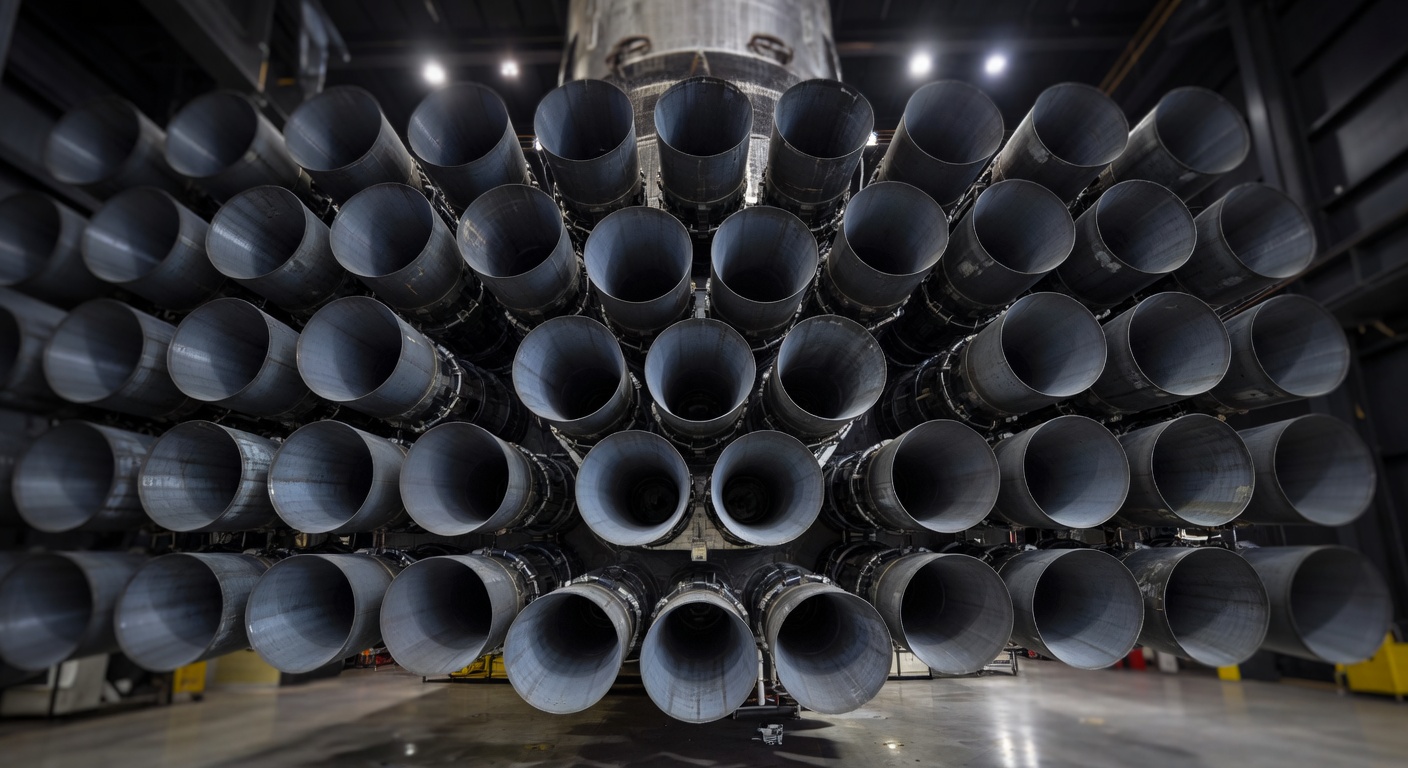
Starship V3 introduces several engineering changes that Flight 12 will evaluate for the first time in a flight environment. The most visible alteration on Super Heavy is a reduction in grid fin count from four to three, with the three remaining fins physically larger than their predecessors. The change is intended to improve control authority while reducing mechanical complexity, though aerodynamic tradeoffs will be measured against actual flight data from this mission.
Ship carries 22 dummy Starlink satellites on a suborbital trajectory, up from the eight to ten flown on previous missions. All 22 will burn up over the Indian Ocean and none will reach operational orbit. Two carry cameras, with a specific purpose described in SpaceX's mission overview: "The last two satellites deployed will scan Starship's heat shield and transmit imagery down to operators to test methods of analyzing Starship's heat shield readiness for return to launch site on future missions."
The heat shield itself is being deliberately stressed. One tile has been intentionally removed to study aerodynamic loading on surrounding tiles during atmospheric reentry, which begins at the 47-minute, 47-second mark of flight. The experiment targets a practical operational question: how much structural margin exists around any tile that is damaged or missing before a return flight.
SpaceX's mission overview describes two additional in-flight tests planned for Ship before splashdown: "the ship will perform experimental actions tested on previous flight tests, including a maneuver to intentionally stress the structural limits of the vehicle's rear flaps and a dynamic banking maneuver to mimic the trajectory that future missions returning to Starbase will fly." Both maneuvers are designed to generate performance data rather than demonstrate operational capability.
Why This Mission Matters
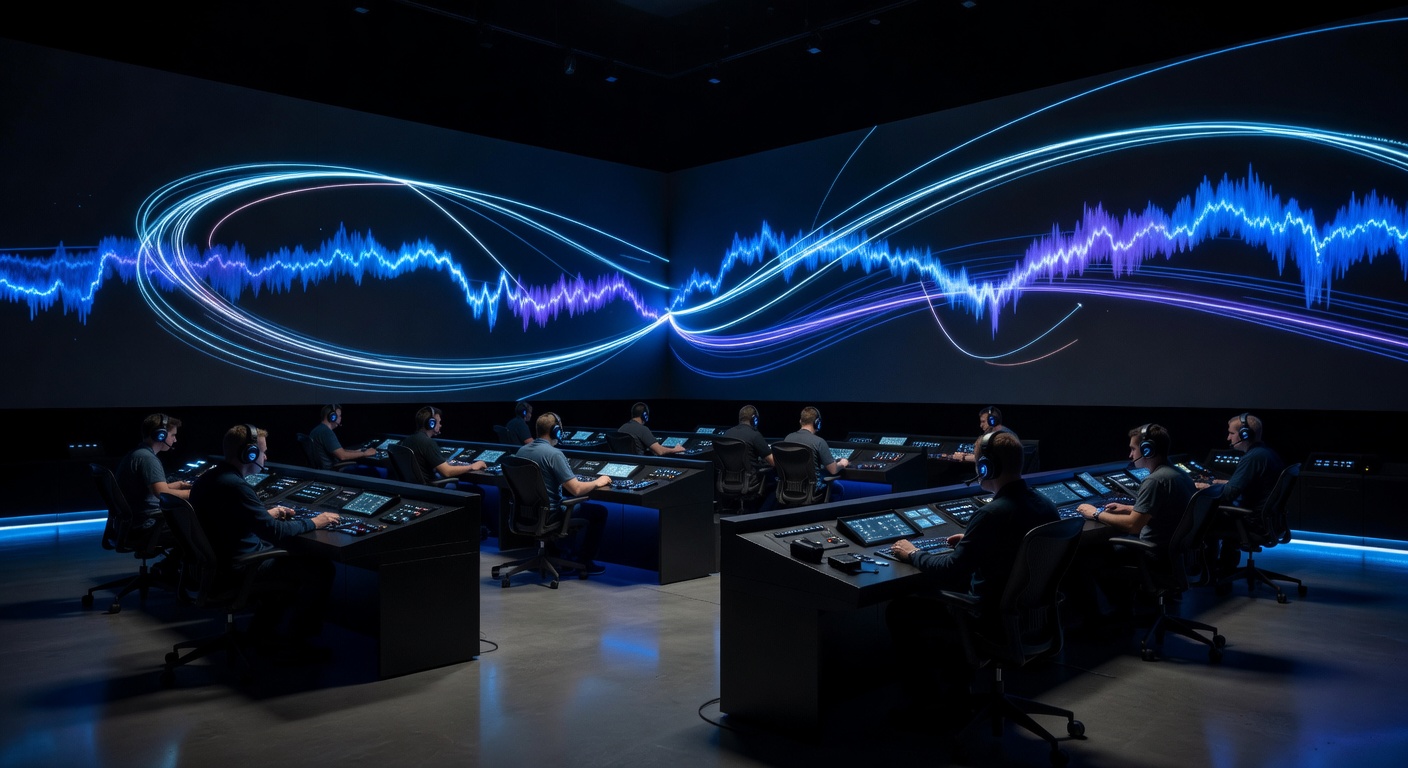
Starship V3 is not simply a newer version of an existing rocket. It is the baseline configuration that NASA has contracted to carry astronauts to the lunar surface during the Artemis 4 mission, currently targeted for 2028. That dependency gives Flight 12 a schedule consequence prior Starship tests did not carry: if V3's design cannot be validated within roughly two years, NASA's crewed lunar landing timeline is directly at risk.
SpaceX frames the flight in correspondingly broad terms. Its mission overview states: "The flight test's primary goal will be to demonstrate each of these new pieces in the flight environment for the first time, with each element of the Starship architecture featuring significant redesigns to enable full and rapid reuse that incorporate learnings from years of development and test."
The phrase "rapid reuse" carries specific architectural weight. The decision to forgo booster catch on Flight 12 is an acknowledgment that the V3 design is unproven, and that validating the vehicle's basic flight profile takes precedence over demonstrating recovery systems. Pad 2's faster capture arms will remain unused for this flight, but their presence represents the infrastructure SpaceX is building toward a recovery tempo that existing test results have not yet supported.
The 22 dummy Starlinks, the camera-equipped heat shield scouts, the deliberate tile removal, the rear flap stress maneuver, the banking trajectory test: each element of Flight 12's manifest maps to a specific capability required for operational lunar missions. Flight 12 is structured as a data-collection flight for a vehicle that needs to mature quickly.
Competitive Landscape
No named Starship competitor program was publicly identifiable at publication time with a vehicle in a comparable test or operational phase.
The competitive context that does exist is largely self-referential for SpaceX. The Starship program has now run 12 test flights since 2023, and the vehicle has not yet completed a full orbital flight. Five missions flew in all of 2025 against a stated ambition for rapid, high-frequency reuse. That gap between cadence goal and actual pace represents the program's primary internal tension heading into Flight 12.
The NASA dimension sharpens the stakes further. Starship is NASA's sole contracted Human Landing System for Artemis 4. NASA's multi-decade Artemis program has the crewed lunar landing it has been building toward dependent on a vehicle that, as of Flight 12, has never completed an orbital trajectory. SLS delivers crew to lunar orbit; only Starship is contracted to take them to the surface. There is no backup lander in the Artemis 4 architecture at this time.
- Starship cadence gap: 5 missions in all of 2025; Flight 12 is the first of 2026, seven months after Flight 11
- Orbital flight status: No Starship has completed a full orbit around Earth as of this article
- NASA dependency: Starship is the sole contracted Human Landing System for Artemis 4's 2028 crewed lunar landing target
- Pad 2 infrastructure: First use of SpaceX's second launch pad at Starbase, featuring faster capture arm hardware for future recovery operations
What Comes Next
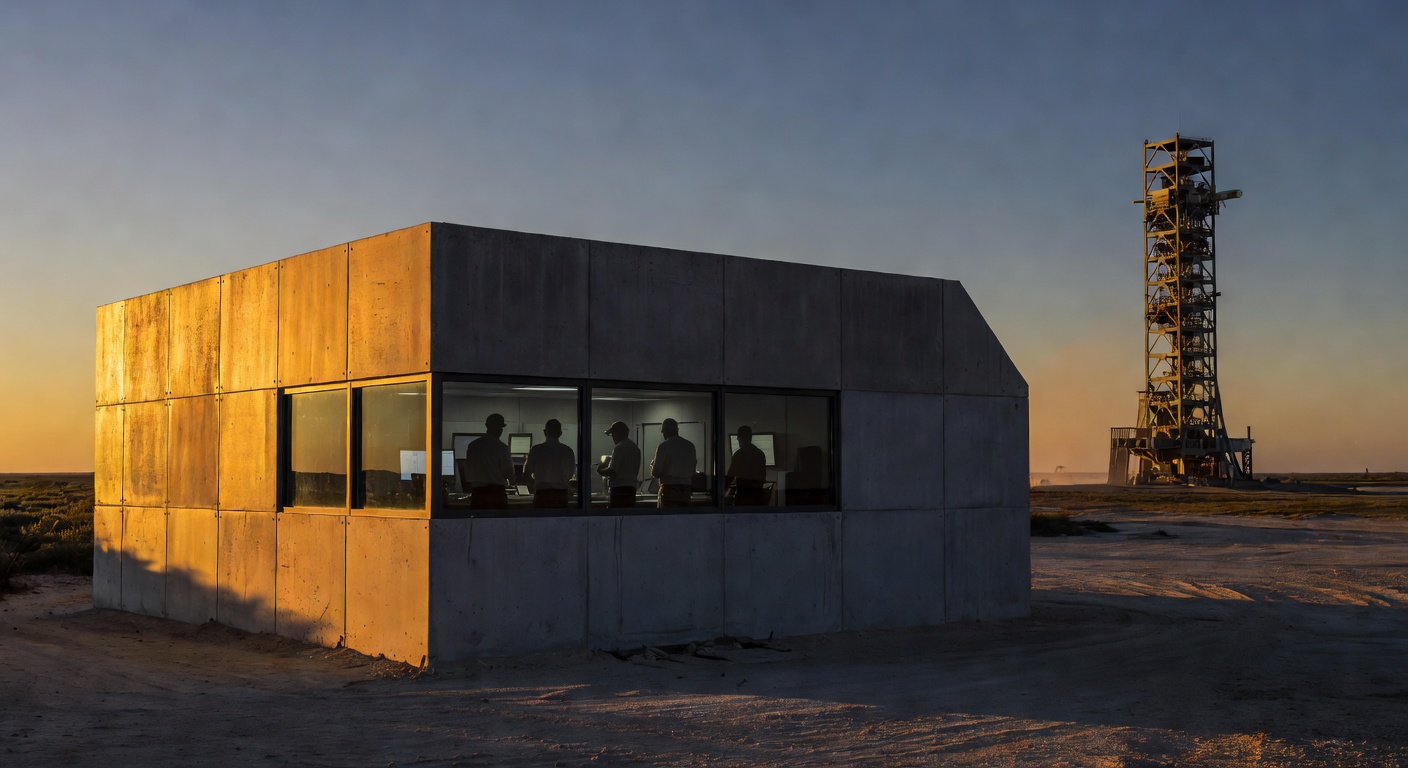
SpaceX's livestream of Flight 12 begins approximately 45 minutes before liftoff, at roughly 5:45 p.m. EDT (2145 GMT). NASASpaceflight, an independent media outlet, begins its own webcast at 3:30 p.m. EDT (1930 GMT), providing pre-launch commentary and pad coverage before the SpaceX feed goes live.
For those watching in person, there is no official SpaceX public viewing site. The recommended public viewing locations near Starbase are the Cameron County Amphitheater at Isla Blanca Park on South Padre Island and the waterfront area at Port Isabel. Both offer sightlines toward the launch mount. The road closure window covering the immediate Starbase area runs through May 21, meaning access to the vicinity of the pad itself is restricted.
SpaceX's published Flight 12 mission timeline labels the liftoff moment with a single phrase: "Excitement Guaranteed." A successful flight through splashdown would validate V3's core architecture and set the program on a path toward the orbital flights and refueling demonstrations NASA requires before Artemis 4. A partial success or anomaly would generate the data needed to inform Flight 13. The two camera-equipped dummy Starlinks are worth tracking in particular: real-time heat shield imagery transmitted during reentry would represent a new class of operational data for the Starship program, providing visual confirmation of tile behavior that ground radar and telemetry alone cannot deliver.
For space enthusiasts tracking the 2028 lunar landing, the practical question on May 21 is simple: does V3's 65-minute suborbital arc over the Indian Ocean produce clean telemetry, or does it surface an anomaly that adds another slip to a schedule that already has roughly 24 months of margin against orbital qualification, refueling demonstration, and catch-at-pad validation -- all required before crew can board for the moon.
Independent analyst commentary specifically on this announcement was not publicly available at publication time.
-- Zara Velez, Emerging Technology Editor
Sources: Space.com -- Starship Flight 12 launch timeline · SpaceX Flight 12 mission overview (official mission documentation)
More on Revuzia
JWST Finds Uranus Rings Hide Unknown Moons in Organic Dust
SpaceX launches Cygnus XL with 11,000 pounds of cargo to ISS
Soap Film Droplets Mimic Galaxy Mergers With Verified Gravitational Force Law