Thermo Fisher Deposits 5,500-Sample Parkinson's Protein Dataset Into Open RepositoryThermo Fisher Deposits 5,500-Sample Parkinson's Protein Dataset Into Open RepositoryThermo Fisher Deposits 5,500-Sample Parkinson's Protein Dataset Into Open RepositoryThermo Fisher Deposits 5,500-Sample Parkinson's Protein Dataset Into Open Repository
August 14, 2026
Thermo Fisher Scientific has completed a proteomic analysis of approximately 5,500 research samples from the Michael J. Fox Foundation's Parkinson's Precision Medicine Initiative (PPMI), run on its Olink Explore HT platform, and deposited the resulting dataset into PPMI's
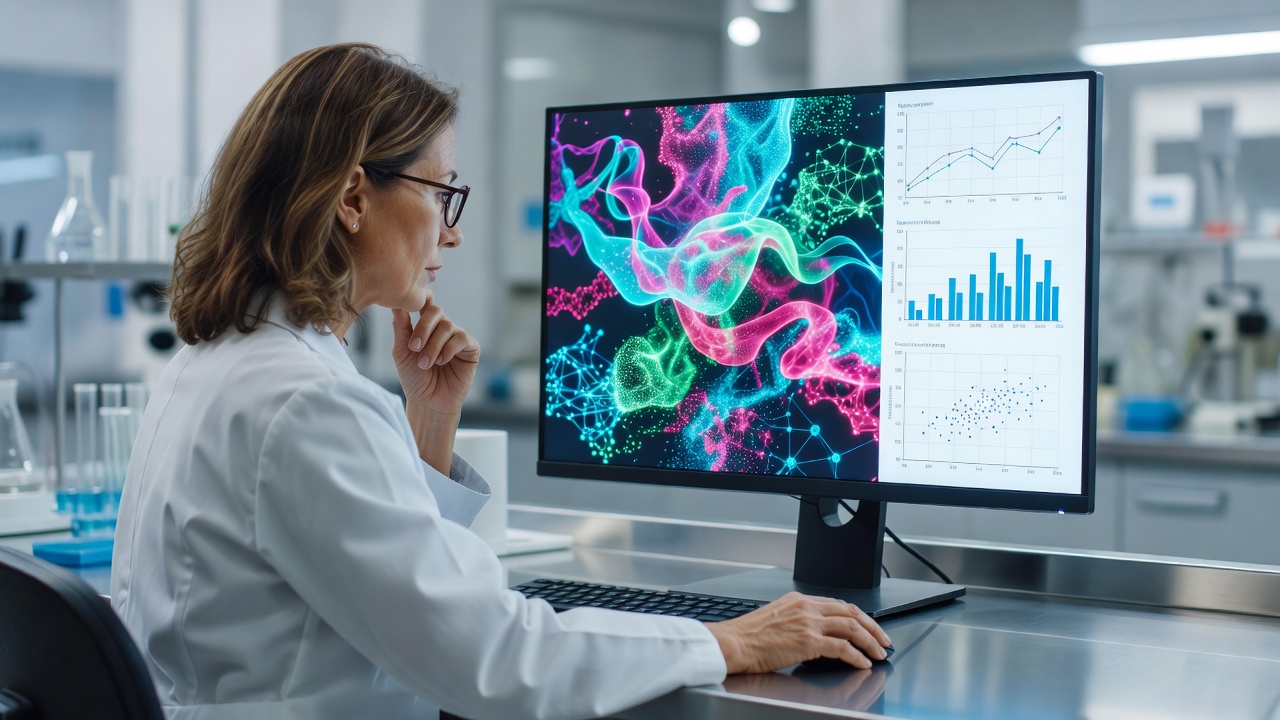
Thermo Fisher Scientific has completed a proteomic analysis of approximately 5,500 research samples from the Michael J. Fox Foundation's Parkinson's Precision Medicine Initiative (PPMI), run on its Olink Explore HT platform, and deposited the resulting dataset into PPMI's open-access repository. The harder problem was never generating the data: it is the unglamorous work of proving which of the thousands of protein signals the platform detects actually mean something in a body living with disease. For a condition still diagnosed largely by watching how a patient moves and shakes, that validation work could determine whether people get identified years before symptoms force the question.
What the Research Found
The core of the announcement is straightforward: Thermo Fisher Scientific completed an Olink Explore HT proteomic analysis of roughly 5,500 research samples drawn from PPMI, the landmark study sponsored by the Michael J. Fox Foundation (MJFF). The resulting protein-level data has already been deposited into PPMI's open-access data repository, meaning outside researchers can begin working with it now rather than waiting for a future publication cycle.
PPMI was built as a multi-layer study of Parkinson's biology, combining clinical exams, genetic sequencing, brain imaging, and other molecular data collected over time from the same participants. The new proteomic layer, generated through Thermo Fisher's Olink division, adds roughly 5,500 samples' worth of protein-expression data to that existing foundation, giving researchers another axis to cross-reference against the clinical and imaging records PPMI has already gathered. Proteins are the direct output of gene activity and cellular stress response, which means a protein signature can reflect what is happening in the body's biology in real time, in ways that genetic sequencing alone, which only shows inherited risk, cannot capture.

That timing matters. Parkinson's disease is still diagnosed and monitored primarily through clinical symptoms, even though research increasingly shows the disease involves multiple distinct biological pathways and patient subtypes, complexity that has made reliable biomarkers difficult to pin down. Depositing a large proteomic dataset into an already-established, heavily used repository gives the research community a faster route to test whether protein signals can fill that gap. PPMI's repository has already been downloaded by researchers more than 50 million times, so the new protein layer reaches an audience with a demonstrated track record of using open data, not one built and left dormant.
How the Science Works
The analysis was run on Olink Explore HT, a proteomic platform from Olink, the proteomics technology division that is now part of Thermo Fisher Scientific. Olink's platform relies on Proximity Extension Assay (PEA) technology (a method that uses paired antibodies tagged with DNA strands that only bind together and generate a detectable signal when both antibodies attach to the same target protein, allowing many proteins to be measured with high specificity from a small sample volume). That multiplexed design is what makes Explore HT useful for a biobank-scale study: it can screen thousands of proteins from a single small blood draw, rather than requiring a separate test for each protein of interest, which is what makes analyzing thousands of PPMI samples logistically realistic in the first place.
Thermo Fisher describes the PEA-based platform as scalable "from discovery through translation and population-scale proteogenomics" (studying proteins and genes together across large populations), language that reflects its intended use: not a one-off experiment, but a pipeline built to run thousands of samples and feed data into projects the size of PPMI. In practice, that scale is what lets proteomics start identifying patient subtypes, tracking how disease progresses over time, and surfacing biological pathways tied to inflammation, lysosomal function, and neuronal stress, all mechanisms implicated in Parkinson's but none of them visible from a clinical exam alone.
What It Means for Patients
An estimated 10 million people worldwide are living with Parkinson's disease, a number expected to keep climbing as populations age. For nearly all of them, diagnosis and disease monitoring still depend on a clinician watching for tremor, rigidity, and slowed movement, symptoms that typically appear only after significant underlying biological damage has already occurred.
Samantha Hutten, PhD, principal biomarker scientist in translational research at MJFF, connects the new dataset directly to that gap. "Parkinson's disease is incredibly complex, and understanding the biological changes that drive its onset and progression requires looking across many layers of biology. This is what the Foundation's global PPMI study was built to do. By expanding proteomic analyses within the study, including through partners like Olink, we're creating new opportunities to identify biomarkers and uncover pathways that may lead to earlier diagnosis, better disease monitoring, and more targeted therapeutic approaches for people living with Parkinson's disease." That quote frames the stakes precisely: proteomics is not being pursued as a replacement for clinical exams, but as a way to see biological changes that current symptom-based diagnosis simply cannot detect until much later in the disease process.
The practical promise is a shift from symptom-based diagnosis toward biology-based detection: a blood-based protein signature, if validated, could flag disease activity before a tremor is visible, track whether a treatment is working at the molecular level rather than waiting on a patient's self-reported symptoms, and help match patients to therapies aimed at the specific pathway driving their disease. None of that exists yet. It depends entirely on what researchers find once they start mining the newly deposited data.
Competitive Landscape
No directly comparable commercial peers or competing Parkinson's-focused proteomic biobank partnerships were publicly identifiable at publication time.
Independent analyst commentary specifically on this announcement was not publicly available at publication time.
The Road to Clinic
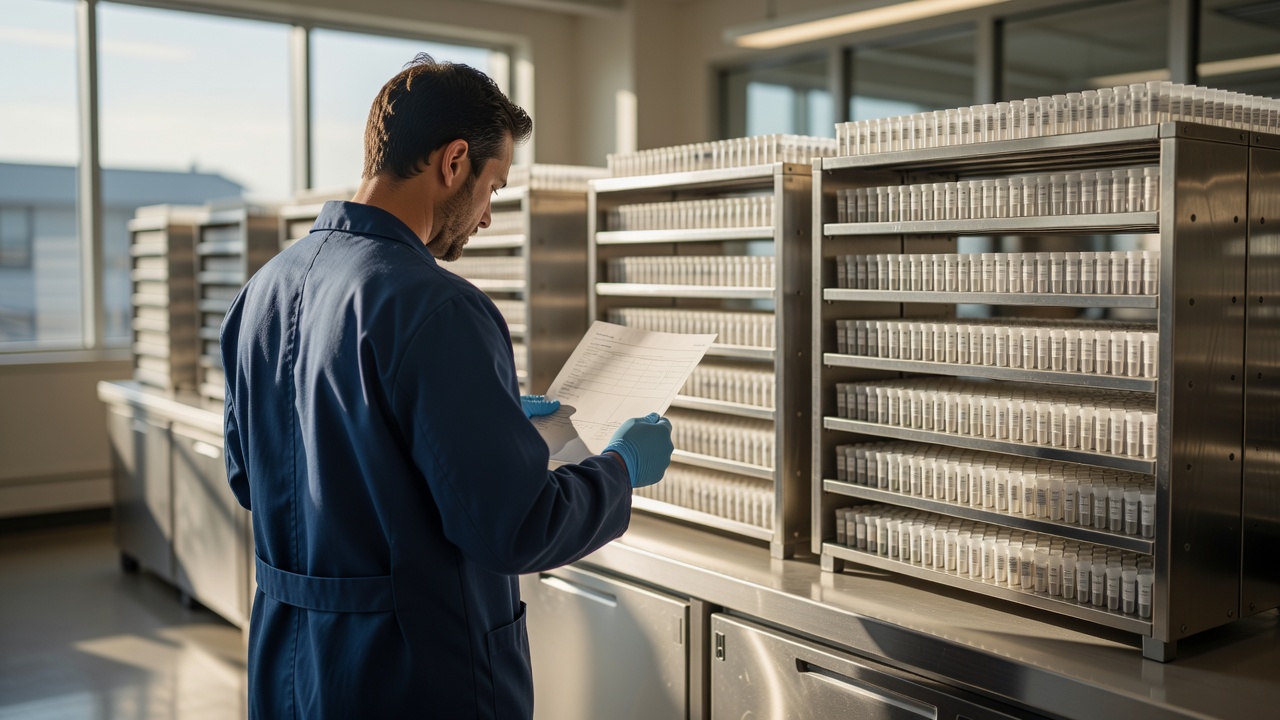
Releasing a proteomic dataset is the easy part. Turning it into something a neurologist can actually use is a separate, much longer process, and Thermo Fisher's own leadership is explicit about that gap. Yan Zhang, PhD, president of proteomic sciences at Thermo Fisher, frames the deposit as a starting line rather than a finish line: "Discovery is only the beginning in Parkinson's research. The next challenge is determining which molecular signals are reproducible, clinically meaningful, and useful for advancing Parkinson's precision medicine. Making these data available to the research community helps put that validation work into motion."
That validation process is where most proteomic biomarker efforts stall. A protein signal that correlates with disease in one sample set has to hold up across independent cohorts, different lab conditions, and diverse patient populations before it can support a diagnostic claim or guide a treatment decision. By combining the new Olink Explore HT protein data with PPMI's existing longitudinal clinical, genetic, and imaging records, researchers gain a built-in way to cross-check candidate signals against outcomes that were already being tracked, rather than starting a validation cohort from zero. That cross-referencing step is precisely what standalone biomarker studies typically lack: a large, pre-existing pool of participants whose clinical trajectories are already documented, which is what makes an established repository like PPMI valuable beyond just the new protein data itself.
What's Next
PPMI launched in 2010 under MJFF sponsorship and has since become one of the field's primary open-data resources: its data are available to researchers worldwide and have been downloaded more than 50 million times. The study was also recently renamed, from its prior title, to the Parkinson's Precision Medicine Initiative, a change meant to reflect a shift toward defining the disease by its underlying biology rather than by symptoms alone. The newly deposited proteomic layer is a direct extension of that shift.
What happens next is out of Thermo Fisher's and MJFF's hands in the sense that matters most: it depends on what independent labs do with open access to roughly 5,500 new proteomic profiles. Key open questions include:
- Which protein signals replicate across independent research groups rather than appearing in only one analysis
- Whether any candidate biomarkers correlate with the clinical, imaging, and genetic data PPMI has already collected on the same participants
- How quickly validated signals could move from research-use datasets toward a diagnostic or monitoring tool clinicians could actually order
None of those questions have public timelines attached yet. The dataset is available; the validation work is not.
The real story here is not that a company measured proteins in blood samples, it is that a 16-year-old open-data experiment keeps absorbing new kinds of biology without losing what made it useful in the first place: the ability for anyone to check the work. Whether that pays off in an actual Parkinson's biomarker is a question this announcement raises but does not answer.
For academic researchers working on neurodegenerative disease, the value is concrete: roughly 5,500 new protein profiles layered onto PPMI's existing clinical, genetic, and imaging records means new hypotheses can be tested against a well-characterized cohort without the years and grant funding a fresh sample-collection effort would require. A lab that already has access to PPMI's repository can, in principle, start cross-referencing protein signals against participant outcomes today, using data that took Thermo Fisher's high-throughput platform to generate at a scale no single academic lab could easily replicate.
-- Zara Velez, Emerging Technology Editor
Sources: Thermo Fisher Scientific and Michael J. Fox Foundation joint announcement | supporting proteomics research literature